Match the hobby to the season
A seasonal hobby works best when it leans into what the weather is already doing. In spring you have long evenings and soft ground; in summer you have daylight and water; in autumn you have harvest and falling light; in winter you have quiet, warmth, and time indoors.
Rather than forcing one hobby to survive all four seasons, keep a short rotation. Two or three active hobbies at a time is plenty, and switching one out each season keeps the rest of the year from feeling like a repeat.
Spring: start things growing
Spring suits hobbies that begin small and reward patience. The season is about starting, not finishing.
- Growing and tending: gardening, seed saving, bonsai, mushroom growing, and houseplant collecting.
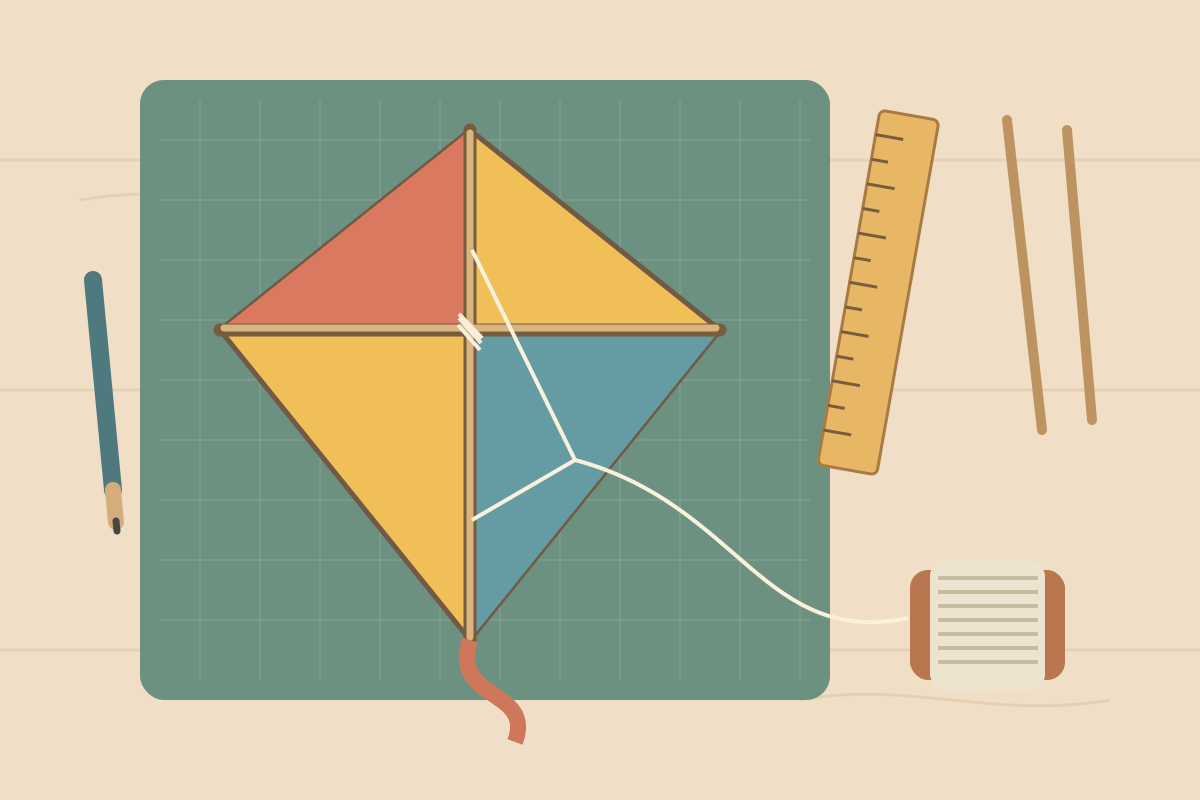
- Getting back outside: cycling, hiking, birdwatching, geocaching, kite flying, and archery.
- Light indoor work: flower pressing, journaling, watercolour, and planning the year’s bigger projects.
Summer: get outside and stay out
Summer is the season for hobbies that use daylight, water, and longer evenings. Choose things that are easy to pause when it gets hot and easy to resume at dusk.
- Water and open sky: kayaking, canoeing, swimming, surfing, sailing, stand-up paddleboarding, and fishing.
- Long daylight outings: backpacking, mountain biking, orienteering, photography, and astronomy on the warm nights.
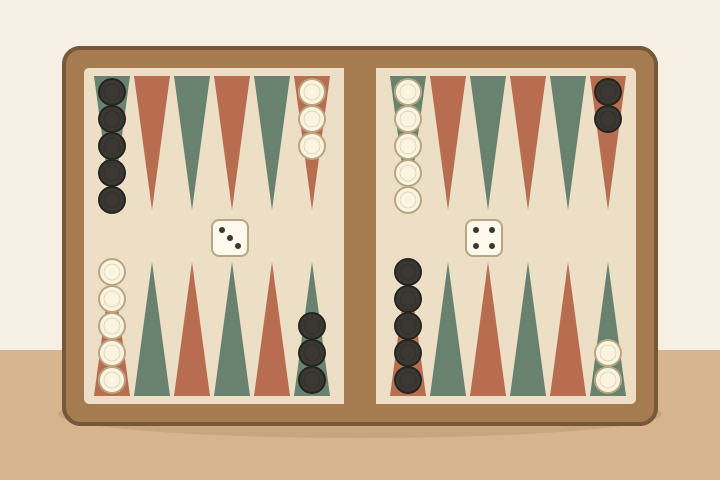
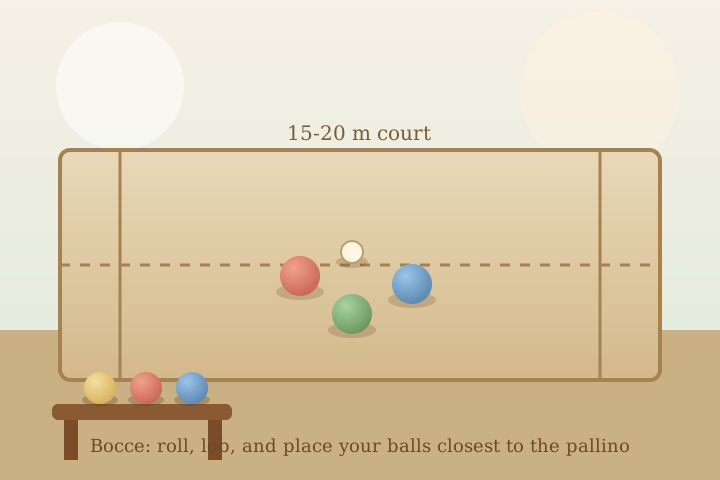
- Evening socials: croquet, bocce, disc golf, board games on the patio, and cooking outdoors.
Autumn: gather, preserve, and slow down
Autumn rewards hobbies that collect, store, and make use of what the season gives. The light gets shorter, so the best autumn hobbies are the ones that feel good at dusk.
- Harvest and preserve: foraging, canning and preserving, fermenting, sourdough, and cheese making.
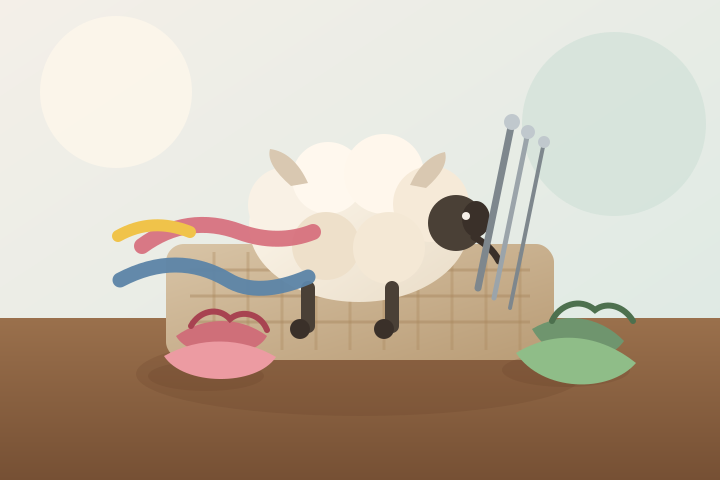
- Cozy making: knitting, crochet, candle making, soap making, and pottery.
- Slower reflection: reading, journaling, genealogy, and crossword puzzles as the evenings close in.
Winter: make, plan, and stay warm
Winter is the season for hobbies that live indoors, build skill slowly, and keep your hands busy. It is also the best time to plan the projects you will want to take outside in spring.
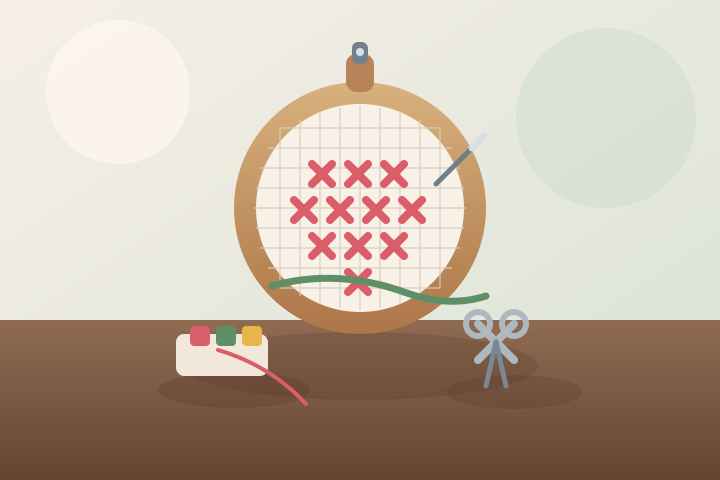
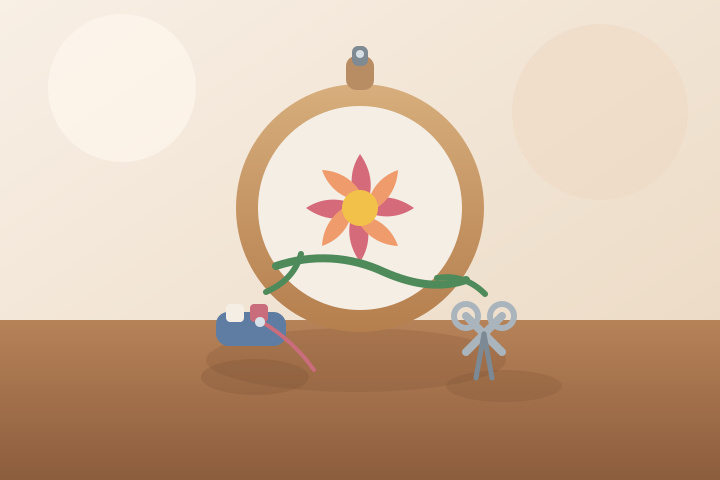
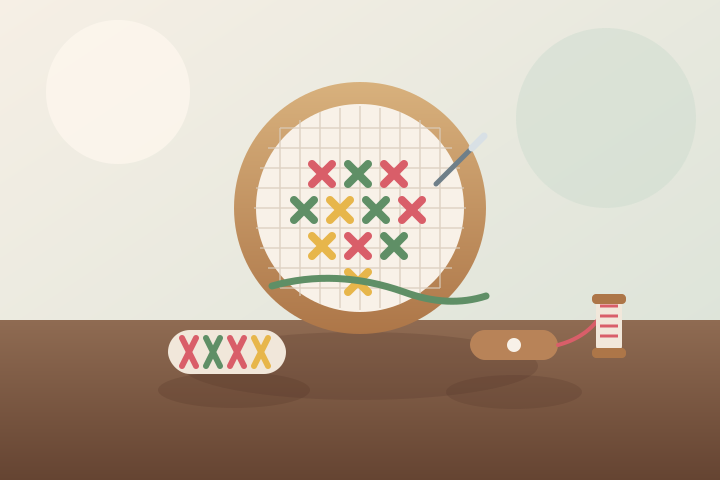
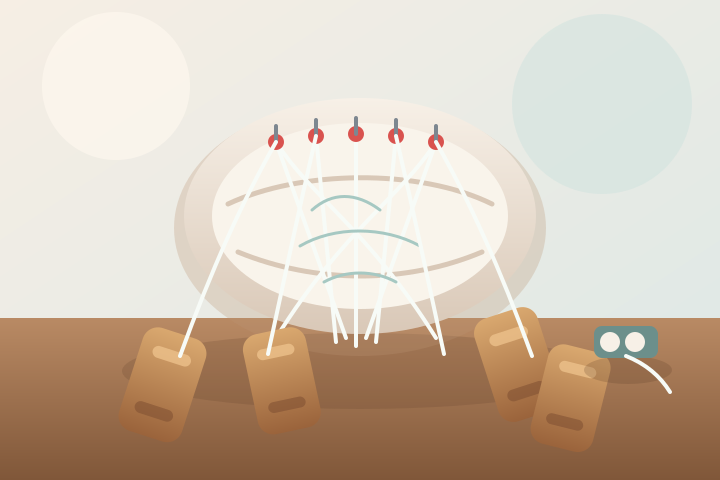
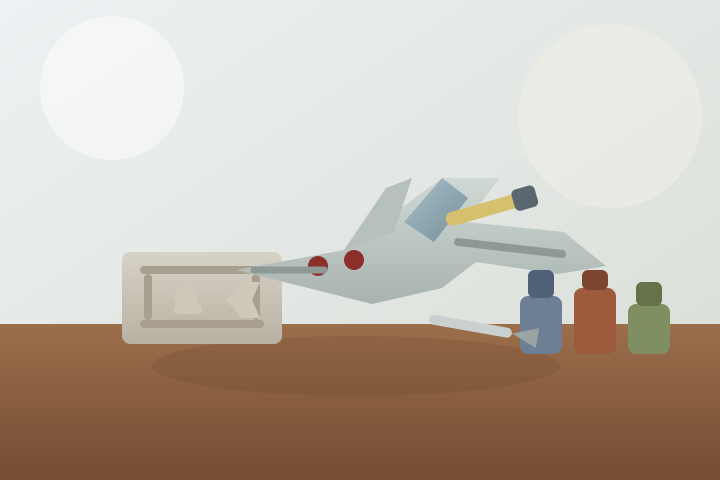
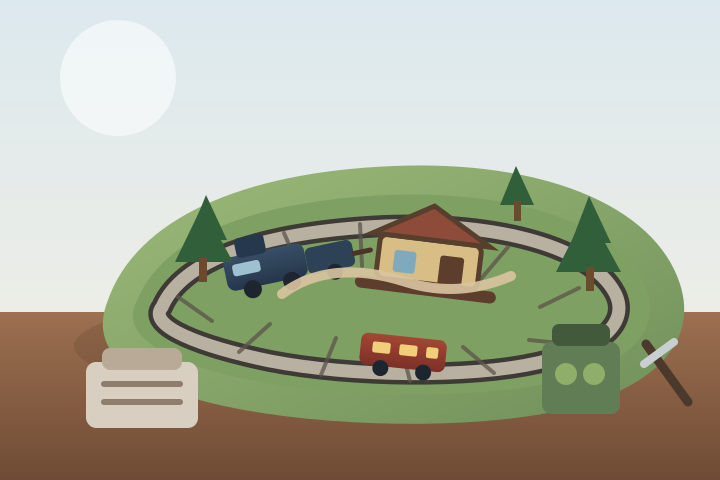
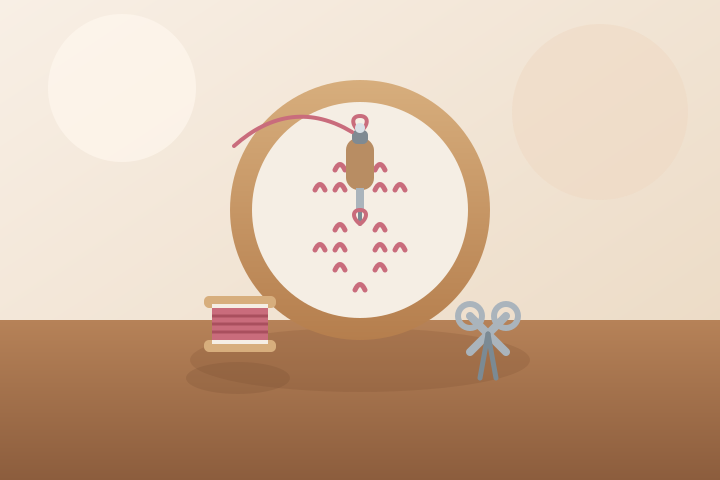
- Warm-room making: woodworking, leatherworking, model making, cross-stitch, macramé, and bookbinding.
- Skill-building: guitar, piano, language learning, chess, and creative writing.
- Cold-weather movement: skiing, snowboarding, ice skating, and curling, if your area gets the snow.
Keep the rotation gentle
A seasonal rotation only works if it stays low-pressure. When a season turns, retire one hobby rather than starting three new ones. Store the supplies you are putting away, note where you left off, and keep the next season’s first step small: a short walk, a single recipe, one pattern, one class.
If a hobby works in every season, keep it as your anchor and rotate the others around it. The goal is a year that feels varied, not a schedule that feels full.







.jpg?width=900)





































.jpg?width=900)



















.jpg?width=900)

.jpg?width=900)















.jpg?width=900)










.jpg?width=900)







.jpg?width=900)


.jpg?width=900)







.jpg?width=900)




.jpg?width=900)
.jpg?width=900)








.jpg?width=900)



.jpeg?width=900)


.jpg?width=900)

.jpg?width=900)

































.jpg?width=900)











.jpg?width=900)




.jpg?width=900)













.jpeg?width=900)