Who It Suits
Dollhouse miniatures is the craft of making tiny rooms, furniture, and objects to scale — usually 1:12, where one inch on the model equals one foot in real life — and arranging them into scenes that feel lived in. As a beginner you will spend most of your time on a few core actions: measuring and cutting paper, card, balsa wood, or fabric; gluing small parts together; painting or finishing surfaces; and styling the room with tiny accessories. The finished result is a small, tangible scene you can display, and the appeal is that progress is visible and cumulative: each piece of furniture or room you finish teaches you more, and the scene keeps improving every time you return to it. The honest constraints are that the work is fiddly and slow, small parts are easy to lose, and the hobby has a modest ongoing cost in materials.
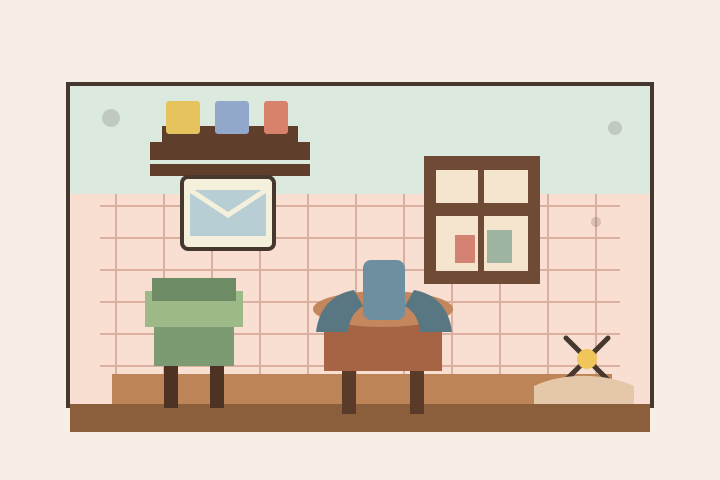
Dollhouse miniatures suits people who enjoy small details, interior design, craft problem solving, and making scenes feel lived in. It works especially well if you like careful handwork, collecting tiny objects, or telling stories through rooms, furniture, and accessories.
Getting Started
Start with one small room box or single furniture kit rather than a full house. A compact scene lets you learn scale, measuring, gluing, painting, and layout choices without needing months of work before anything feels finished. Three decisions cover most of the buying:
- Scale — the ratio between the miniature and the real thing. 1:12 is the standard dollhouse scale (one inch equals one foot), and most kits, wallpaper, and ready-made furniture are made for it. Smaller scales such as 1:24 and 1:48 are easier to store but fiddlier to work in; larger scales such as 1:6 suit bigger houses but take up much more space.
- Subject — a period room (Victorian parlour, 1950s kitchen) or a modern room. Period rooms give you reference material and a strong collecting community; modern rooms are easier to source materials for.
- Kit or scratch — a pre-cut room box or furniture kit is the forgiving first route; scratchbuilding from card, balsa, or scrap wood gives more control but demands more measuring and cutting.
Basic Gear
Essential:
- A room box, furniture kit, or sturdy small box to build in.
- A ruler, pencil, and cutting mat.
- A craft knife with fresh blades and small scissors.
- PVA (white) glue — low odour and forgiving on paper, card, and wood.
- Tweezers for placing tiny parts.
- A few small brushes and water-based acrylic paints.
Optional at first:
- Fine sandpaper or sanding sticks for smoothing wood.
- Small clips or clamps to hold joints while glue dries.
- A magnifier and a strong task light.
- Wallpaper, fabric scraps, and thin wood (balsa or basswood) for scratchbuilding.
- LED micro-lights for lighting the room.
- A 3D printer for custom accessories, if one is available to you.
First Session
Choose one scale — 1:12 if you are not sure — and one room idea, then make a floor and one wall finish before adding objects. Keep the first scene simple: a chair, table, rug, shelf, or framed picture will teach more than trying to fill every corner immediately. Dry fit pieces before gluing, use only a small amount of glue on tiny joins, and step back often to check proportions against something you know the size of.
First Month
Use the first month to finish one small scene and learn which parts you enjoy most. A few terms will do most of the work:
- Scale — the ratio between the miniature and the real object; at 1:12, one inch on the model equals one foot in real life.
- Room box — a single pre-built or self-built room, the standard unit of a dollhouse project.
- Scratchbuilding — making miniature parts from raw materials such as card, balsa, or fabric rather than buying them ready-made.
- Styling — arranging furniture, accessories, and “lived-in” details so the room feels occupied.
- Wash — a thin, diluted paint used to add shading and age to a finished piece.
Try making a few accessories from everyday materials (matchsticks, cotton buds, fabric scraps, repurposed packaging), painting a kit piece, adding fabric or wallpaper, and taking photos of the finished setup so you can spot scale issues.
Costs
Dollhouse miniatures can begin with inexpensive paper, cardboard, scrap fabric, craft sticks, and repurposed packaging, and a basic tool set — knife, cutting mat, glue, brushes, and a few water-based paints — is a modest one-off cost. A simple room box or furniture kit is usually the cheapest way in, but prices vary widely by region, retailer, and whether pieces are mass-produced or handmade, so check current listings before budgeting. Costs rise with precision tools, hardwood kits, lighting, speciality wallpaper, resin pieces, collector furniture, and large houses, so it helps to build around one scene at a time.
Lower-cost routes exist: second-hand kits and furniture are common at miniature shows and online swaps, and many local miniature societies let you try the hobby, borrow tools, or buy from members before you spend much.
Space Needed
A desk or dining table is enough for small projects, but organisation matters because parts are easy to lose. Trays, shallow boxes, labelled bags, and a clear cutting area make it possible to pack a project away between sessions. Finished scenes need a shelf or display spot, and a growing collection of rooms takes more room than a single build.
Solo or Social
Most miniature building is quiet solo work, but the hobby has a strong sharing culture through clubs, shows, workshops, online groups, swaps, and photo challenges. In the UK, the Dolls’ House Society has long brought together makers and collectors of doll’s houses, and regional miniature societies in the US and Canada, such as the Miniature Society of Cincinnati and the Miniature Enthusiasts of Toronto, run meetings, shows, and judged competitions. It can also be collaborative if one person builds furniture while another paints, sews, or styles the scene.
Common Mistakes
- Starting with a full house before practising on a small scene.
- Mixing scales without meaning to — furniture from two different scales looks wrong even when each piece is fine.
- Gluing before dry fitting, which turns a small misalignment into a repair job.
- Using too much glue on tiny joins.
- Buying lots of miniature objects before deciding on a room style.
- Forgetting that walls, floors, lighting, and empty space are part of the scene.
Safety / Accessibility
Small parts are the main safety concern. Finished miniatures and their loose pieces are a choking hazard for young children: the US Consumer Product Safety Commission defines a small part as anything that fits entirely inside a cylinder approximating the throat of a child under three, and children’s products intended for under-threes that contain small parts are banned. Keep parts, blades, and glue away from children under three and from pets, and treat the hobby as a family activity for older children with supervision.
Sharp blades are the other main concern. Use a cutting mat, cut away from your hand, and dispose of used blades safely. PVA glue and water-based acrylic paints are the lower-hazard route for everyday work; solvent-based adhesives and oil or enamel paints release fumes, so use them only in a well-ventilated area.
Fine handwork can be tiring, so consider a magnifier, strong task lighting, larger handled tools, pre-cut kits, good seated posture, and regular breaks.
Where It Can Go
Dollhouse miniatures can lead toward room boxes, historical interiors, miniature food, model furniture, lighting, landscaping, dioramas, stop motion sets, 3D printed accessories, or museum-quality scale displays. The hobby spans a wide range: casual makers build scenes for their own shelf, while the competitive end includes judged competitions at society shows, and the collectible end includes period and handmade furniture that holds its value.
References
Last reviewed: 17 August 2026.
Official safety sources:
- CPSC: Small Parts Ban and Choking Hazard Labeling for the definition of a small part and the rules for products intended for children under three.
Specialist guides:
- Ty Twt Dolls’ House and Toy Museum in Newport, Pembrokeshire, a public museum of doll’s houses from every period from 1840 to the present, each furnished with items from the date of the house.
Community resources (optional):
- Miniature Society of Cincinnati for the standard definition of miniature scale (1:12 and smaller, “dollhouse scale”) and a regional maker community.
- Miniature Enthusiasts of Toronto for a maker community working in scales from 1:12 down to 1:144.
Related Hobbies
Model making, miniature painting, woodworking, sewing, painting, ceramics, printmaking, scrapbooking, and bookbinding all connect naturally with dollhouse miniatures because they combine materials, scale, colour, and detail.