.jpg?width=900)
.jpg)
Beginner Fit Snapshot
Backpacking means overnight hiking where you carry your shelter, sleep system, food, water treatment, clothing layers, and safety gear on your back. A typical first trip is a short, well-marked route of a few miles with one night at a legal campsite: you walk in with a loaded pack, set up camp before dark, cook a simple meal, sleep, and walk out the next day. The appeal is self-sufficiency and quiet time in the landscape; the constraints are the weight you carry, the weather you are exposed to, and the planning that has to be right before you leave. This page is about wilderness and trail backpacking, not travel backpacking with hostels, cities, trains, and urban luggage.
| Fit question | Practical answer |
|---|---|
| Best fit | People who already like day hiking, camping, maps, weather checks, simple routines, and being outside after dark. |
| Fitness level | Moderate. You do not need to be fast, but you should be able to walk several miles on uneven ground while carrying a loaded pack. |
| Cost to start | About $80-$250 if you borrow or rent major gear, $500-$1,000 for a careful budget kit, and $1,200-$2,500+ for lighter buy-once gear. |
| Time commitment | A first overnight usually needs 2-5 hours of planning and packing, a half-day gear practice, then a 24-36 hour trip. |
| Gear burden | High compared with hiking. Shelter, sleep gear, food, water, layers, first aid, and emergency items all have to fit and carry comfortably. |
| Space needs | You need legal trails and campsites plus home space to dry a tent, sleeping bag, pad, boots, and pack after wet trips. |
| First-trip difficulty | Keep it easy: short distance, modest elevation, reliable water, simple navigation, legal campsite, good weather, and a bailout option. |
| Avoid for now if | You dislike hiking, cannot carry weight safely, need guaranteed comfort or hygiene, ignore weather changes, or cannot follow land-access and fire rules. |
Who It Suits
Backpacking suits people who enjoy hiking, camping, route planning, and being self-sufficient for a night or more. It rewards patience, practical preparation, and a willingness to keep plans realistic when weather, terrain, water, or fatigue changes the trip.
Getting Started
Start with an easy overnight route close to home, ideally on familiar trails or with an experienced backpacker. Your first goal is not distance; it is learning how your loaded pack feels, how long camp takes to set up, how much food and water you actually use, and what systems need adjusting before a harder trip.
Choose a managed backcountry site, walk-in campsite, shelter, or short permitted wild camp where legal. Check permits, campsite rules, water sources, weather, daylight, fire restrictions, wildlife food-storage rules, and emergency exit options before you go.
Key Terms
Route guides, gear reviews, and trailheads use a small vocabulary. In plain English:
| Term | Plain-English meaning |
|---|---|
| Base weight | The weight of your pack without food, water, or fuel. It is the number gear reviews compare, and the number you can reduce by choosing lighter gear. |
| Trail weight | Base weight plus food, water, and fuel for the trip — the weight your body actually carries. |
| Bailout | A planned, easier way out of the route: a road crossing, a shortcut back to a trailhead, or a point where a ranger or shuttle can reach you. |
| Three-season tent | A tent built for spring, summer, and fall weather — rain and wind, not heavy snow. |
| R-value | A sleeping pad’s insulation rating. Higher numbers resist heat loss to cold ground; matching the pad to your expected overnight low matters as much as the sleeping bag. |
| Cold soak | Preparing food with hot or warm water and no stove, letting it sit until ready. Useful when fires or stoves are restricted. |
| Bear canister | A hard, odor-proof container required in some areas to keep food from attracting bears and rodents. |
| Ursack-style bag | A lightweight odor-resistant food bag used where land managers approve it as an alternative to a hard canister. |
| Cathole | A small toilet hole dug 6–8 inches deep and at least 200 feet from water, camp, and trails, then covered after use, per NPS Leave No Trace guidance. |
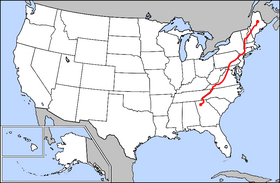
| Thru-hiking | Hiking a long trail (such as the Appalachian Trail) end to end over weeks or months, resupplying food and gear from towns along the way. |
First Trip Planner
Use this table before booking permits or buying gear. If several rows look uncertain, choose an easier route or go with a more experienced group.
| Planning factor | Beginner target | Why it matters |
|---|---|---|
| Route length | 3-7 miles total for the overnight, or clearly less than your usual day-hike distance. | A loaded pack makes familiar distances slower and more tiring. |
| Elevation gain | A few hundred feet is plenty; stay well below your normal unloaded hiking limit. | Climbing with weight exposes pack fit, footwear, pacing, and knee issues quickly. |
| Terrain | Maintained trail, obvious junctions, no scrambling, no exposed ridges, no difficult river crossings. | Navigation and safety decisions are easier when the walking is simple. |
| Water reliability | A confirmed lake, large stream, tap, or ranger-verified source near camp. | Small creeks and springs can dry up; all backcountry water still needs treatment. |
| Legal campsite type | Designated backcountry site, walk-in campground, hut, shelter, or legal dispersed camp zone. | “Looks campable” is not the same as legal, durable, or safe. |
| Permit checks | Confirm permits, quotas, parking passes, fire rules, group-size limits, and dog rules. | Popular areas can require advance permits or ban camping outside marked sites. |
| Daylight | Reach camp at least 2 hours before sunset. | Beginners need daylight for tent setup, water collection, cooking, and problem solving. |
| Bailout options | A road crossing, loop shortcut, ranger station, nearby campground, or clear turnaround point. | If weather, injury, heat, or pack pain appears, you need an easier exit than “keep going.” |
| Weather window | Mild overnight low, low storm risk, manageable wind, and no extreme heat, smoke, flood, or lightning forecast. | Bad weather magnifies every beginner mistake. Canceling is a valid safety decision. |
Basic Gear
Backpacking gear is expensive because it has to be light enough to carry and protective enough for weather. Rent or borrow bulky items first where possible, then buy the pieces that must fit your body well.
| Item | Borrow/rent first | Budget starter | Buy-once essentials | Optional upgrades |
|---|---|---|---|---|
| Pack | Borrow a 50-65L pack only if it fits your torso and hips. | $100-$180 used or entry-level fitted pack. | $180-$350 comfortable pack with good hip belt, rain cover or liner, and enough volume. | Ultralight framed pack after you know your base weight. |
| Tent or shelter | Rent or share a two-person backpacking tent. | $120-$250 entry backpacking tent. | $250-$500 lighter three-season tent or durable tarp setup you can pitch confidently. | Trekking-pole tent, footprint, stronger stakes, bug net, or bivy for specific routes. |
| Sleeping bag/quilt | Rent if overnight lows are mild and the rental rating is appropriate. | $80-$180 synthetic bag. | $180-$400 bag or quilt rated below expected low temperatures. | Down bag, liner, dry bag, or colder-season bag. |
| Sleeping pad | Borrow if it is not leaking and has enough insulation for conditions. | $35-$100 foam or basic inflatable pad. | $100-$220 insulated pad with known R-value and repair kit. | Pillow, sit pad, or warmer winter pad. |
| Stove and fuel | Share a stove in a group. | $25-$70 canister stove plus fuel. | $70-$160 reliable stove, lighter, backup ignition, and suitable pot. | Wider pot, windscreen only where safe for that stove, or cold-soak kit for no-cook trips. |
| Water treatment | Borrow a filter or carry chemical tablets as backup. | $15-$40 tablets, drops, or squeeze filter. | $40-$120 filter or purifier matched to local water risks, plus backup tablets. | Gravity filter for groups, pre-filter, or extra bags. |
| Footwear | Do not borrow if fit is poor. Use broken-in trail shoes or boots. | $80-$160 trail runners or light hiking boots plus good socks. | $140-$250 footwear that fits with loaded-pack walking and expected terrain. | Gaiters, camp sandals, or waterproof socks for specific conditions. |
| Rain layer | Borrow a real waterproof shell if the forecast is uncertain. | $50-$120 rain jacket. | $120-$250 breathable shell that fits over layers. | Rain pants, pack cover, or dedicated wet-weather gloves. |
| Headlamp | Borrow only if batteries are fresh and it is bright enough. | $20-$50 headlamp. | $40-$90 headlamp with lock mode and spare batteries or battery bank. | Tiny backup light. |
| First aid | Build a small personal kit even when the group has one. | $15-$40 blister care, bandages, meds, tape, gloves. | $40-$80 kit tailored to your medical needs and group size. | Wilderness first aid course or satellite messenger for remote trips. |
| Repair kit | Share group items but carry personal fixes. | $10-$25 duct tape, needle, thread, safety pins, cord, pad patch. | $25-$60 kit matched to tent, pad, stove, and footwear. | Spare buckles, pole sleeve, stronger tape, zip ties. |
| Food storage | Follow local rules; do not guess. | $10-$30 odor-resistant bags or hanging cord where legal and effective. | $70-$120 bear canister where required or recommended. | Ursack-style bag where approved, rodent-proof sack, or group canister. |
The safest buying order is footwear and socks, rain layer, headlamp, water treatment, then fitted pack and sleep system. Delay expensive ultralight upgrades until after your first gear audit.
Packable Checklist
Print this or copy it into a notes app. Items marked safety-critical should not be skipped just because the forecast looks good. Items marked shareable can be split by a group, but confirm who carries each one before leaving the trailhead.
Sleep and Shelter
- [ ] Tent, tarp, shelter reservation, or legal hut booking safety-critical
- [ ] Stakes, guylines, groundsheet if needed, and repair sleeve shareable
- [ ] Sleeping bag or quilt rated for the expected overnight low safety-critical
- [ ] Sleeping pad with enough insulation safety-critical
- [ ] Dry bag or pack liner for sleep gear safety-critical
- [ ] Small pillow or spare-clothes pillow
Clothing
- [ ] Wicking base layer or hiking shirt
- [ ] Warm midlayer for camp safety-critical
- [ ] Waterproof rain jacket safety-critical
- [ ] Extra socks and dry sleep socks
- [ ] Hat, gloves, sun hat, sunglasses, and sunscreen as conditions require
- [ ] No-cotton sleep layer in cold or wet conditions
Food and Cooking
- [ ] Planned meals, snacks, and one extra no-cook meal safety-critical
- [ ] Stove, fuel, lighter, and backup ignition shareable
- [ ] Pot, spoon, mug or bowl, and small cleaning cloth shareable
- [ ] Food storage that meets local wildlife rules safety-critical, shareable
- [ ] Trash bag for all packaging and leftovers
Water
- [ ] Bottles or reservoir with enough capacity between sources safety-critical
- [ ] Filter, purifier, or chemical treatment safety-critical, shareable
- [ ] Backup tablets or drops safety-critical
- [ ] Electrolytes if heat, heavy sweating, or long climbs are likely
Navigation
- [ ] Physical map or printed route safety-critical
- [ ] Compass and the ability to use it safety-critical
- [ ] Downloaded offline map or GPS route
- [ ] Battery bank and charging cable
- [ ] Written itinerary left with an emergency contact safety-critical
Hygiene
- [ ] Toilet kit: trowel, toilet paper, hand sanitizer, and waste bags where required safety-critical
- [ ] Toothbrush and small toothpaste
- [ ] Menstrual, incontinence, or personal-care supplies plus pack-out bags
- [ ] Biodegradable soap used well away from water, if needed
Emergency and Repair
- [ ] Headlamp plus spare batteries or charge safety-critical
- [ ] First aid kit with blister care and personal medication safety-critical
- [ ] Emergency shelter or space blanket even with a tent safety-critical
- [ ] Knife or multitool shareable
- [ ] Duct tape, pad patch, cord, safety pins, needle and thread shareable
- [ ] Whistle, fire starter where legal, and emergency contact information safety-critical
Optional Comfort
- [ ] Trekking poles
- [ ] Sit pad
- [ ] Camp shoes
- [ ] Insect head net or repellent
- [ ] Book, journal, camera, or small binoculars
- [ ] Ear plugs and eye mask for shared shelters
First Session
Your first session should happen before the first overnight. Pack the full kit at home, pitch the shelter, inflate the pad, test the stove outside, treat water, and walk a short local loop with the loaded pack. Adjust straps and remove non-essential comfort items before the real trip.
Example First Trip
A realistic first overnight, sized to the beginner route filters (under about 7 miles, 300–400 feet of elevation gain for someone who does not hike regularly, and no more than about six hours of walking plus a buffer):
- Route: a 4-mile out-and-back on a maintained trail to a designated walk-in campsite, about 300 feet of climbing each way.
- Timing: leave the trailhead by 10 a.m., walk with breaks, and reach camp by early afternoon — well ahead of the 2-hours-before-sunset target.
- Gear: borrowed or rented tent, sleeping bag, pad, and pack; your own broken-in footwear, rain layer, headlamp, water treatment, and a small first aid kit.
- Food: breakfast at home, lunch on the trail, a simple stove dinner, and one extra no-cook meal.
- Plan: itinerary and expected return time left with a contact, physical map in the pack, water treated before drinking, food stored per local rules.
The goal of this trip is a complete, uneventful loop: you arrive early, sleep reasonably well, and return with a list of what to adjust. Distance and scenery come later.
First Month
Use a staged 30-day plan instead of jumping from shopping to a remote camp.
| Stage | Time block | What to do | Readiness checkpoint |
|---|---|---|---|
| Day 1-3: route and rules | 1-2 hours | Pick an easy legal route, check permits, campsite rules, water, fire restrictions, weather norms, and bailout options. | You can explain where you will sleep, where water comes from, and how you would leave early. |
| Day 4-7: loaded local walk | 60-90 minutes | Walk with 15-25 lb first, then closer to trip weight if comfortable. Adjust hip belt, shoulder straps, and footwear. | No sharp pain, hot spots, numbness, or pack sway that you cannot correct. |
| Day 8-10: shelter drill | 45-60 minutes | Pitch tent or tarp in daylight, then pack it away. Repeat once with gloves or low light if conditions may be cold. | You can set shelter up without instructions blowing away. |
| Day 11-14: stove and water practice | 45 minutes | Boil water outside, measure fuel use, test filter flow, and practice safe dish cleanup away from water sources. | You know how dinner and breakfast will work without improvising at camp. |
| Day 15-18: pack shakedown | 60 minutes | Lay everything out, remove duplicates, mark shared gear, waterproof critical items, and weigh the loaded pack. | You know what each item is for and who carries shared shelter, stove, pot, filter, and repair items. |
| Day 19-24: short overnight | 24-36 hours | Do the easiest legal route that still feels like backpacking. Arrive at camp early and keep meals simple. | You return without injuries, major rule confusion, or critical missing gear. |
| Day 25-27: post-trip audit | 30-60 minutes | Dry everything, note what was unused, what failed, what rubbed, what food was left, and what safety margins felt thin. | You have a revised packing list, not just a shopping list. |
| Day 28-30: second-trip plan | 1 hour | Add only one challenge: a little more distance, elevation, colder weather, or remoteness. | You can name the single new difficulty and how you will manage it. |
Costs
Backpacking can be expensive if you buy lightweight gear all at once. Borrowing, renting, buying second-hand, and starting with short fair-weather trips can reduce the first cost.
| Starter path | Typical first spend | What it includes | Tradeoff |
|---|---|---|---|
| Rental or borrowed overnight | $80-$250 plus food, transport, permits, and consumables. | Rented or borrowed tent, pack, sleeping bag, pad, and stove; personal footwear, socks, rain layer, headlamp, water treatment, and first aid. | Best for testing the hobby, but rental fit and availability vary. |
| Low starter budget | $500-$1,000. | Entry-level pack, tent, synthetic sleep system, pad, stove, filter, rain shell, headlamp, basic repair and first aid. | Heavier and bulkier, but workable for mild three-season trips. |
| Medium starter budget | $1,000-$1,800. | Better fitted pack, lighter tent or shared shelter, warmer sleep system, insulated pad, reliable filter, stronger rainwear. | Good long-term value if you already know you like overnight hiking. |
| High starter budget | $1,800-$3,500+. | Lighter shelter, down bag or quilt, premium pad, refined clothing system, bear canister if needed, satellite messenger for remote trips. | Easier carrying, but costly mistakes hurt if bought before real experience. |
Hidden costs matter: permits, campsite fees, parking passes, transport, fuel canisters, trail food, water-treatment refills, socks, blister care, sunscreen, insect repellent, repair supplies, map printing, laundry, gear storage bins, and replacing items that fail or do not fit. Budget $20-$80 per short trip for food, fuel, fees, and travel even after the main kit is bought.
Space Needed
Backpacking needs legal trails and overnight sites, plus space at home to dry, clean, and store gear. Wet tents, sleeping bags, mats, boots, and packs should be dried fully before storage.
Solo or Social
Backpacking can be solo, social, or club-based. Beginners often learn faster with a small group because navigation, safety decisions, campsite setup, and shared gear are easier together. Solo trips are best after building reliable judgement on shorter outings.
Meaningful next steps include local hiking clubs, the hiking groups of national outdoor organizations (such as the Sierra Club, the Appalachian Mountain Club, and The Mountaineers), guided overnight trips, and the free Leave No Trace 101 online course before your first trip. A wilderness first aid course is a sensible upgrade before remote or solo trips.
Visual Examples



Common Mistakes
- Carrying too much weight on the first trip.
- Planning a route that is too long for a loaded pack.
- Ignoring water availability, treatment, or campsite rules.
- Testing new boots, packs, or shelter systems on a serious route.
- Leaving camp setup, cooking, or navigation until after dark.
- Treating social media mileage, ultralight base weights, or thru-hiker routines as beginner targets.
- Forgetting that food storage and fire rules are local safety rules, not optional preferences.
Safety / Accessibility
Weather, cold, heat, dehydration, injury, wildlife, fire restrictions, and getting lost are the main concerns. Tell someone your route and return time, carry navigation and lighting, know how to treat water, and choose trips that match your body, experience, and support needs. The NPS Ten Essentials is the standard checklist framework for the safety items on this page, and the Leave No Trace Seven Principles cover the campsite, waste, fire, and wildlife rules. Shorter routes, managed backcountry sites, adaptive outdoor groups, shared loads, and lighter rented gear can make the hobby more accessible.
Safety Decision Guide
| Decision point | Beginner rule |
|---|---|
| Turn-back triggers | Turn back for thunder, rising water, dangerous heat, smoke, severe wind, injury, repeated navigation uncertainty, late arrival, or a pack/foot problem that worsens after adjustment. |
| Weather checks | Check forecast, overnight low, wind, rain, lightning, heat index, fire danger, smoke, and flood risk before leaving and again at the trailhead if service allows. |
| Fire restrictions | Assume campfires are banned until local land managers say otherwise. Use a stove only where allowed and know current restrictions. |
| Water treatment | Treat all backcountry water unless an official source is marked potable. Carry backup tablets or drops. |
| Food storage | Follow local bear, rodent, and canister rules. Never sleep with food, scented items, trash, or cookware in the tent. |
| Wildlife distance | Observe wildlife from a distance, never feed animals, and control pets only where pets are legal. Learn local bear, snake, tick, or insect guidance before the trip. |
| Cold and heat illness | Hypothermia can happen above freezing when wet and windy; heat illness can appear before you feel thirsty. Add layers early, drink before you crash, and stop if confusion, shivering, dizziness, or nausea appears. |
| Emergency contact plan | Leave route, campsite, vehicle location, group names, expected return time, and overdue instructions with someone reliable. |
| Map and GPS backup | Use downloaded GPS if helpful, but carry a physical map or printed route and know the obvious exit direction. Phones fail when wet, cold, dropped, or drained. |
| Leave No Trace | Camp on durable legal surfaces, pack out trash, keep fires minimal or absent, respect wildlife, and give other visitors space. For waste: dig a cathole 6–8 inches deep at least 200 feet from water, camp, and trails, and wash 200 feet from water with a small amount of biodegradable soap. |
For accessibility, reduce one burden at a time: pick shorter routes, split group gear, rent lighter equipment, use managed backcountry sites, choose routes with toilets or shelters, travel with a club, or plan routes with clear bailout points. Do not use “accessible” as a reason to lower weather, water, navigation, or emergency standards.
Backpacking Compared With Nearby Hobbies
| Hobby | Cost | Gear overlap | Fitness demand | Planning burden | Social options | Space needs | Beginner friendliness |
|---|---|---|---|---|---|---|---|
| Backpacking | Medium to high. | Hiking and camping gear, but lighter and more compact. | Moderate to high because you carry overnight weight. | High: route, weather, permits, water, camp, food, safety. | Solo, pairs, clubs, guided trips. | Legal trails and overnight sites plus gear storage. | Good if you start with an easy overnight. |
| Hiking | Low to medium. | Footwear, layers, map, water, daypack. | Flexible from gentle to strenuous. | Low to medium. | Very strong clubs and casual groups. | Trails only; no overnight site needed. | Easiest entry point before backpacking. |
| Car camping | Medium. | Tent, sleep system, stove, cookware, lights. | Low once at camp. | Medium: booking, weather, food, site setup. | Very social and family-friendly. | Campsites and vehicle storage. | Easier comfort, heavier gear allowed. |
| Wild camping | Low to high depending on gear. | Shelter, sleep system, stove, navigation. | Varies; often similar to backpacking. | High because legality and impact matter. | Usually solo or small groups. | Legal wild-camping access varies by region. | Not ideal first unless local rules are clear. |
| Bikepacking | Medium to high. | Lightweight camping kit overlaps; bags and bike repair differ. | Moderate to high cycling endurance. | High: route surfaces, bike setup, water, repair. | Strong clubs and events. | Bike storage, legal routes, campsites. | Better after basic cycling and camp skills. |
| Canoe camping | Medium to high. | Camp kit overlaps; boat, paddles, PFDs, dry bags differ. | Moderate paddling and portage demand. | High: water conditions, access, shuttles, safety. | Good for pairs and guided trips. | Water access and boat storage or rentals. | Good with instruction or outfitter support. |
| Thru-hiking | High over time. | Backpacking gear plus resupply systems. | Very high sustained endurance. | Very high: logistics, permits, seasons, resupply. | Trail community can be strong. | Weeks or months away from home. | Not a beginner version of backpacking. |
Where It Can Go
Backpacking can lead toward long-distance hiking, wild camping where legal, mountaineering, bikepacking, canoe camping, outdoor photography, conservation volunteering, wilderness first aid, navigation, or travel built around multi-day trails.
References
Last reviewed: 16 August 2026.
Field-tested note: This guide is written as beginner discovery guidance for fair-weather overnight backpacking. Gear prices are broad starter ranges, not product rankings, and local rules override any general advice here. Confirm permits, camping legality, fire restrictions, water reliability, wildlife food-storage rules, and weather with the relevant land manager (national park, national forest, BLM, state, or regional authority) before each trip.
Official safety and planning sources:
- National Park Service: Ten Essentials for the standard safety-checklist categories — navigation, sun protection, extra clothing, illumination, first aid, fire, repair kit, nutrition, hydration, and emergency shelter — and the reminder to tell someone your route and return time.
- National Park Service: Leave No Trace Seven Principles for campsite, waste, fire, and wildlife rules, including the 6–8 inch cathole at least 200 feet from water and washing 200 feet from water sources.
- Leave No Trace: The 7 Principles for the full principle set and the free LNT 101 online course.
Specialist guides:
- SELF: How to Choose a Trip for Your First Backpacking Experience for beginner route filters — under about 7 miles and 300–400 feet of elevation gain for non-regular hikers, and no more than about six hours of walking plus a buffer.
Community resources (optional):
- r/backpacking for route ideas, gear questions, and trip reports — treat advice as practical context, not safety authority.
Related Hobbies
Hiking, camping, canoeing, running, birdwatching, photography, fishing, astronomy, and journaling all pair well with backpacking.
Frequently Asked Questions
What is backpacking? Backpacking is overnight hiking where you carry the shelter, sleep gear, food, water treatment, clothing, and safety equipment you need for one or more nights. It is different from travel backpacking, which usually means low-cost travel with luggage through towns, cities, hostels, and transport networks.
How is backpacking different from hiking? Hiking can be a short day walk with a small pack. Backpacking adds overnight gear, campsite planning, food storage, water treatment, sleep setup, and a heavier load, so the same distance feels harder.
How much does it cost to start backpacking? A first borrowed or rented overnight can cost about $80-$250 plus food, transport, and permits. Buying a careful beginner kit often lands around $500-$1,000, while lighter long-term gear can reach $1,200-$2,500+.
How heavy should my backpack be? A common rule of thumb is to keep the loaded pack under about 20% of your body weight, but the real test is a loaded local walk: if the pack causes sharp pain, numbness, instability, or early exhaustion, the route or load is too ambitious.
Can beginners go backpacking solo? It is possible, but not the best first move for most people. A small group or experienced partner makes navigation, campsite setup, safety decisions, and shared gear easier. Solo trips are better after a few short, successful overnights.
What size backpack do I need? Most first overnight kits fit in a 50-65L pack. The right size depends on season, shelter bulk, food volume, and how much group gear you carry. Fit matters more than headline volume.
How much water should I carry? Carry enough to reach the next reliable source with a reserve, then treat water before drinking. In heat, dry terrain, high elevation, or uncertain sources, carry more and verify water reports before leaving.
Do I need permits? Often, yes. Some areas require backcountry permits, campsite reservations, parking passes, fire permits, bear canisters, or group-size limits. Check the local land manager before planning around a campsite.
What food should I bring? Bring simple, familiar food: instant oats, tortillas, nut butter, dried fruit, trail mix, bars, instant rice or noodles, dehydrated meals, and hot drinks if you want them. Pack one extra no-cook meal in case the stove fails or the trip takes longer.
What is the best season to start? Mild, stable weather with long daylight is best. For many places that means late spring, summer, or early fall, but avoid extreme heat, wildfire smoke, storm seasons, high-water crossings, and lingering snow unless you have specific skills.
Can I bring a dog or child? Yes, where legal, but not on the simplest first adult-learning trip. Dogs and children add distance limits, warmth needs, food, waste, sleep disruption, emergency planning, and land-access rules. Add them once the adults have the basic system working.