What makes a hobby educational
An educational hobby is one where the activity itself is the lesson. You are not studying for the hobby; you are doing the hobby, and the learning comes along for free. There is a question to answer, a skill to sharpen, or a body of knowledge that keeps growing, and each session leaves you a little further along than the last.
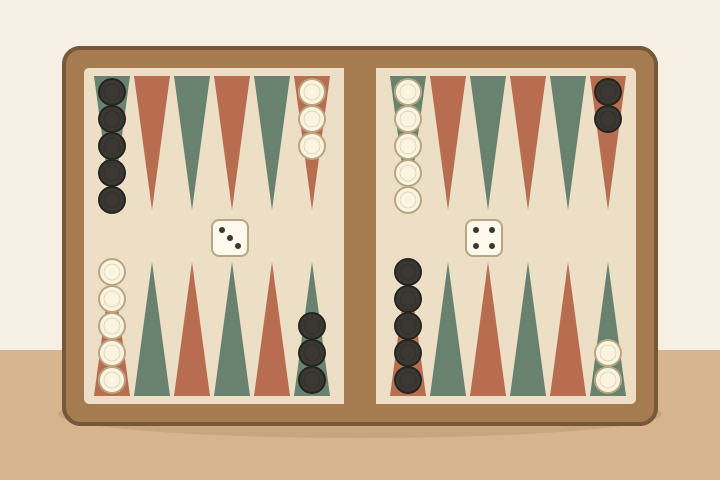
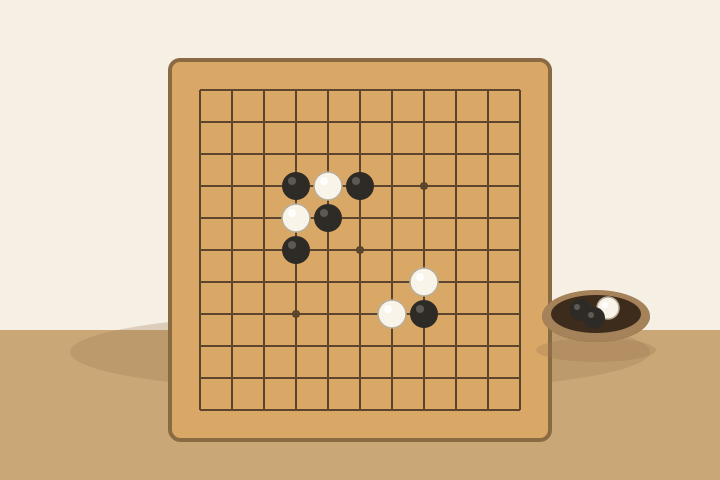
The best ones also have a built-in feedback loop. A chess game shows you your mistake, a language app shows you the word you missed, a sourdough loaf tells you whether the starter was ready. That feedback is what keeps a lifelong learner going, because progress is visible even on days when nothing feels exciting.
Good educational hobby patterns
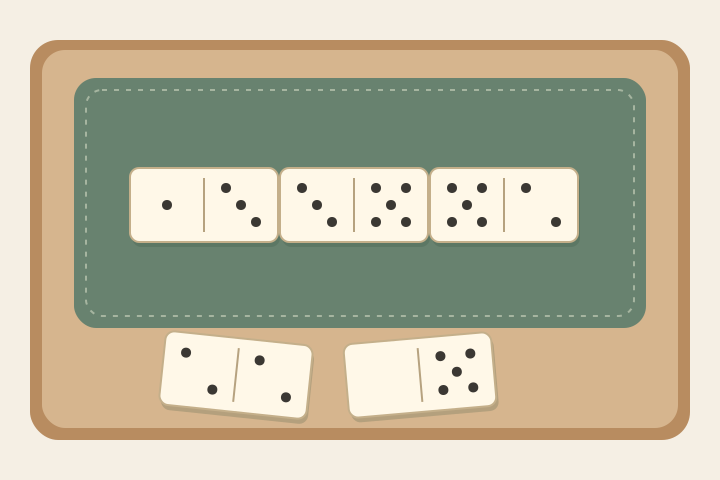
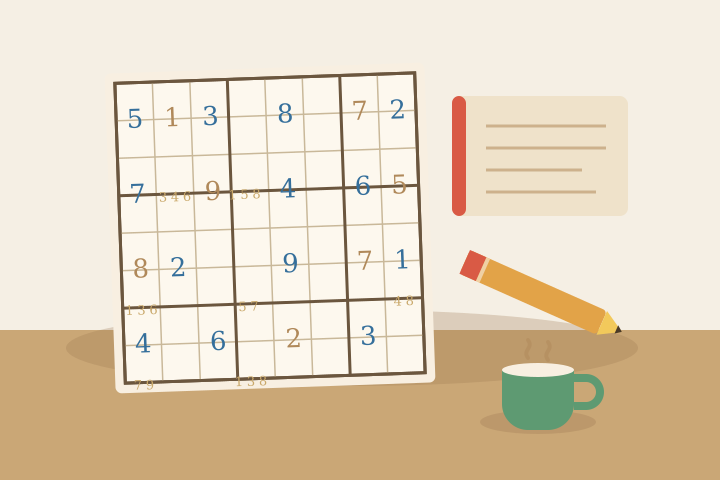
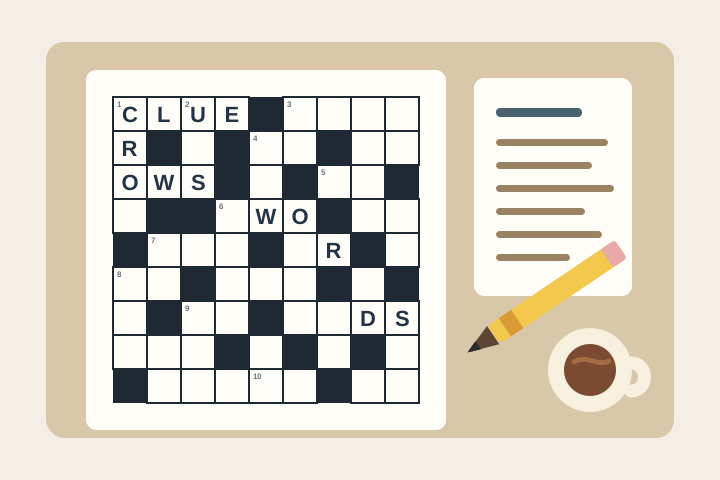
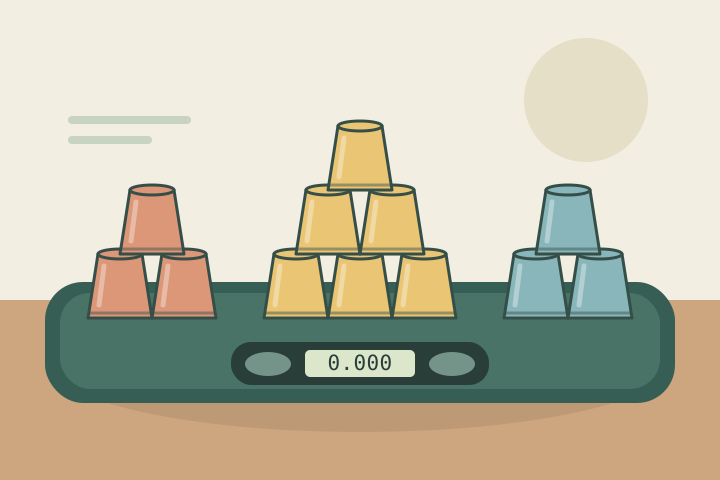
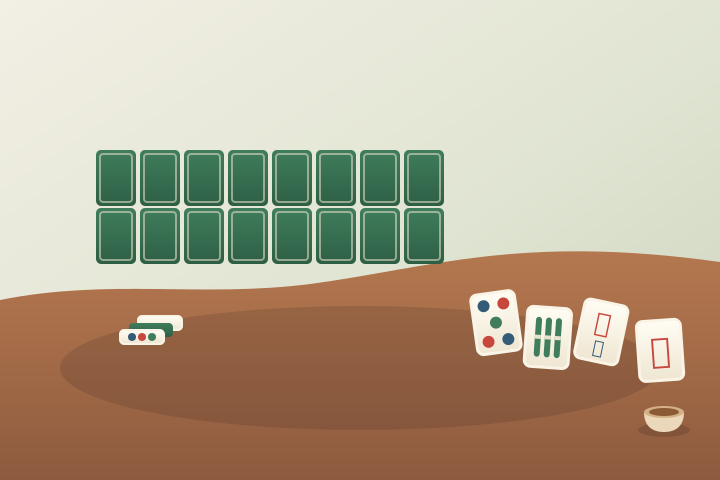
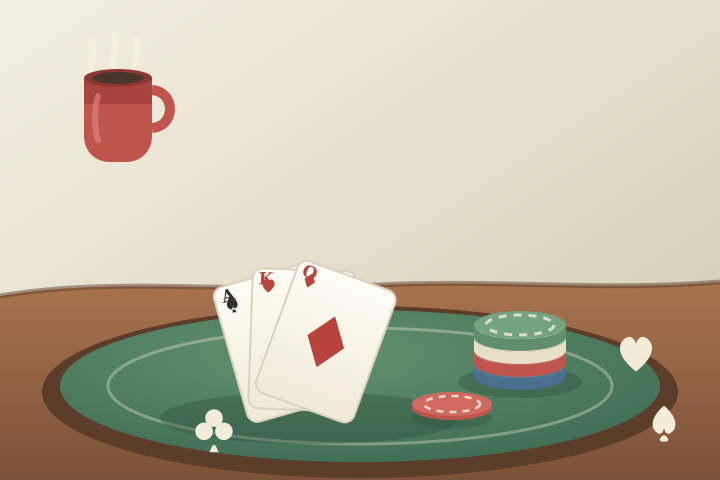
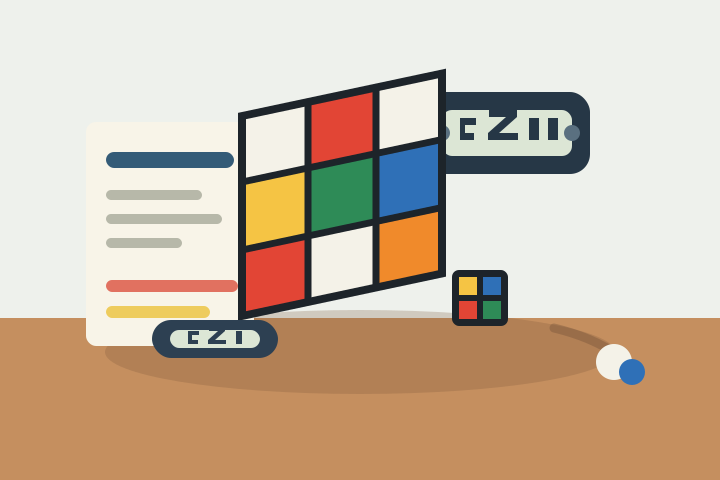
- Language and memory: language learning, chess, crossword puzzles, speedcubing, and genealogy.
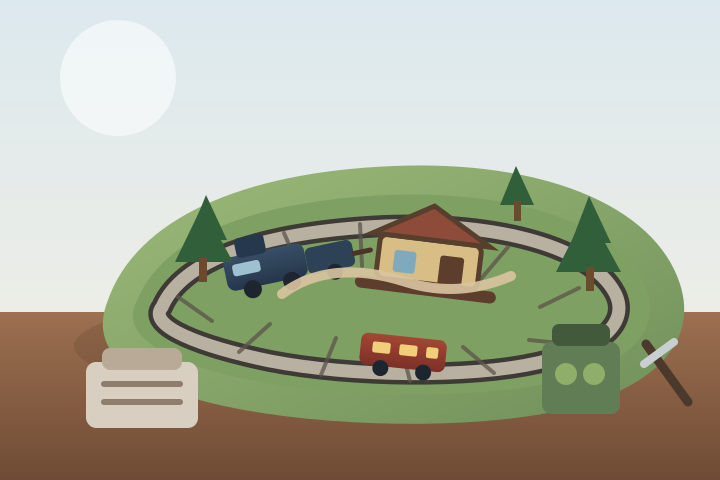
- History and stories: historical reenactment, genealogy, vinyl collecting, book collecting, and model railroading.
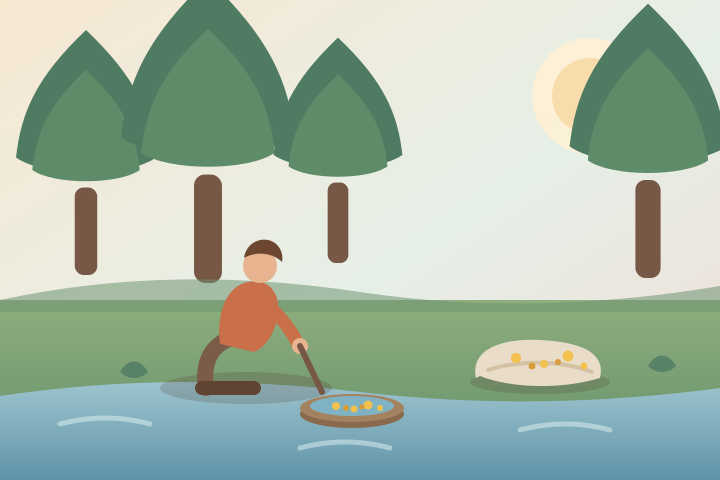
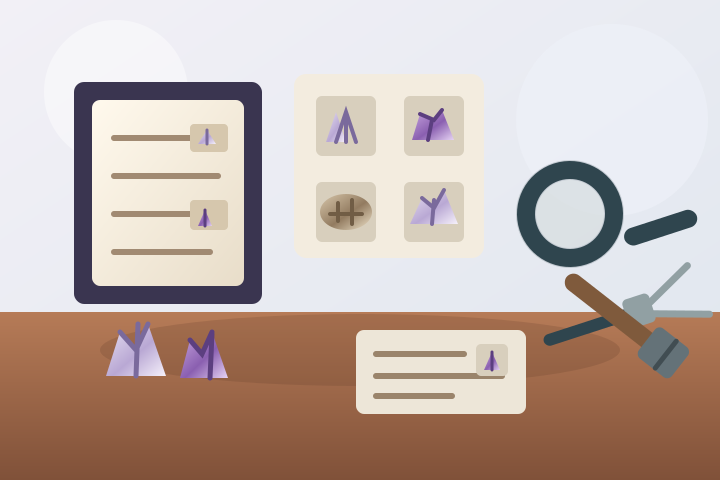
- Science and the outdoors: astronomy, foraging, mushroom growing, fossil collecting, geocaching, and bird-friendly gardening.
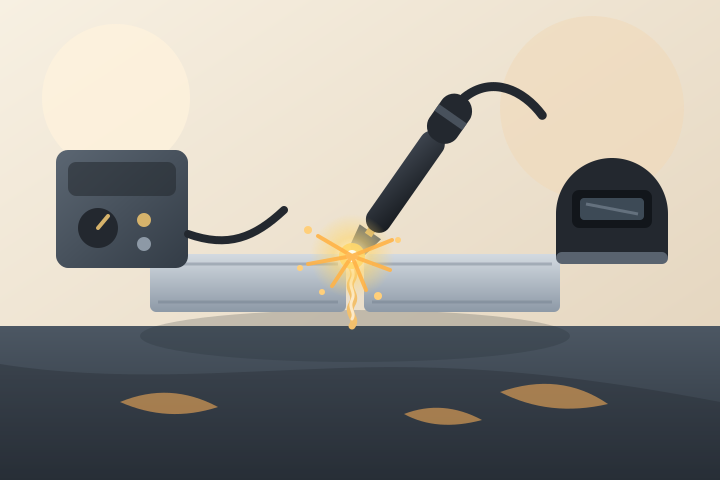
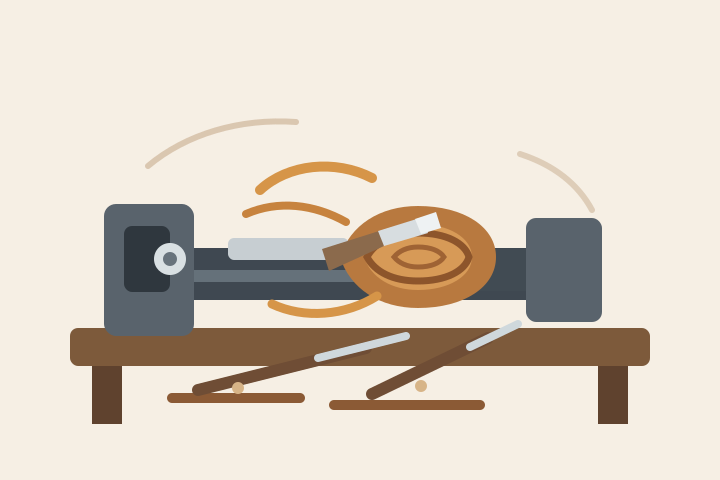
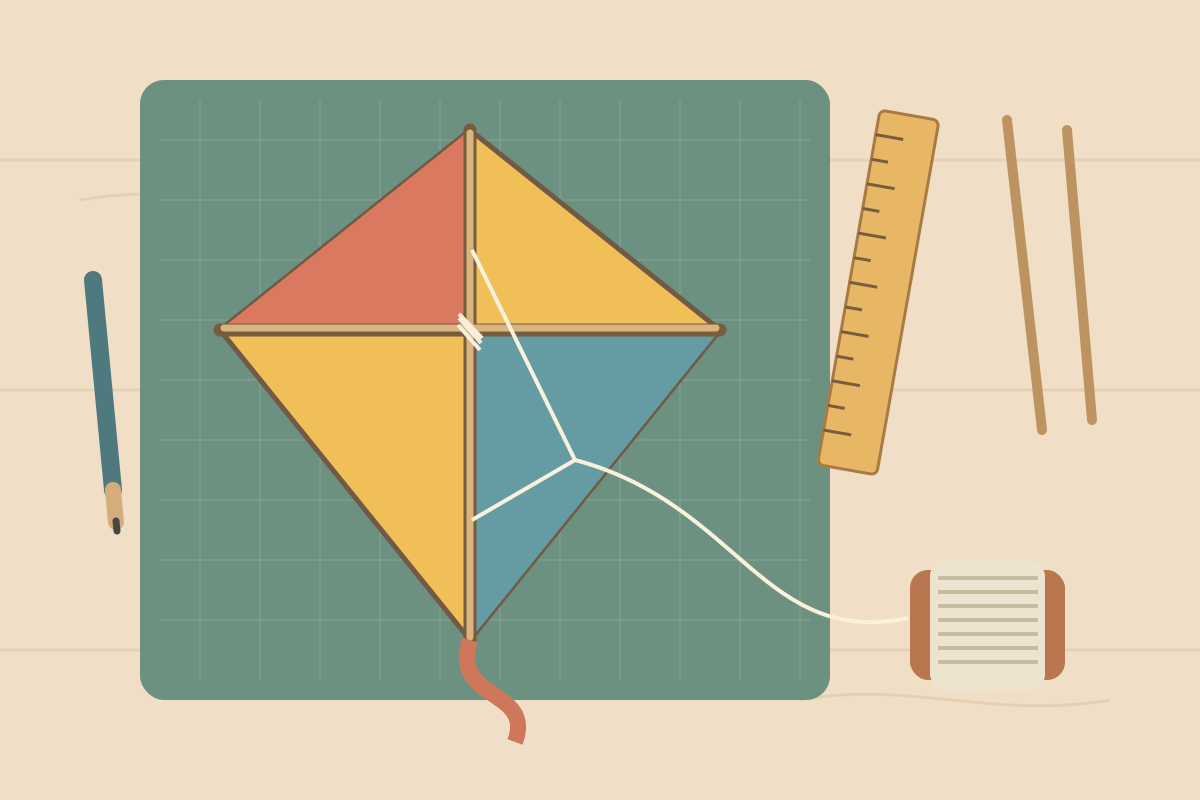
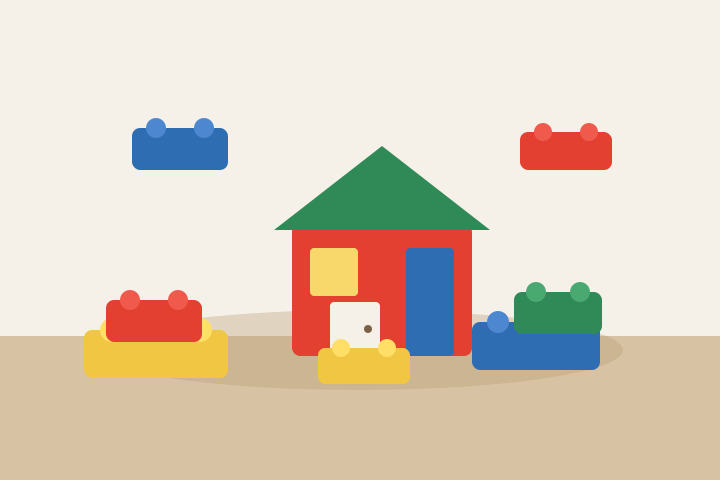
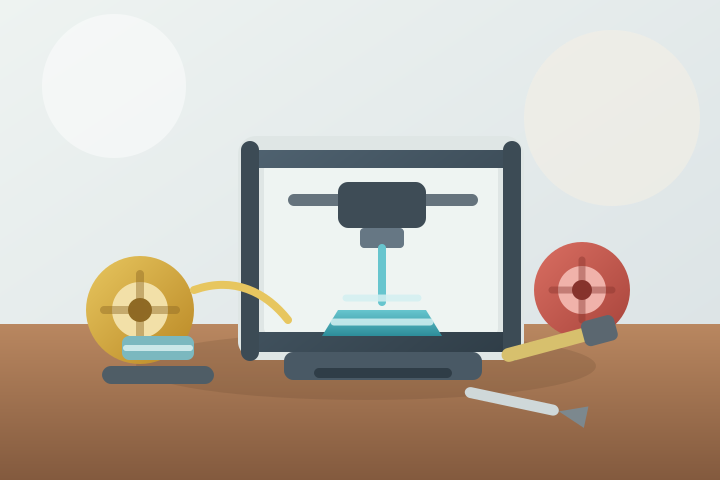
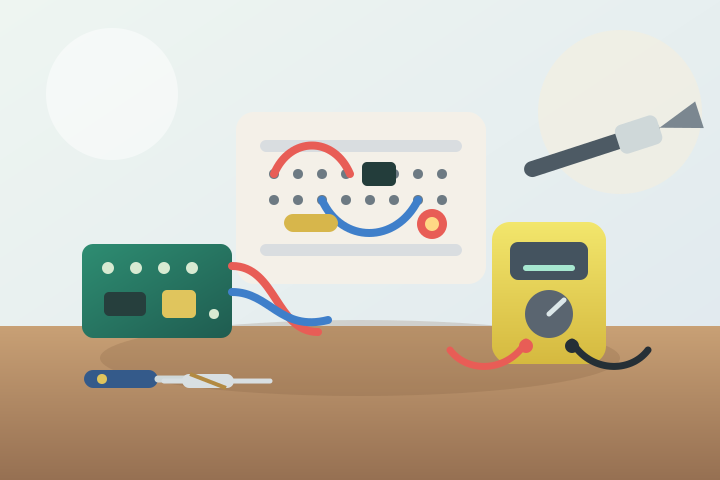
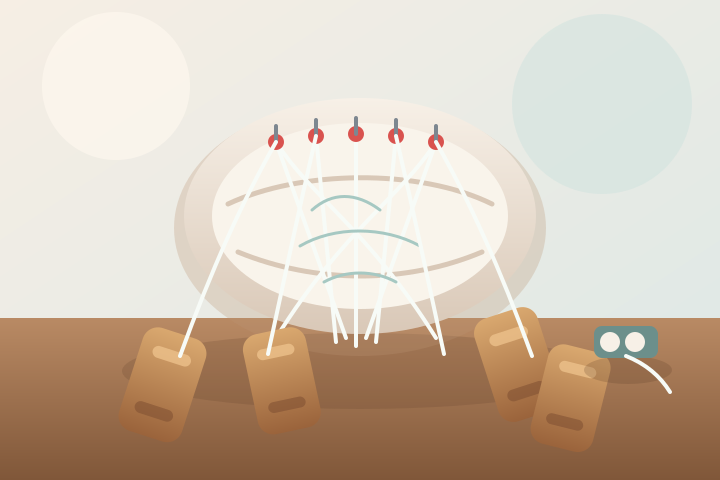
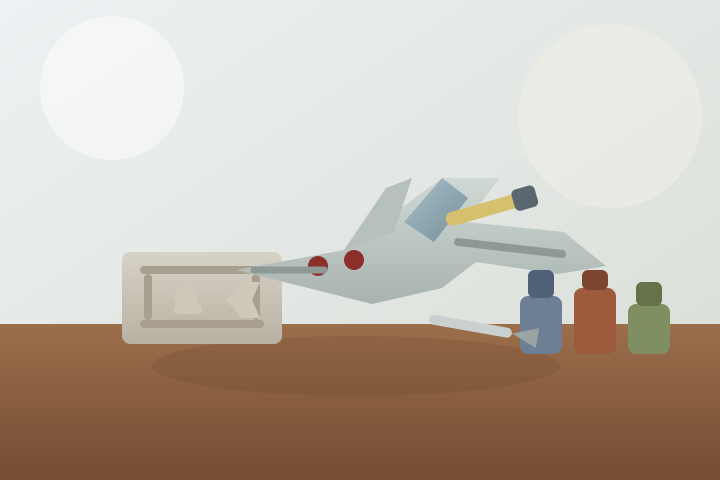
- Hands-on understanding: electronics, robotics, 3D printing, model making, woodworking, and home recording.
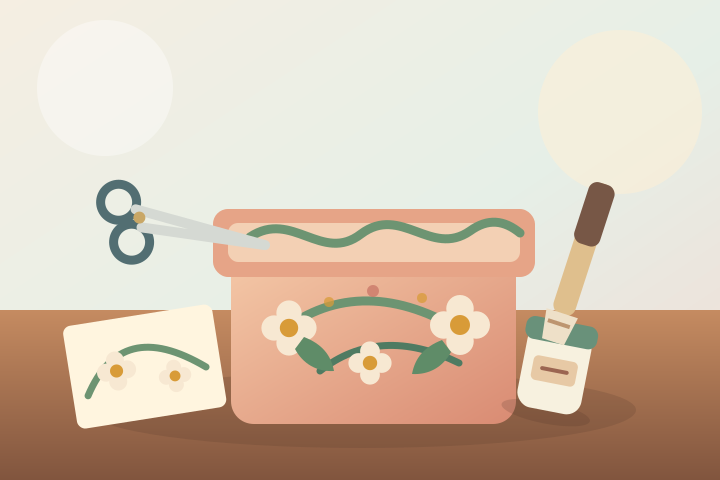
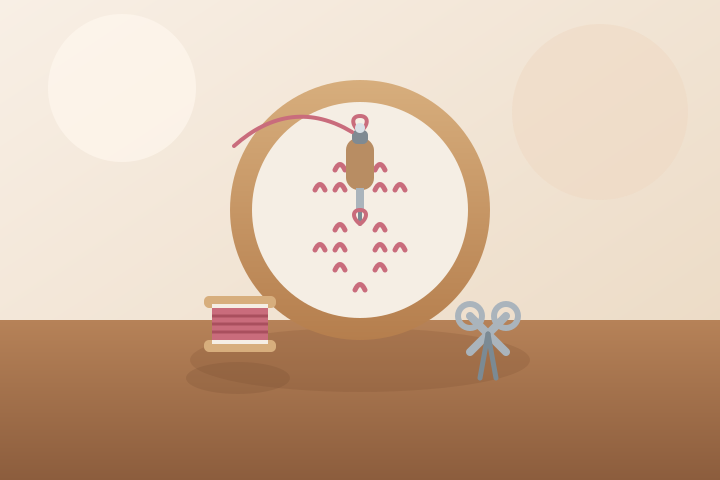
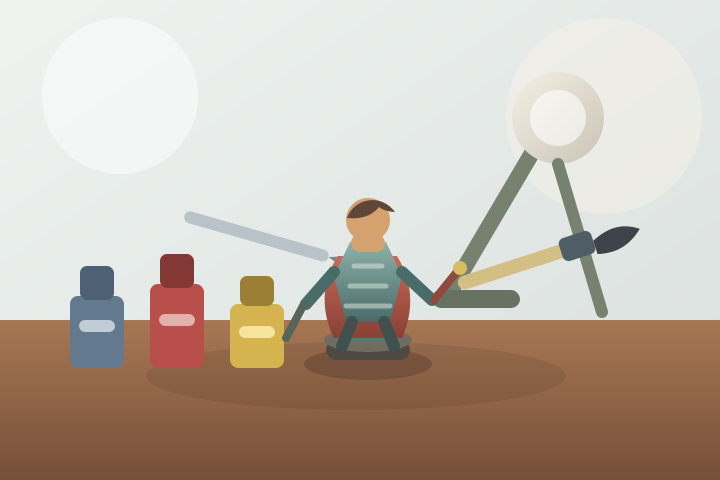
- Making that teaches: pottery, papermaking, natural dyeing, fermentation, and sourdough, where each attempt teaches you about materials, timing, and temperature.
Match the hobby to how you like to learn
Different learners get the most out of different kinds of practice. Choosing by your learning style makes the hobby easier to keep.
| Learning style | What it looks like | Good fits |
|---|---|---|
| By doing | You learn by making, breaking, and fixing things. | Electronics, pottery, robotics, sourdough, woodworking. |
| By exploring | You learn by going out and finding things. | Foraging, astronomy, geocaching, urban sketching, hiking. |
| By studying | You learn by reading, sorting, and connecting facts. | Genealogy, history, language learning, chess, crossword puzzles. |
| By making art | You learn by practising a craft until it feels natural. | Watercolour, printmaking, music, singing, digital illustration. |
Keep the learning curve honest
A lifelong learning hobby needs a curve that is steep enough to be interesting but gentle enough to survive a busy month. If a hobby only rewards you after years of invisible practice, you will drop it. If it stops teaching you after a weekend, it stops being educational.
A good test is the next-step question: after a session, can you name one thing to try next? One new word, one opening in chess, one recipe to tweak, one constellation to find. If you can, the hobby is still teaching you, and that is enough to come back to it tomorrow.
Make progress visible
Learners keep going when they can see where they have been. Keep a small log, a notebook, a photo album, or a shelf of finished things. A language journal, a chess game review, a pressed-flower collection, or a box of pottery all turn invisible practice into something you can look at and be glad of.
Share the learning when you can. Explaining a new idea to a friend, teaching a child the opening moves of chess, or showing someone your sourdough schedule all deepen your own understanding. Teaching is the quiet proof that the learning stuck, and it is one of the most satisfying parts of a hobby that never stops teaching you.

.jpg?width=900)
.jpg?width=900)









.jpg?width=900)







.jpg?width=900)





.jpg?width=900)






















































.jpg?width=900)
.jpg?width=900)

















.jpg?width=900)




.jpg?width=900)





.jpg?width=900)



.jpg?width=900)














.jpeg?width=900)