Choose for comfort, not intensity
A good hobby at any age is one you can return to without strain. For many older adults that means sitting comfortably, working at a relaxed pace, and choosing activities that do not depend on speed, heavy lifting, or long stretches of standing.
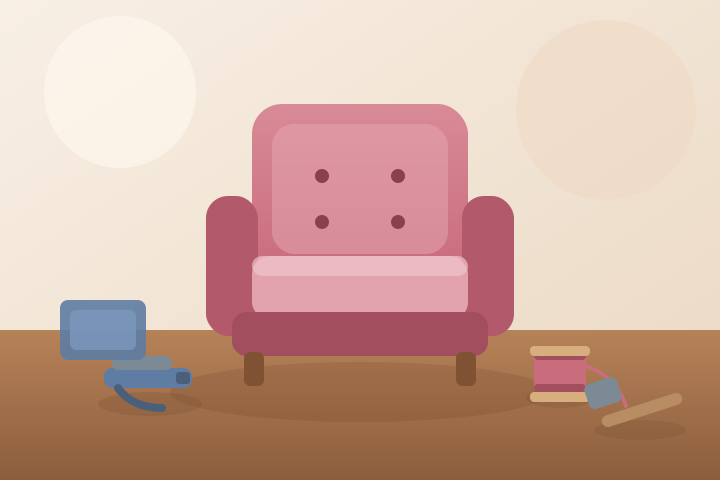
Start by asking what a pleasant hour looks like right now. If it is a chair by a window, a table with good light, a short walk, or a phone call with a friend, choose a hobby that fits that shape. A hobby that matches your daily comfort is easier to keep than one that asks you to become a different kind of person.
Good hobby patterns for a calmer pace
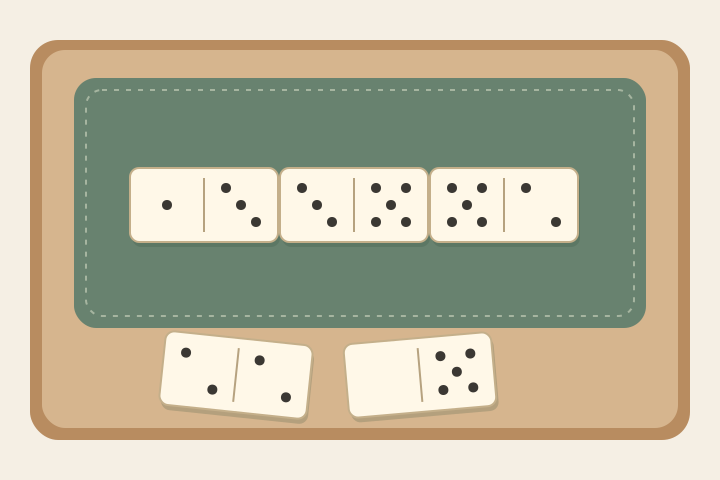
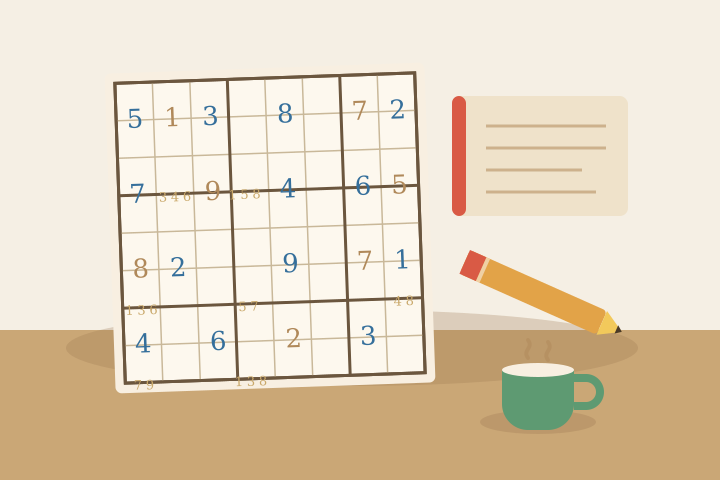
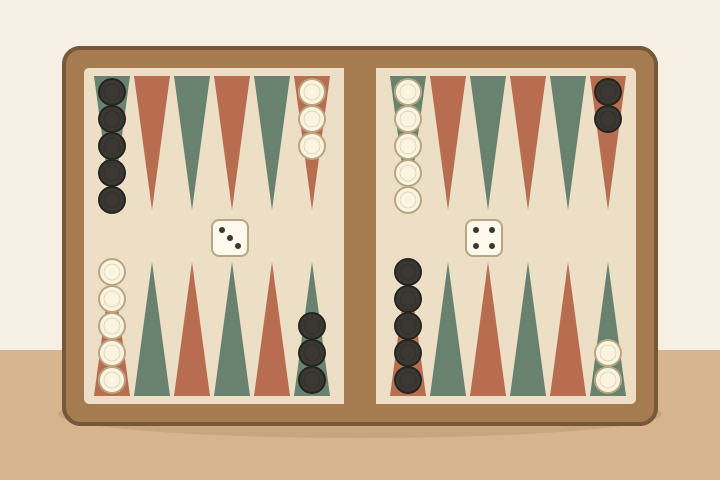
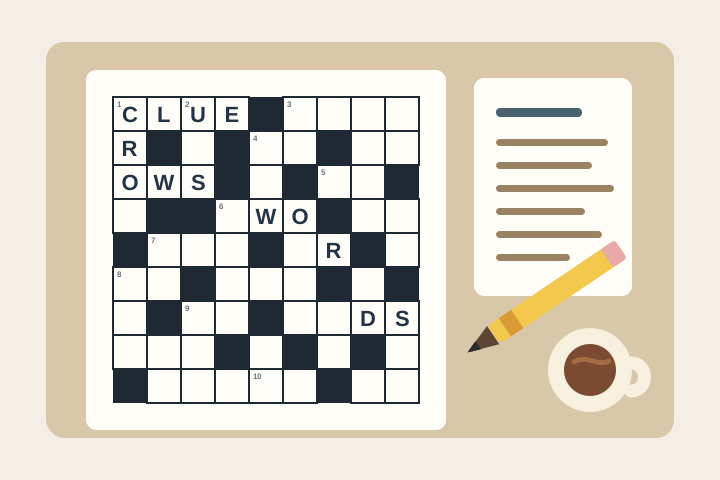
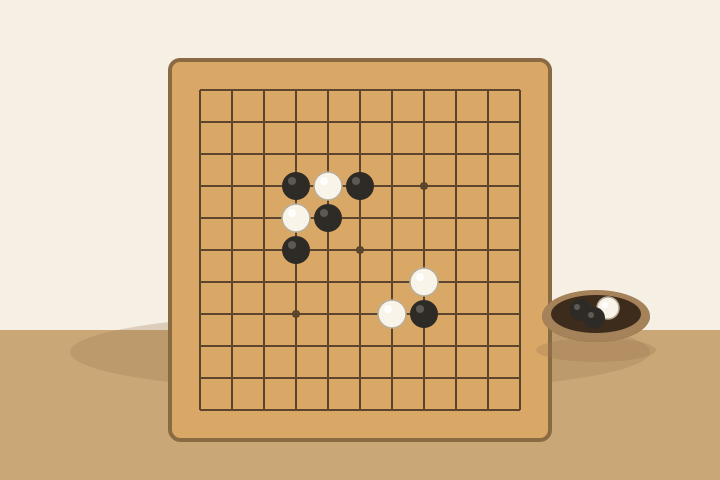
- Table and chair activities: reading, crossword puzzles, jigsaw puzzles, chess, card games, drawing, watercolour, and journaling.
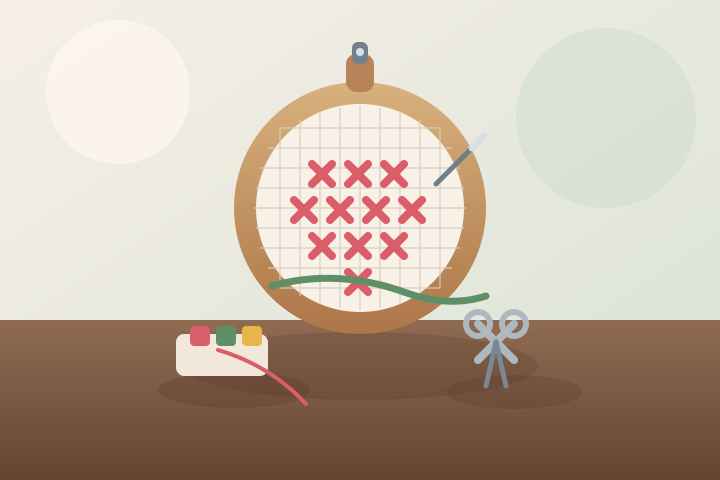
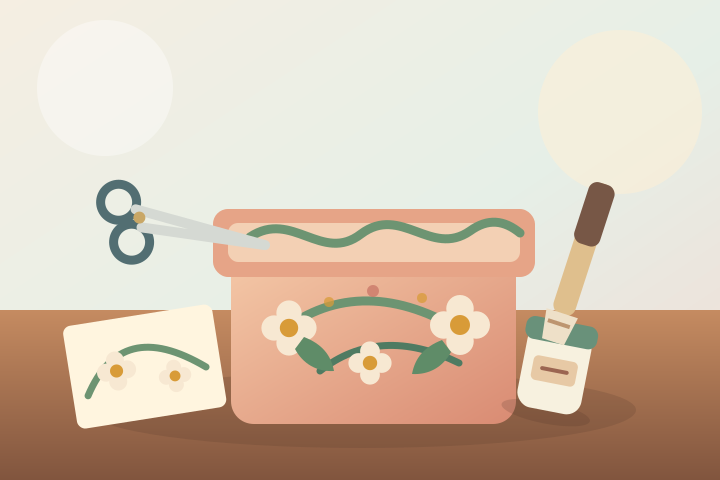
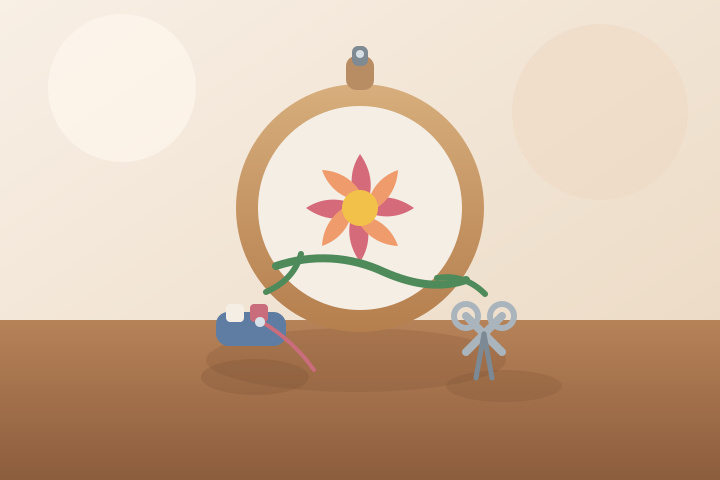
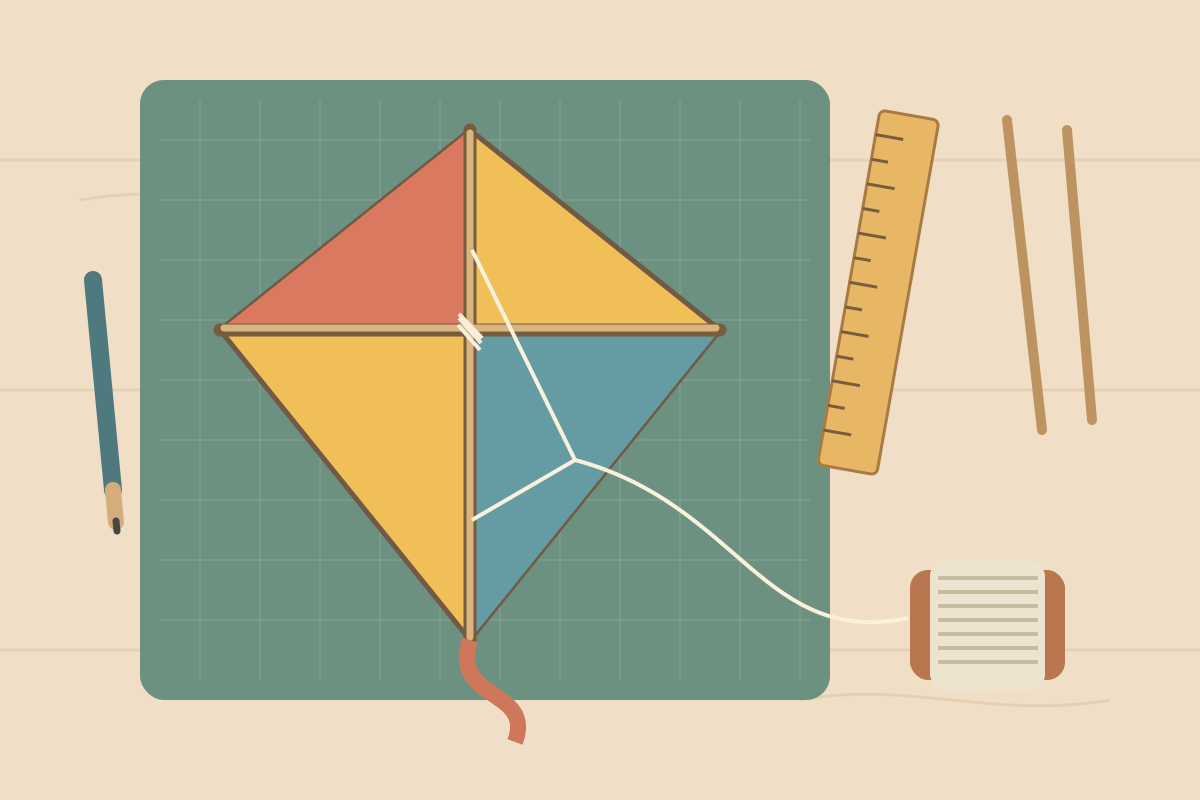
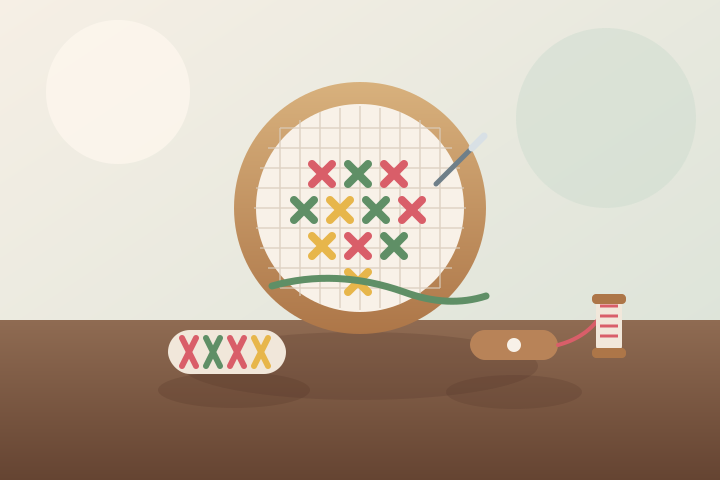
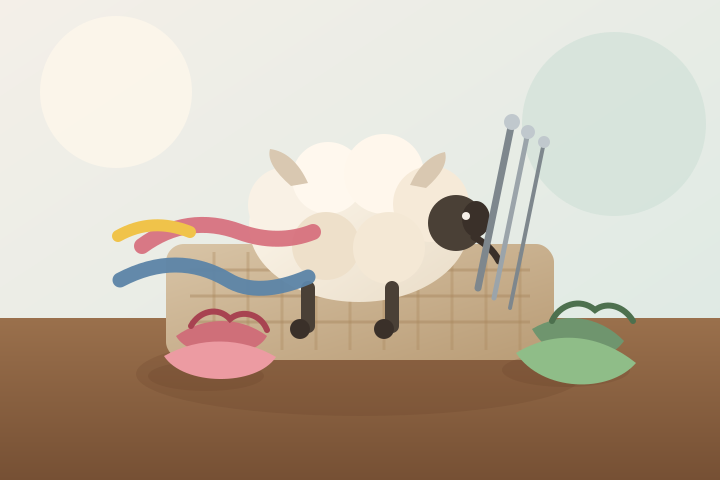
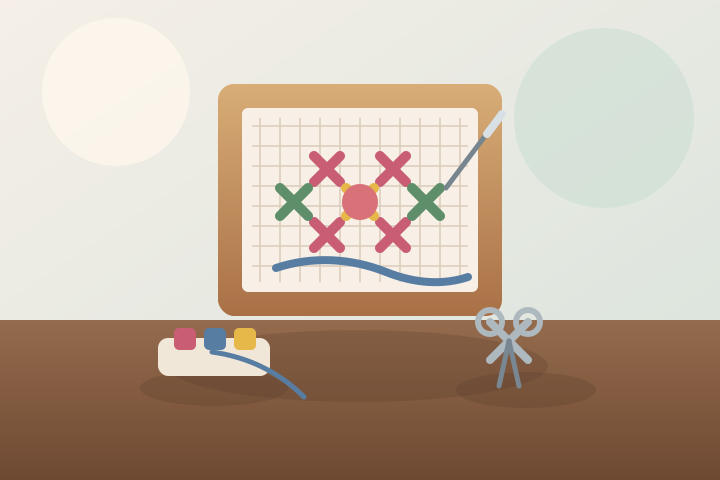
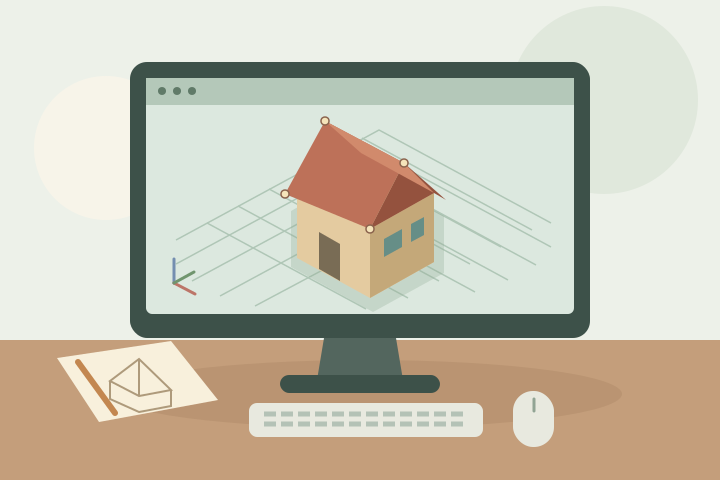
- Gentle making: knitting, crochet, embroidery, cross-stitch, origami, model making, flower arranging, and scrapbooking.
- Mindful routines: meditation, tai chi, yoga, tea brewing, gardening, and slow photography walks.
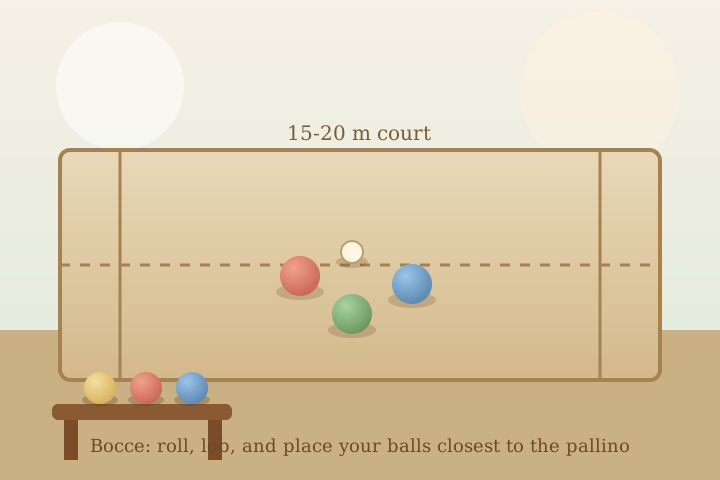
- Social rhythms: board game clubs, choir, dance, pickleball, bridge, book clubs, and community classes.
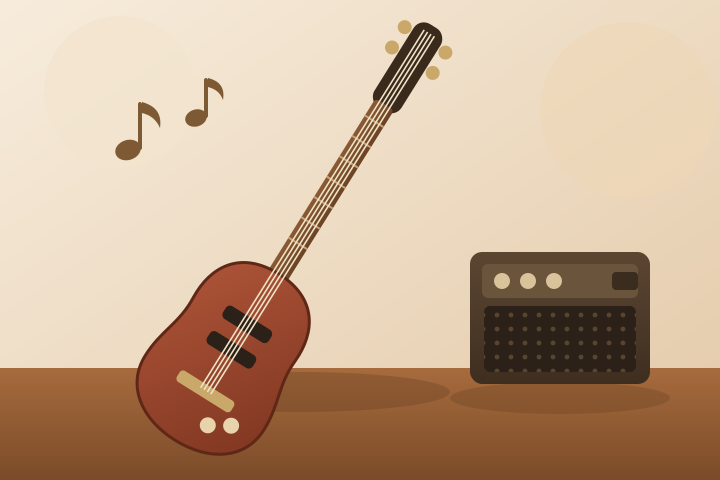
- Music and memory: piano, guitar, ukulele, singing, listening with vinyl records, and learning a language.
Keep sessions short and stopping points clear
The most sustainable sessions are the ones that end while they are still pleasant. A twenty-minute walk, one page of a crossword, a small embroidery square, or a single recipe are all complete sessions. Clear stopping points make it easy to pause for rest, appointments, or a tired afternoon and return the next day without starting over.
If an activity feels tiring, shrink it before dropping it. Use lighter tools, sit instead of stand, work in shorter pieces, or swap to a listening or watching version for a while. The goal is a rhythm you can keep, not a project that wins a prize.
Make it a shared habit
Hobbies stick better when they are tied to other people. A weekly walk with a neighbour, a monthly game night, a choir rehearsal, or a family phone call about the latest project all give a reason to continue even on low-motivation days.
If you are choosing a hobby for a parent, grandparent, or friend, choose something they can do partially. They can sort puzzle pieces while you place them, stir the batter while you measure, or walk a shorter loop while you continue. Shared hobbies become a routine when everyone has a role that fits their energy, and that routine is usually worth more than the finished product.

.jpg?width=900)
.jpg?width=900)













.jpg?width=900)



.jpg?width=900)





.jpg?width=900)





.jpg?width=900)










.jpg?width=900)

.jpeg?width=900)





.jpg?width=900)












.jpg?width=900)

















.jpg?width=900)










.jpg?width=900)
.jpg?width=900)














.jpg?width=900)




.jpg?width=900)