What counts as a useful skill
A useful skill is something you can still use after the hobby session ends. It might be practical, like cooking a proper meal, mending a torn seam, or reading a map in poor weather. It might be work-adjacent, like editing a clean video, wiring a small circuit, or taking a photograph that does not need fixing. It might be personal, like playing a song from memory, holding a conversation in another language, or staying calm and steady under pressure.
The test is simple: could you use this ability somewhere the hobby is not present? If the answer is yes, the hobby is quietly building something that lasts.
Match the skill to your life
Different hobbies train different kinds of ability. Choosing by the skill you want, rather than the hobby name, makes the choice easier.
| Skill type | What it trains | Good fits |
|---|---|---|
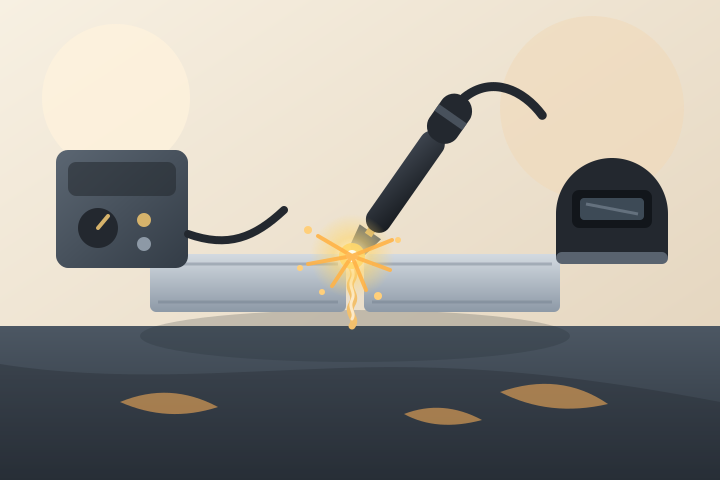
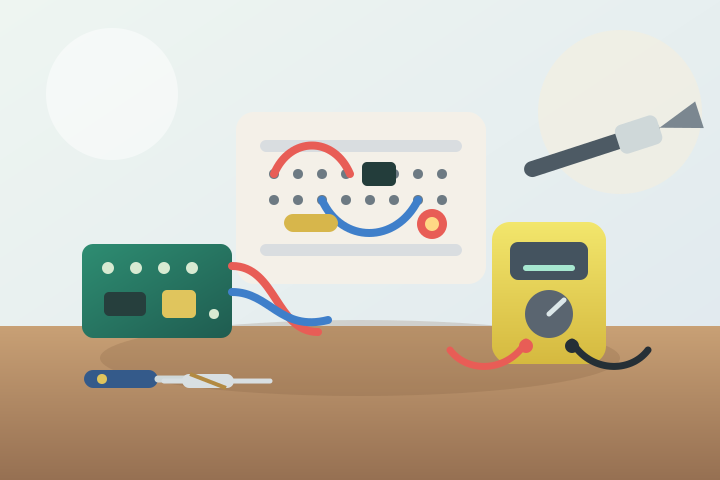
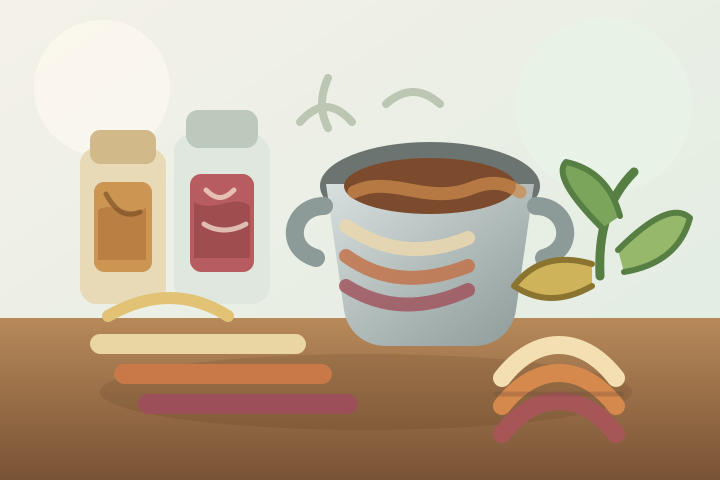
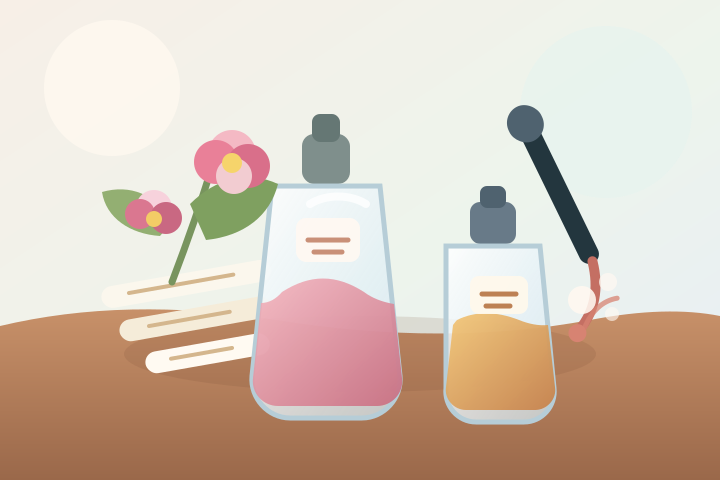
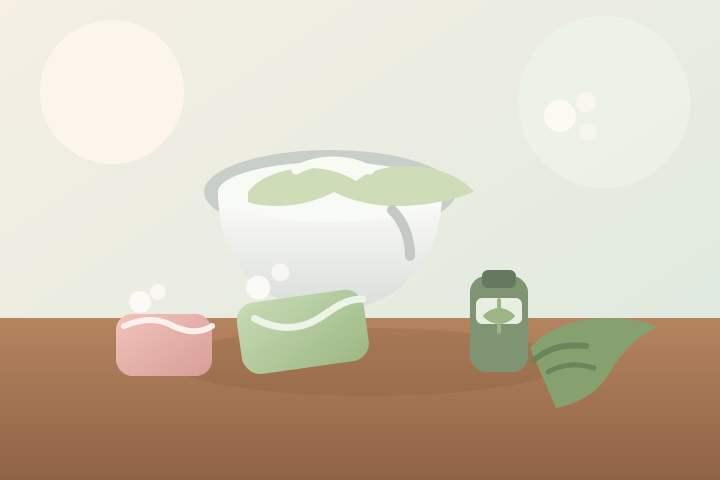
| Practical life skills | Feeding yourself, fixing things, keeping a home and garden going. | Cooking, sourdough, sewing, woodworking, gardening, electronics. |
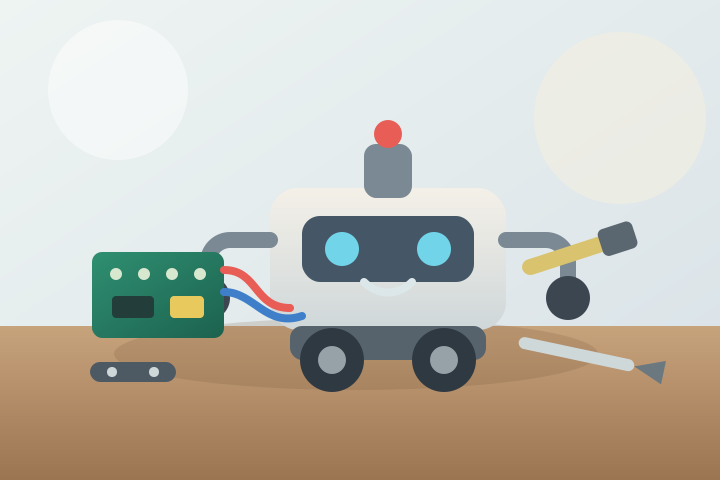
| Work-adjacent skills | Making, editing, recording, and presenting things clearly. | Photography, video editing, podcasting, digital illustration, 3D printing, robotics. |
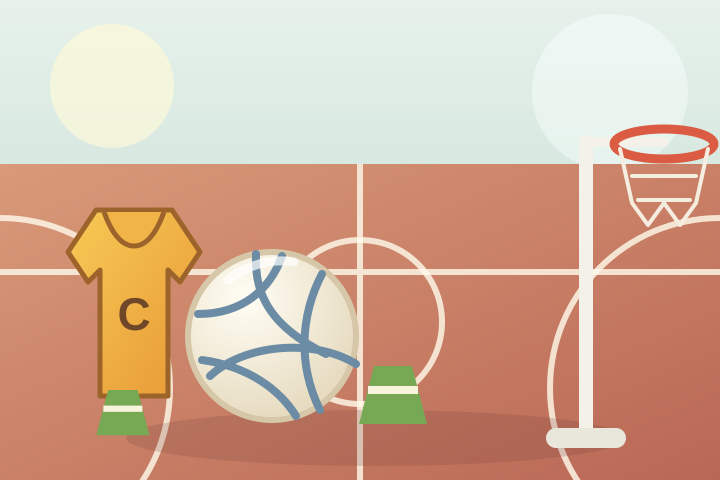
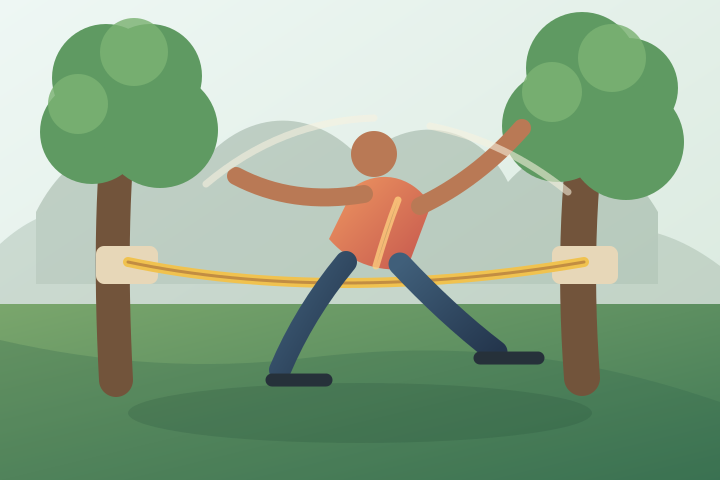
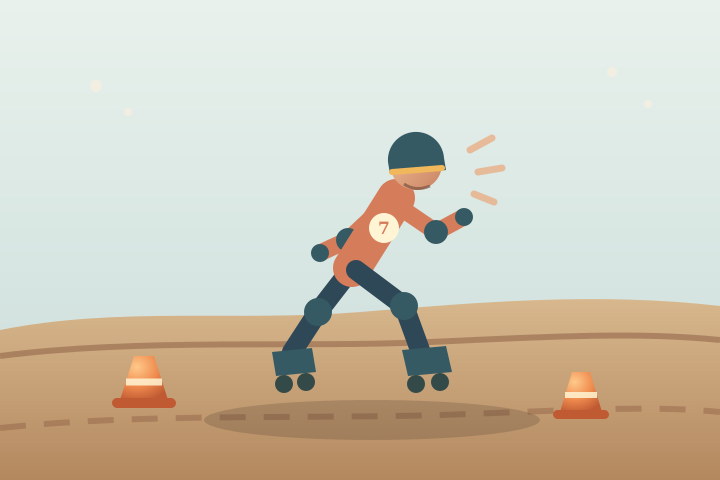
| Physical skills | Body control, fitness, balance, and competence outdoors. | Swimming, rock climbing, cycling, skiing, sailing, foraging. |
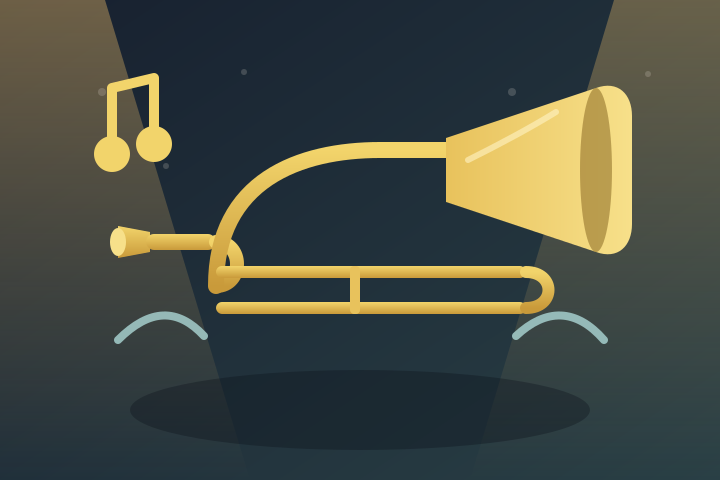
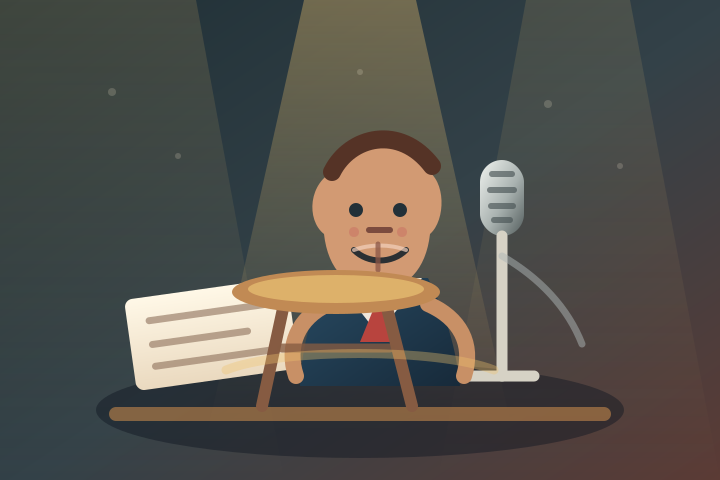
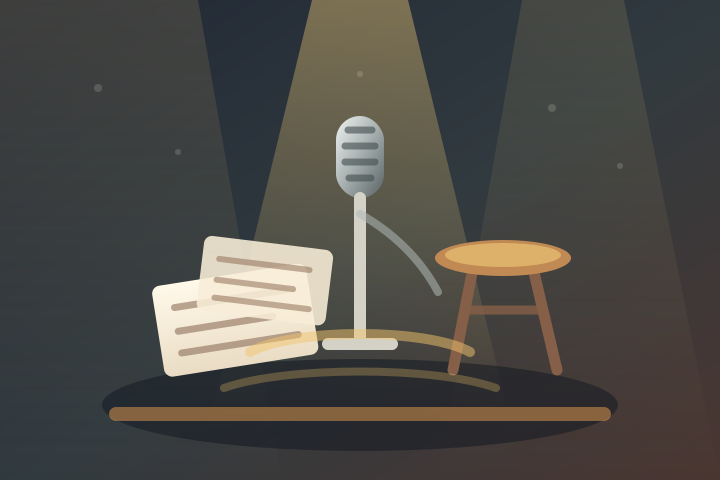
| Communication skills | Speaking, performing, listening, and thinking on your feet. | Acting, improv comedy, singing, language learning, music performance. |
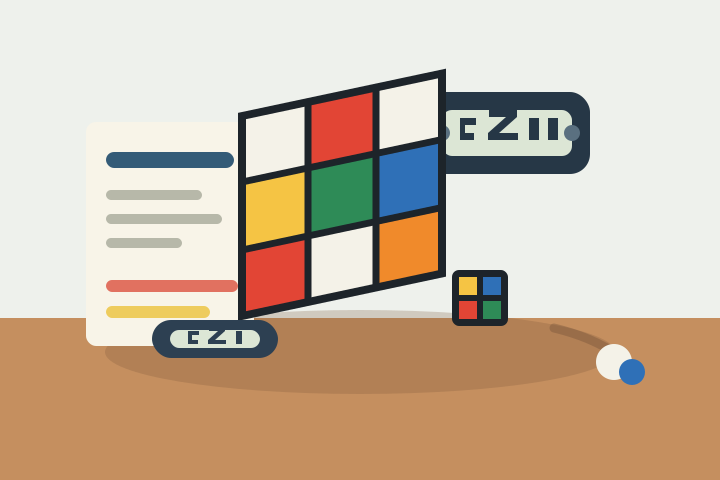
| Focus and craft | Patience, precision, and long-term attention to detail. | Pottery, chess, calligraphy, model making, music practice. |
Signs the hobby is actually building skill
Not every hobby with a learning curve builds a transferable skill. Some train you only in that specific game. Look for these signs that the skill is general:
- Progress is visible. You can point to something you could not do three months ago and do it now.
- The skill has steps. It can be broken into parts, practised separately, and recombined.
- Mistakes give information. A failed stitch, a flat note, or a burnt pan tells you what to change next time.
- The skill works in new situations. You can cook a recipe you have never seen, play a song you have never learned, or navigate a trail you have never walked.
If a hobby only feels like progress while you are inside it, that is still fine. But if you want the skill to travel, choose a hobby where the ability exists outside the activity.
Practise so the skill sticks
A hobby builds a skill when the practice is deliberate, even in small doses. A few habits make the difference:
- Practise the hard part, not the comfortable part. Repeat the tricky bar, the awkward turn, the step where you usually rush.
- Finish small things. One repaired item, one cooked meal, one recorded take, one completed route. Finished things prove the skill works.
- Change the conditions. Cook for a guest, play for a friend, sketch in a café, navigate without the app. Transfer happens when the setting changes.
- Teach or show someone. Explaining a chord, a recipe, or a route exposes the gaps in your own understanding faster than anything else.
Keep the fun in the middle
Optimising a hobby purely for skill can drain it. The reason you keep practising is that the activity is enjoyable, not only that it is useful. Notice when the practice starts to feel like a job, and let the hobby breathe: play a favourite piece instead of a new one, cook something comfort rather than challenging, take the easy trail for a week.
The best outcome is the quiet one. You pick up a hobby for the pleasure of it, and a year later you notice you can cook, repair, speak, play, or navigate things you once could not, and the skill was never the point at all.




.jpg?width=900)
















.jpg?width=900)










.jpg?width=900)
.jpg?width=900)













.jpg?width=900)

.jpg?width=900)





.jpg?width=900)







.jpg?width=900)


.jpg?width=900)












.jpeg?width=900)