Choose by room, noise, and cleanup
Indoor hobbies are easiest to keep when they fit the room you already have. A kitchen hobby, desk hobby, floor hobby, music hobby, craft hobby, or game hobby each asks for a different kind of space, even when the square footage is small.
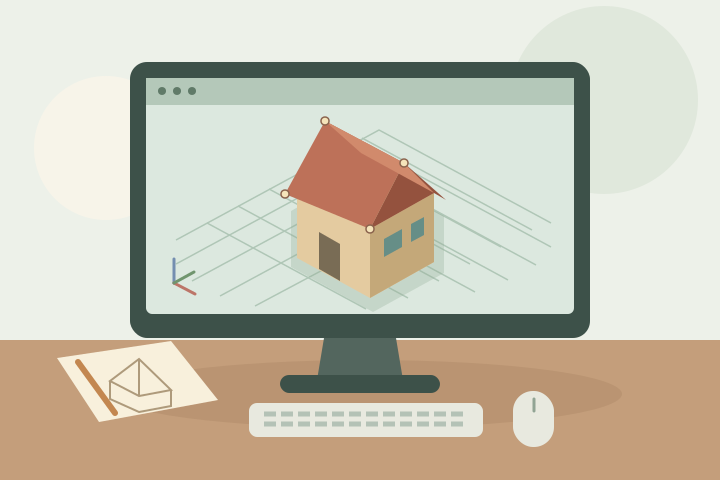
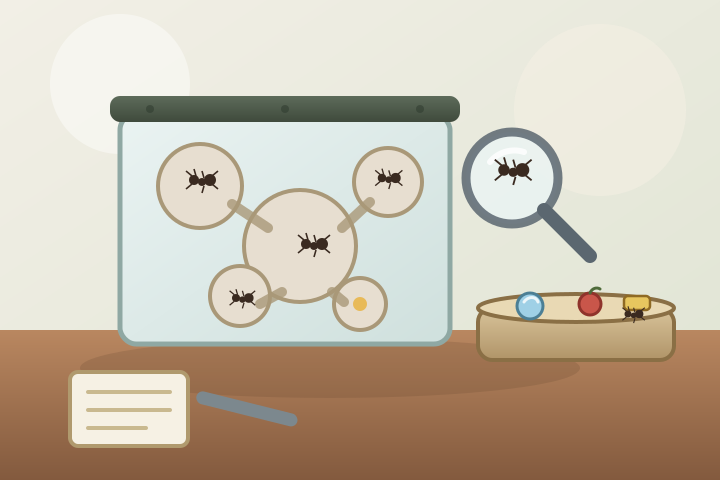
Before buying supplies, check the ordinary friction: noise, dust, fumes, drying time, storage, lighting, pets, children, housemates, and whether you can stop halfway without leaving a mess in everyone’s way.
Good indoor hobby patterns
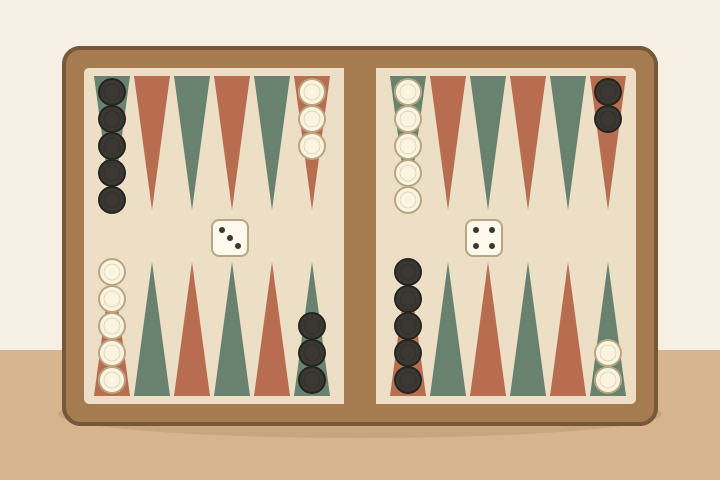
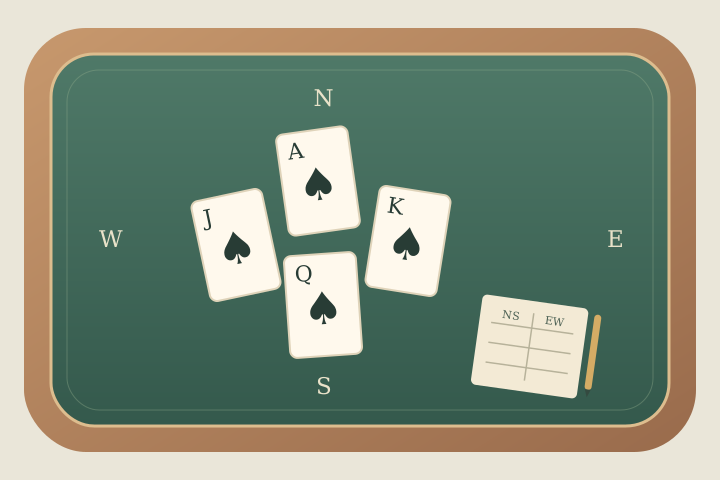
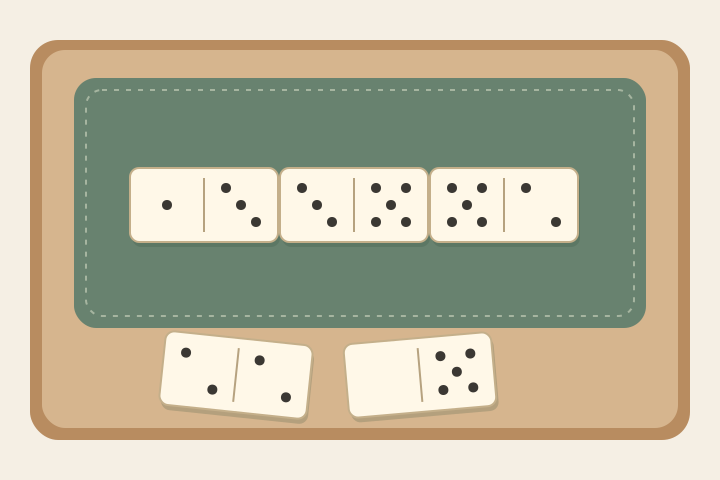
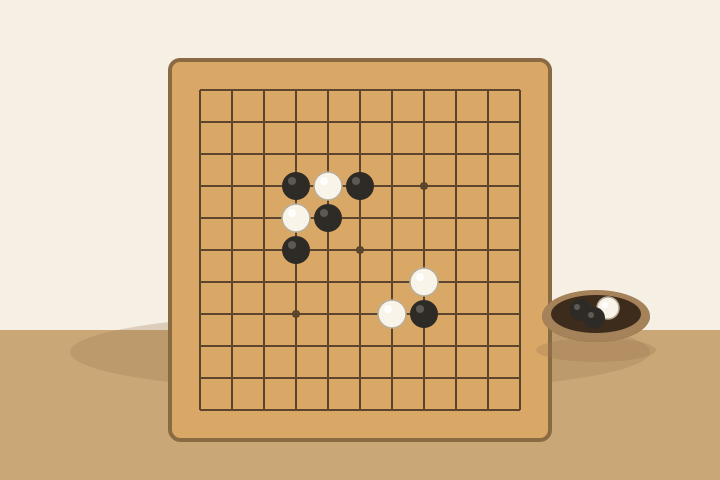
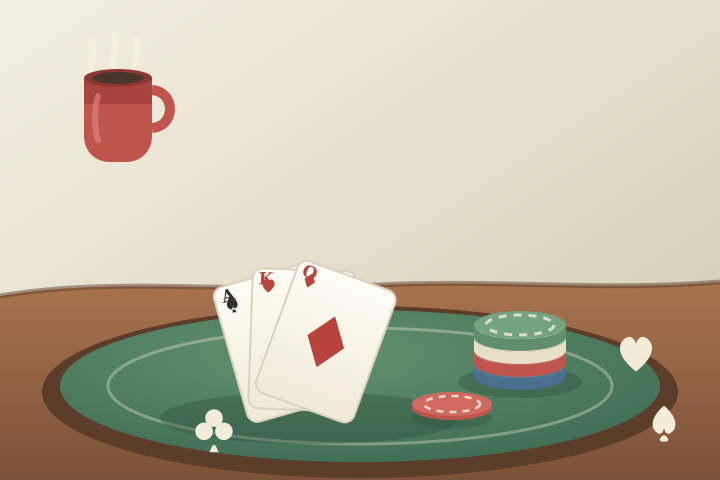
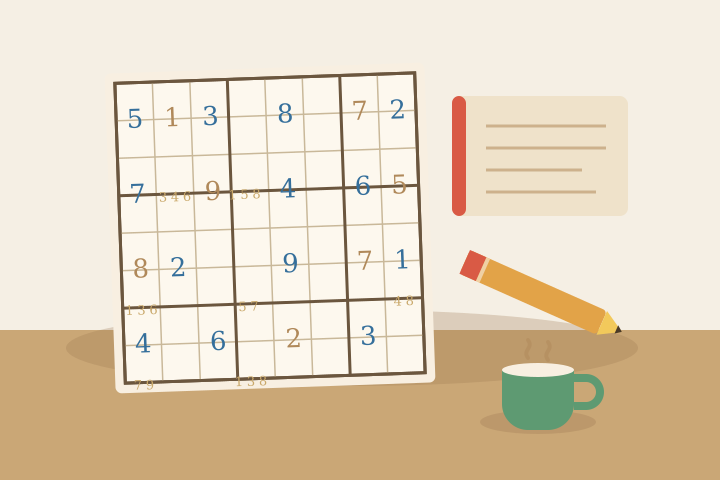
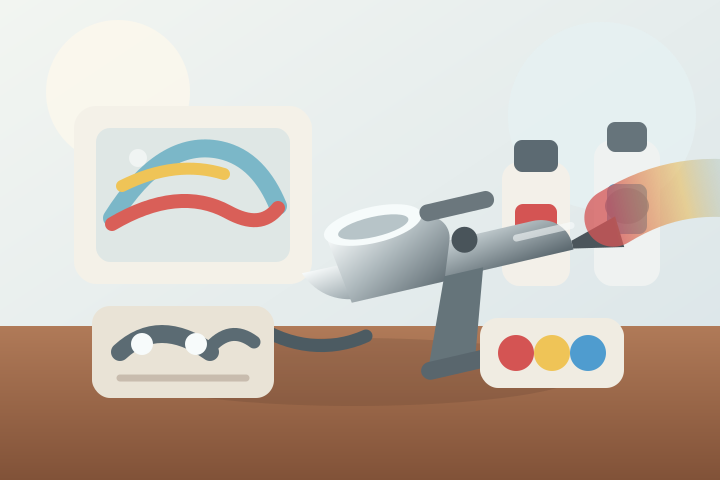
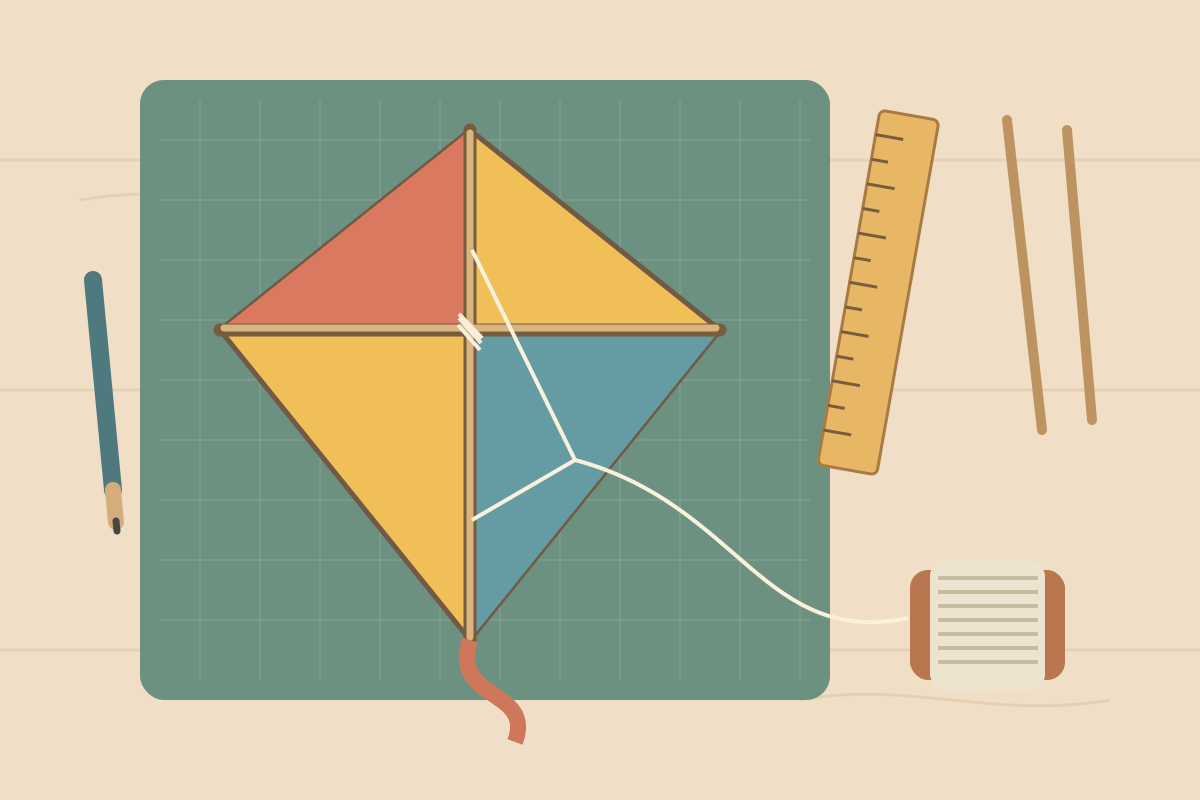
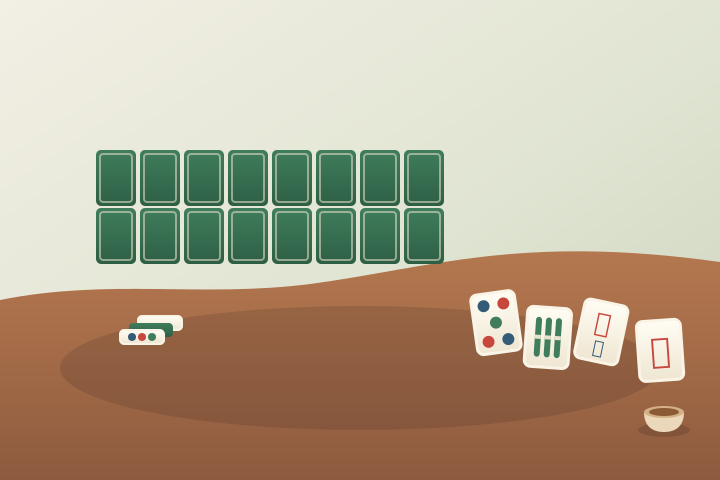
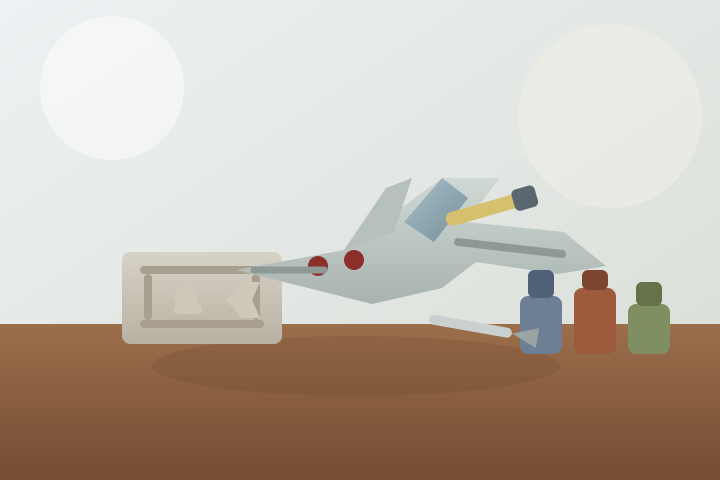
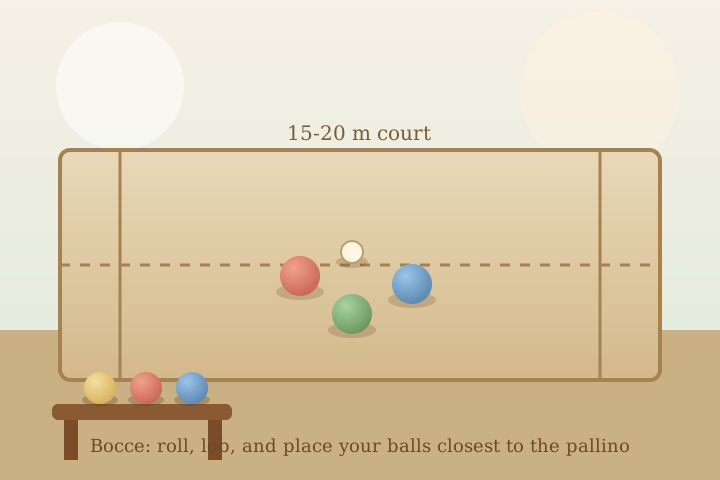
- Table hobbies: board games, jigsaw puzzles, drawing, card making, calligraphy, miniature painting, and model making.
- Kitchen hobbies: baking, cooking, coffee brewing, tea brewing, fermenting, and small-batch preserving.
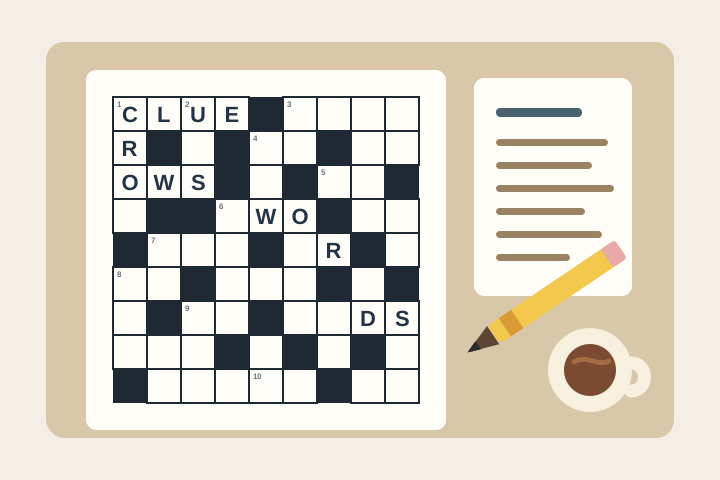
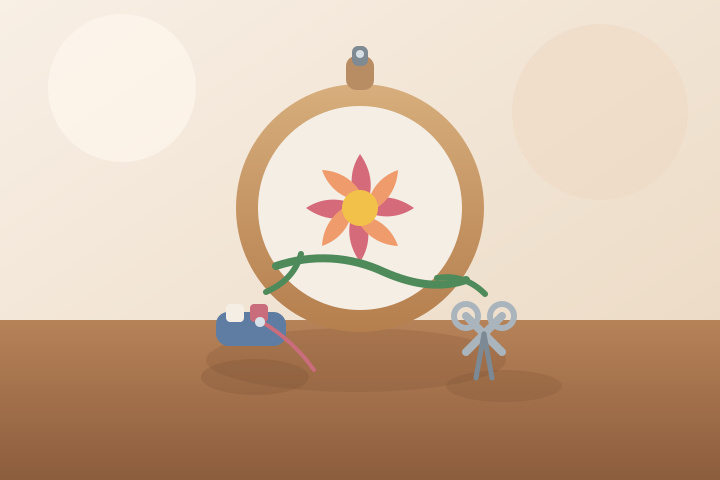
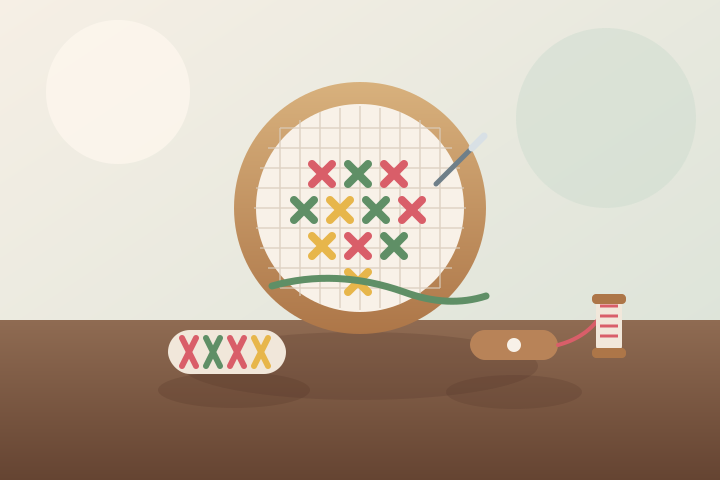
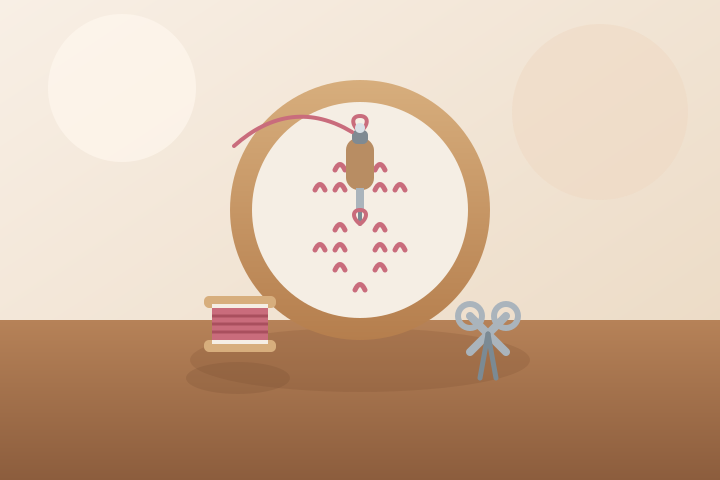
- Quiet hobbies: reading, journaling, language learning, meditation, knitting, crochet, and crossword puzzles.
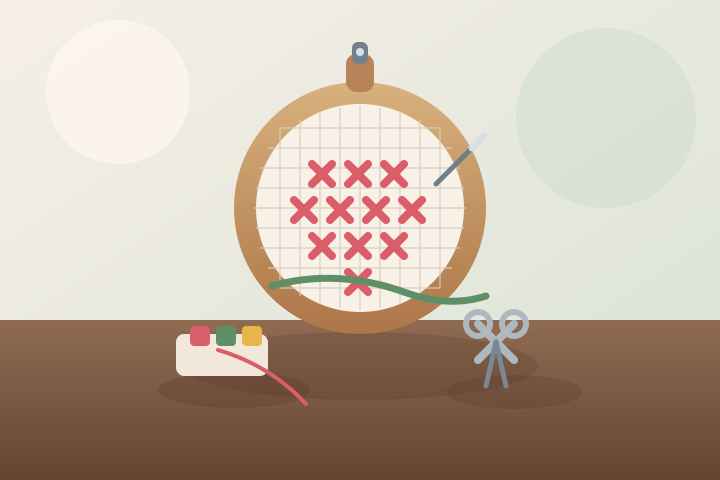
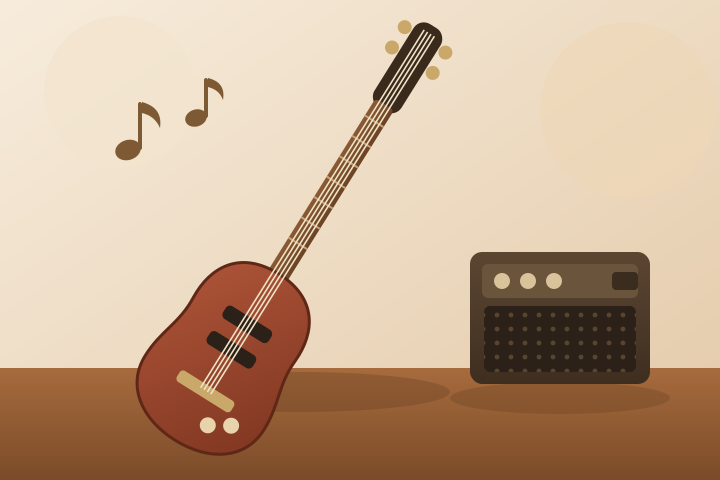
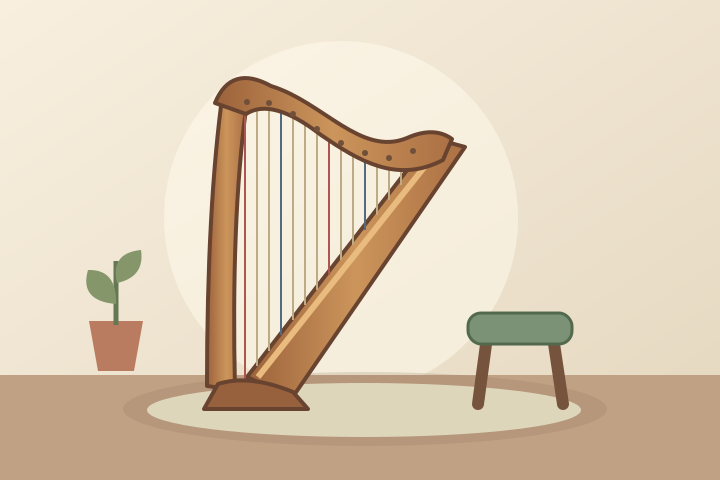
- Room hobbies: yoga, pilates, dance practice, singing, ukulele, guitar, and piano.
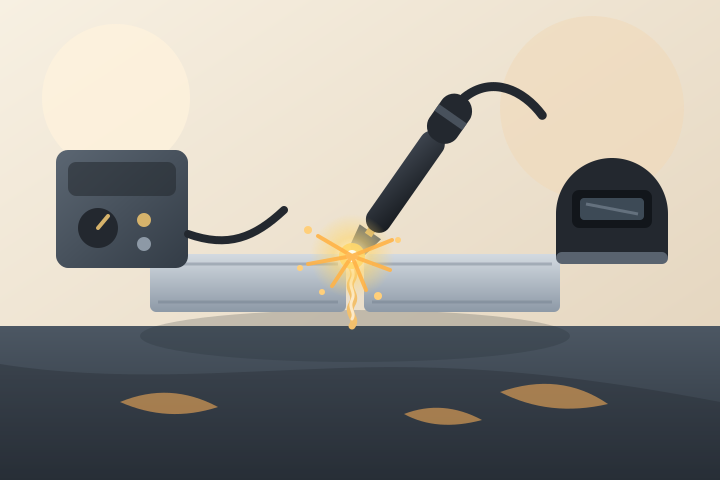
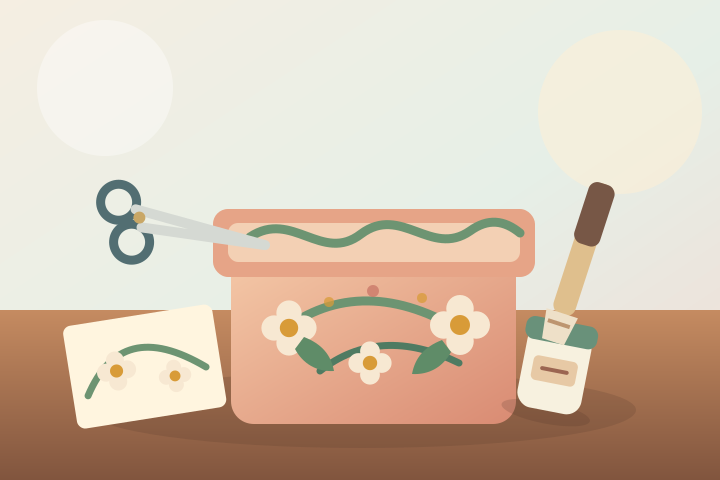
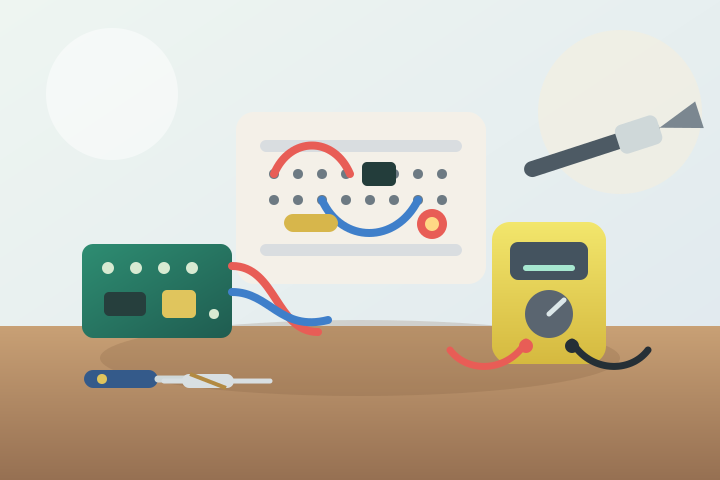
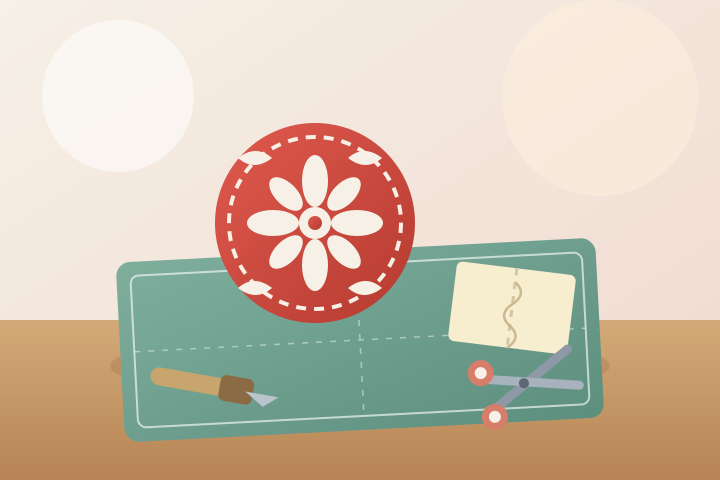
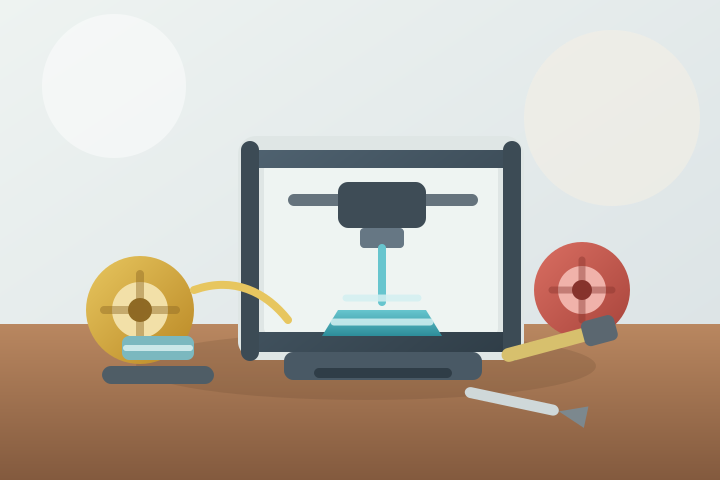
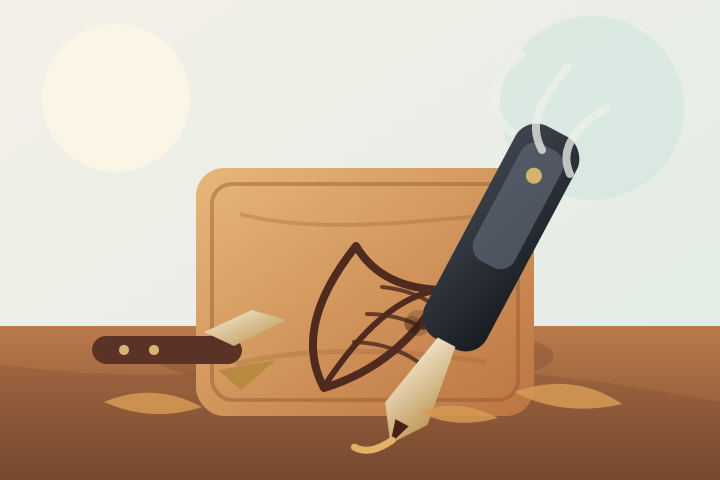
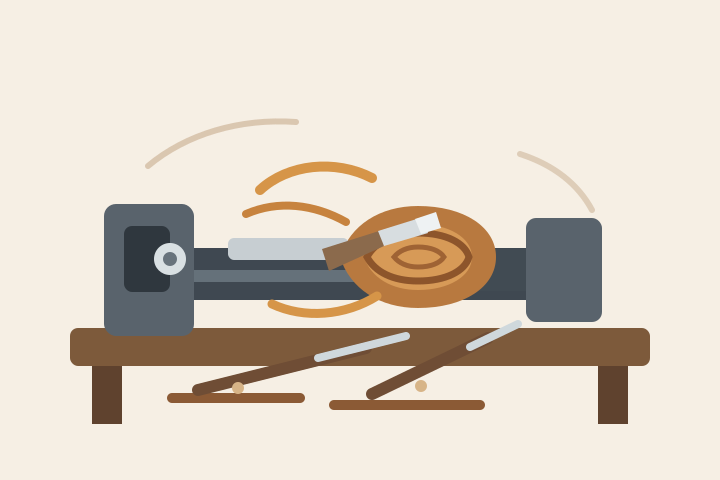
- Workshop hobbies: woodworking, leatherworking, electronics, pottery, sewing, and stained glass when you have the right ventilation, tools, and cleanup plan.
Match ambition to setup time
The best indoor hobby is not always the smallest one. Some people want a quiet ten-minute habit, while others want a project that can take over a spare room or studio. What matters is whether the setup feels worth repeating.
For the first month, choose a version that can start quickly and stop cleanly. Keep tools in one container, pick projects with clear stopping points, and avoid buying specialist equipment until you know the hobby fits your home rhythm.












.jpg?width=900)












.jpg?width=900)

.jpg?width=900)



.jpg?width=900)

















































.jpg?width=900)









.jpg?width=900)








.jpg?width=900)








.jpg?width=900)


.jpg?width=900)










.jpeg?width=900)
.jpg?width=900)

.jpg?width=900)








.jpg?width=900)







.jpg?width=900)


















.jpg?width=900)