Choose by the time you actually have
Busy people rarely fail at hobbies because they lack interest. They fail because the hobby needs a perfect evening that never comes. Before choosing, be honest about the shape of your free time: scattered twenty-minute gaps, a tired half hour after work, a lunch break, or one longer block on the weekend.
A good fit is a hobby that feels complete in a short session. You should be able to stop mid-project, walk away for a week, and pick it back up without a long setup or a guilt spiral.
Good busy-person hobby patterns
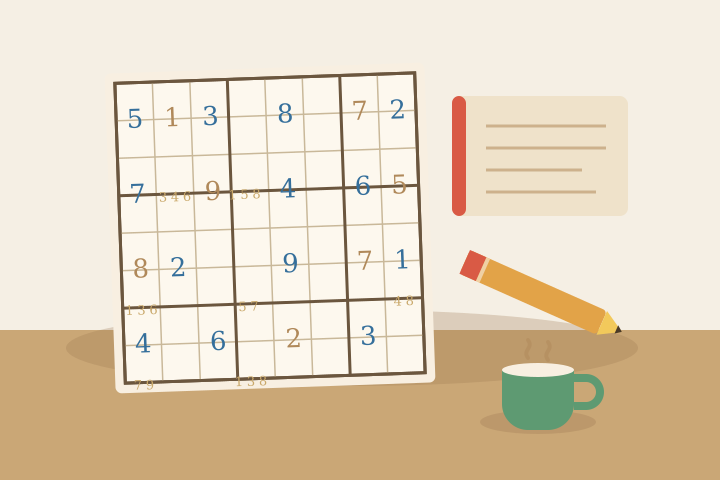
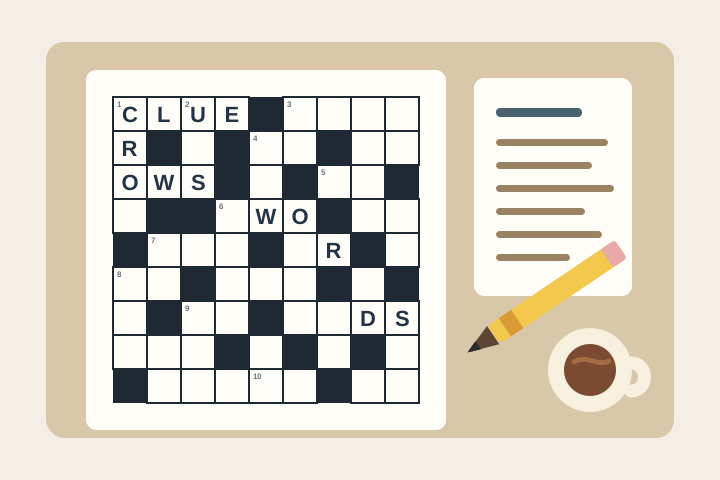
- Ten-minute resets: reading, journaling, crossword puzzles, origami, tea brewing, meditation, and language learning.
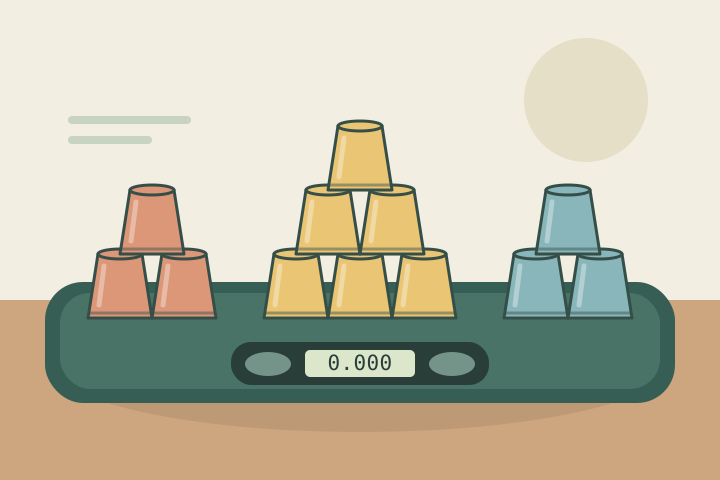
- Commute and gap fillers: podcasts, audiobooks, speedcubing, yo-yoing, knitting, and sketching on paper.
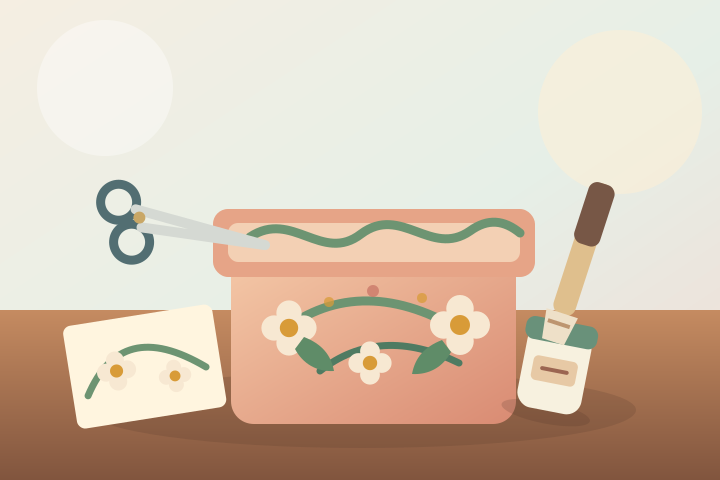
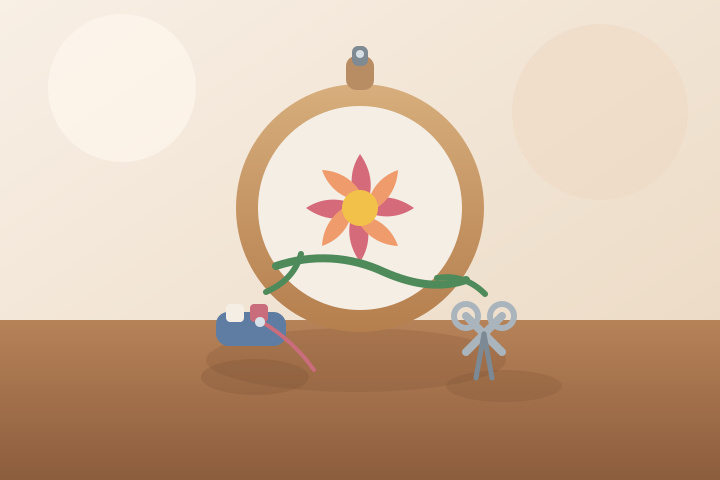
- Flexible projects: baking, sourdough, sewing, woodworking, model making, digital illustration, and video editing.
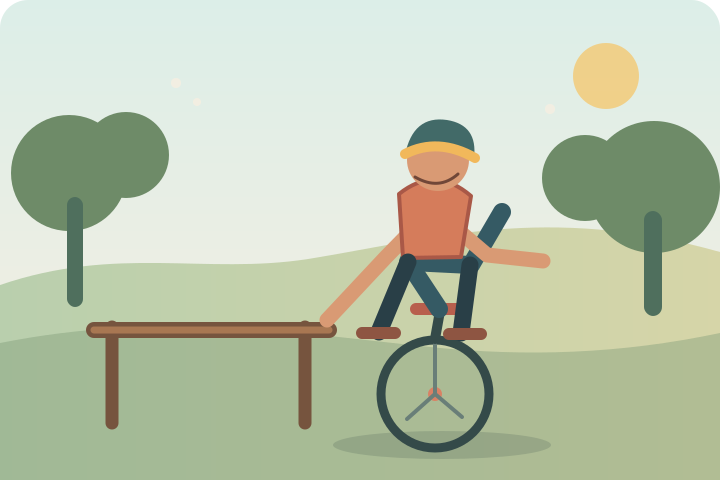
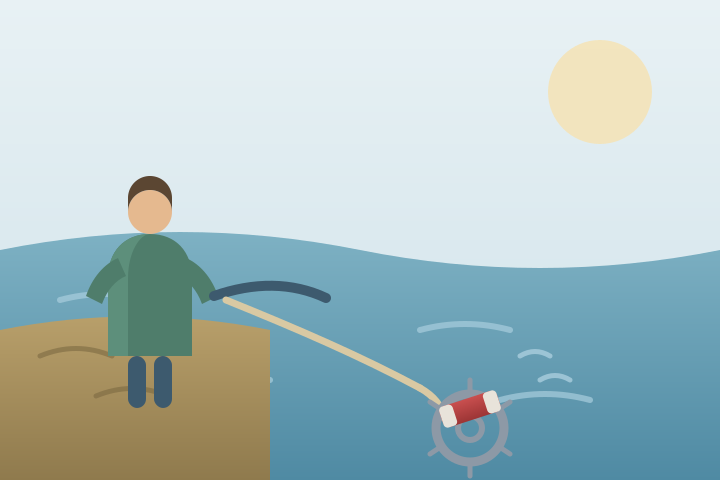
- Outdoor micro-breaks: walking, hiking, cycling, birdwatching, geocaching, fishing, and photography walks.
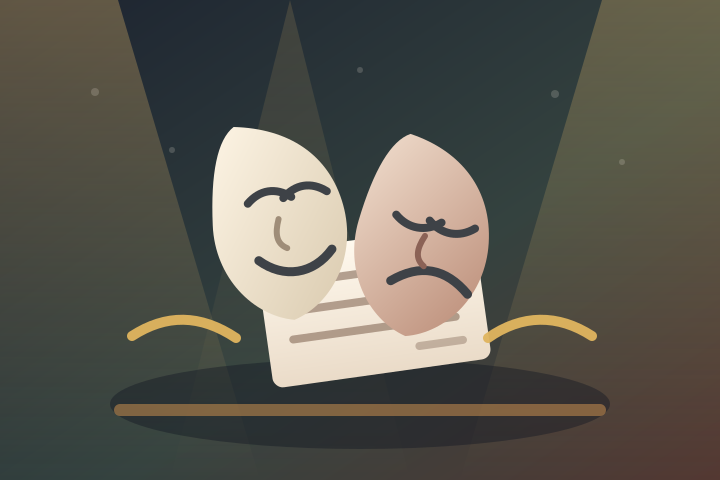
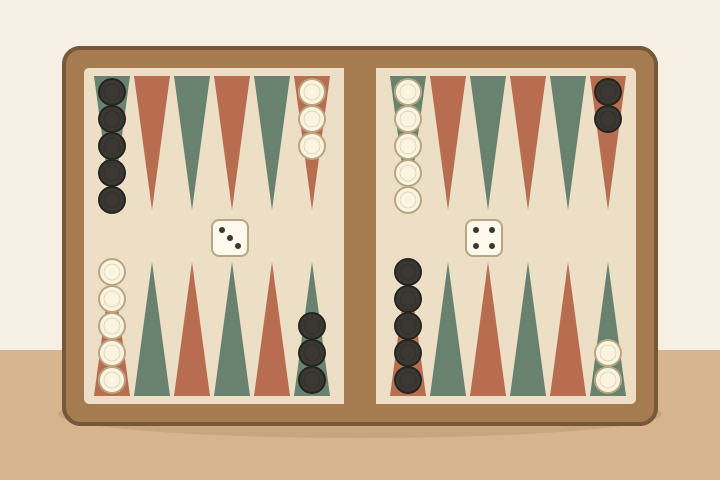
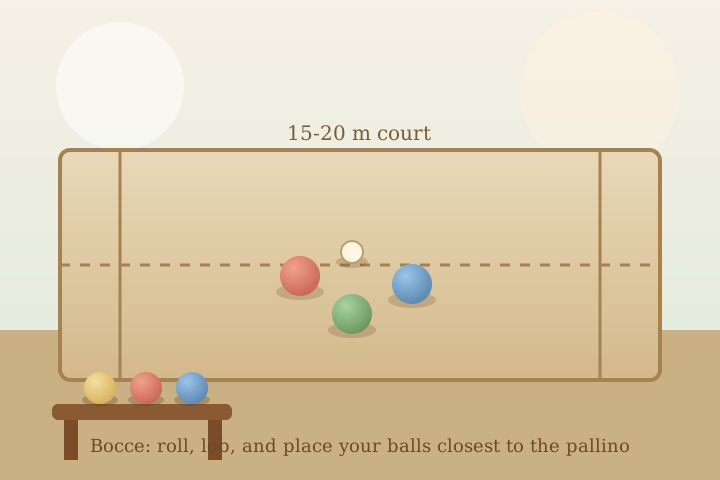
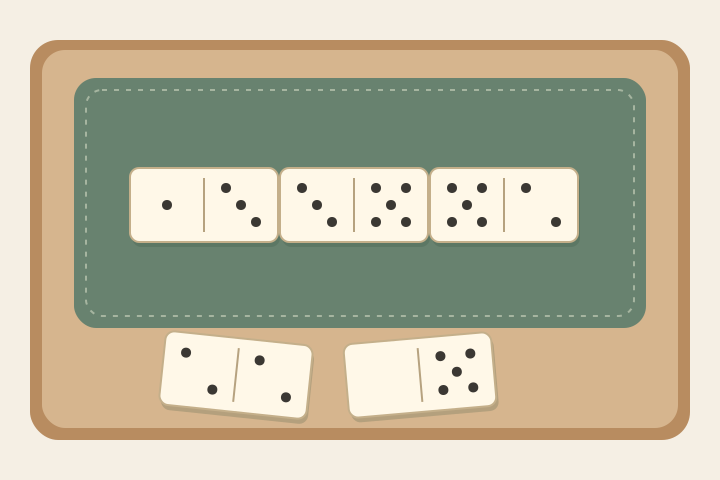
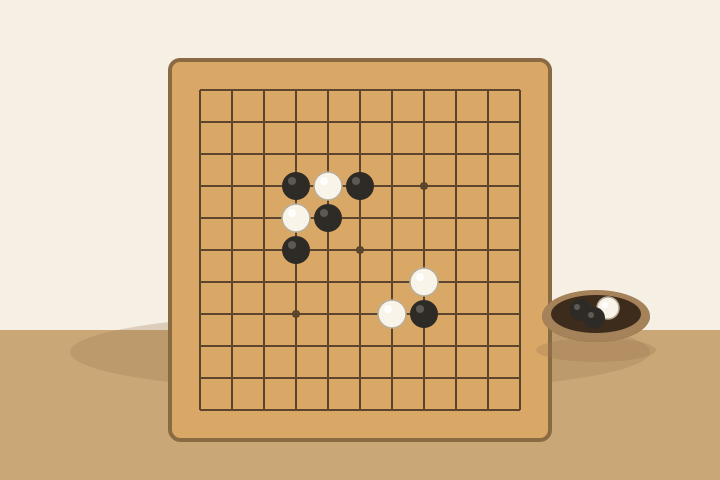
- Social anchors: board games, dance, pickleball, tennis, choir, improv comedy, and cooking with friends.
Keep the restart cost low
The busiest weeks are when a hobby dies, so design for the restart. Keep supplies in one visible place, choose projects with natural stopping points, and let a short session count as a win. If a hobby needs an hour of setup before it feels like itself, it will lose to the easier things on your plate.
When a season gets lighter, grow the hobby slowly: a bigger project, a class, a regular group, or better tools. A small habit that survives the busy months is worth more than an ambitious setup that only lasted the quiet ones.



.jpg?width=900)



.jpg?width=900)

.jpg?width=900)







.jpg?width=900)












.jpg?width=900)












.jpg?width=900)












.jpg?width=900)


.jpeg?width=900)





.jpg?width=900)