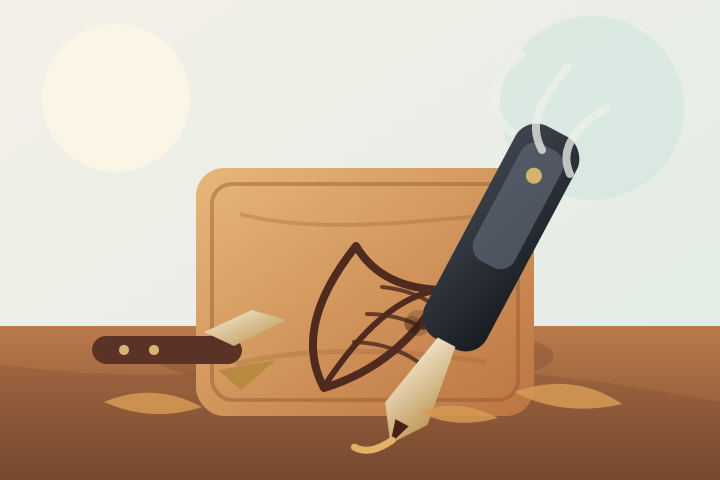
Choose for setup and storage
Small-space hobbies succeed when they respect the ordinary friction of home life. A hobby that fits in one box, one drawer, one bag, or one corner is much easier to repeat than one that takes over the room every time you start.
The useful test is simple: can you begin in five minutes and pack away in five minutes? If the answer is yes, the hobby has a much better chance of surviving busy weeks.
Good small-space patterns
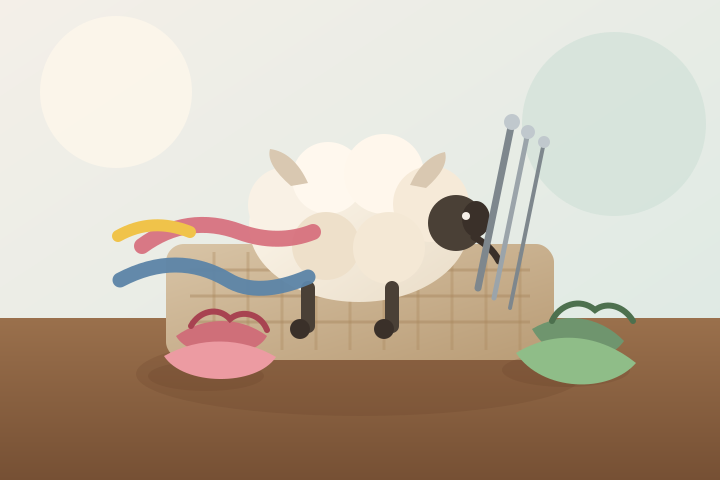
- Lap hobbies: journaling, knitting, crochet, reading-based study, compact music practice.
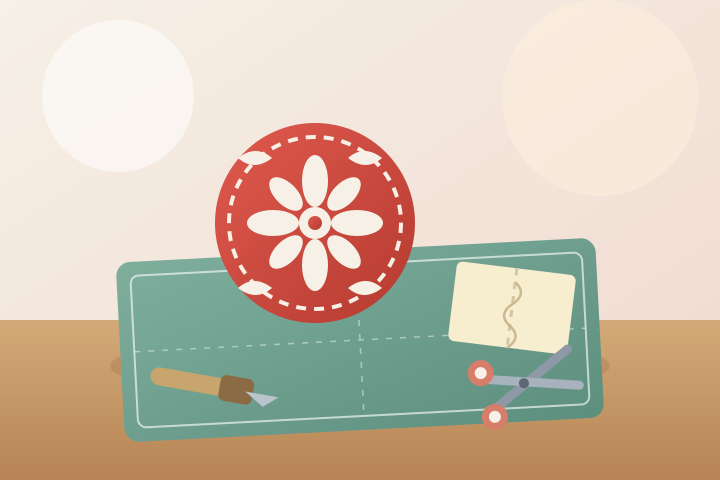
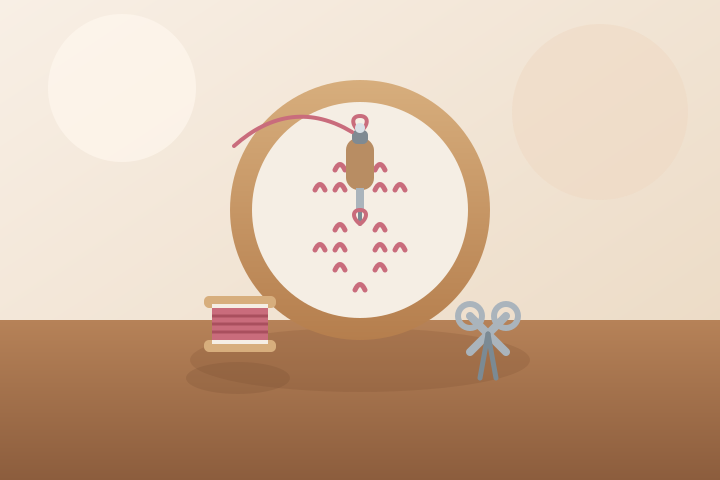
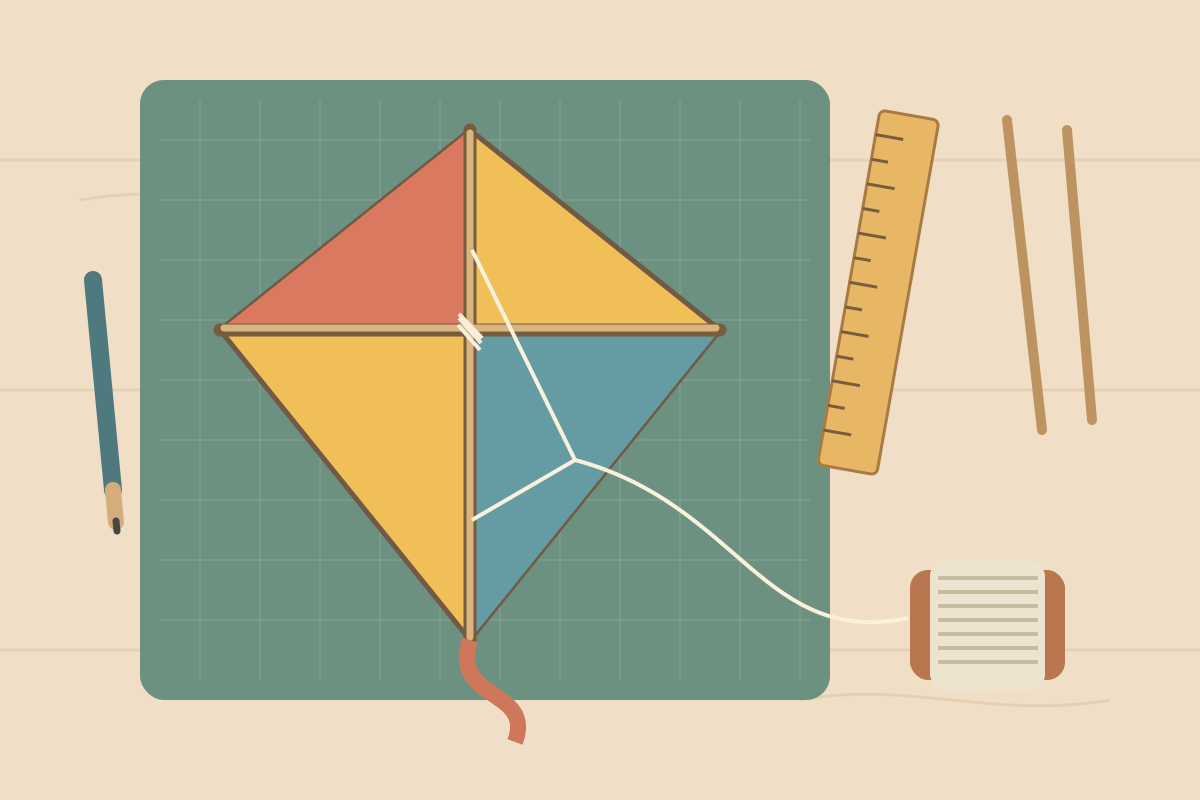
- Desk hobbies: drawing, calligraphy, origami, digital illustration, card making.
- Kitchen hobbies: small-batch cooking, coffee brewing, baking basics.
- Floor hobbies: yoga, pilates, stretching, light movement practice.
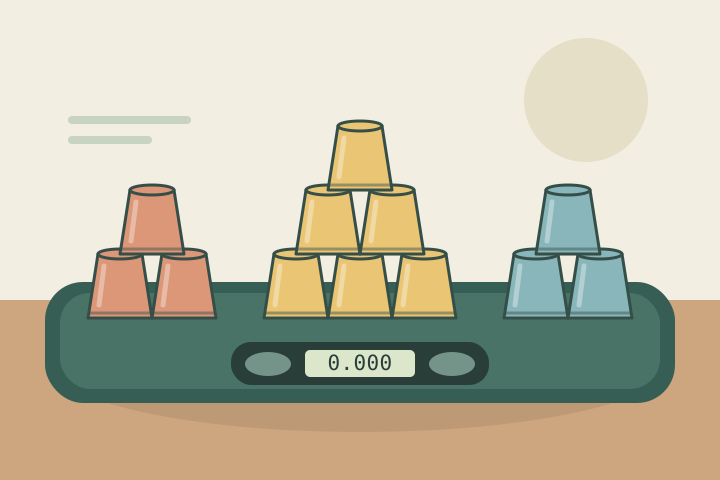
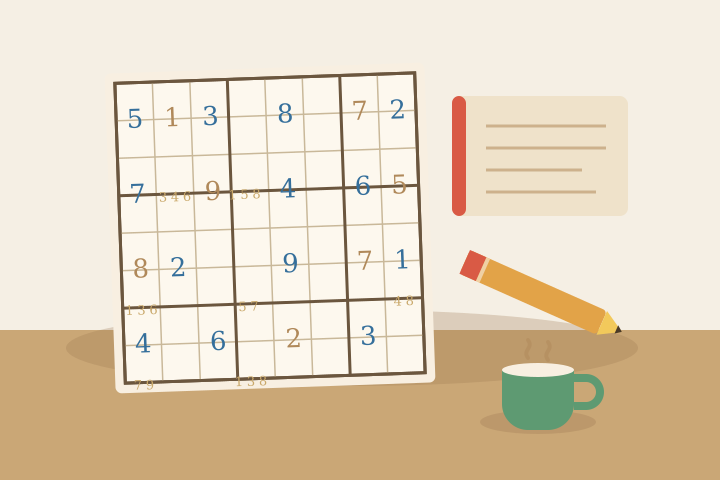
- Portable hobbies: photography, ukulele, sketching, magic tricks, puzzle-based games.
Storage matters more than square footage
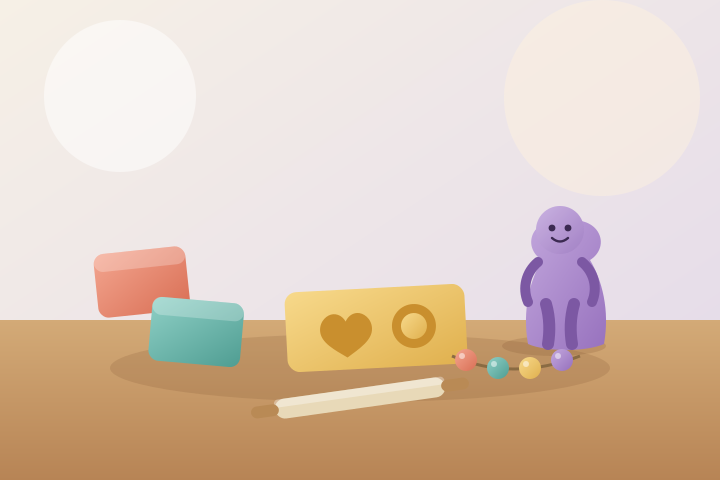
A tiny hobby can still become annoying if every session leaves loose parts everywhere. Pick a tray, pouch, tackle box, document folder, or lidded container early. The container becomes part of the habit because it lowers the cost of starting again.
If a hobby needs drying time, sharp tools, fumes, noise, or fragile work-in-progress, plan the storage before you buy the materials.












.jpg?width=900)











.jpg?width=900)

.jpg?width=900)




.jpg?width=900)












































.jpg?width=900)








.jpg?width=900)








.jpg?width=900)