Decide what kind of offline time you need
A screen-free hobby does not have to be old-fashioned or completely disconnected. The useful goal is to make the main activity happen with your hands, body, senses, tools, materials, people, or surroundings instead of through a glowing rectangle.
Start by noticing what the screen is replacing. If it is rest, choose something quiet and repeatable. If it is movement, choose a hobby that gets you standing, walking, stretching, or going outside. If it is social contact, choose a club, game, class, or shared project that puts other people in the room.
Good screen-free hobby patterns
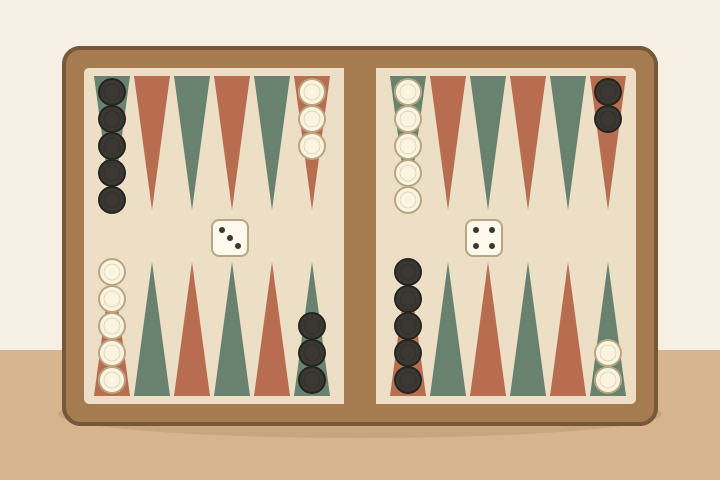
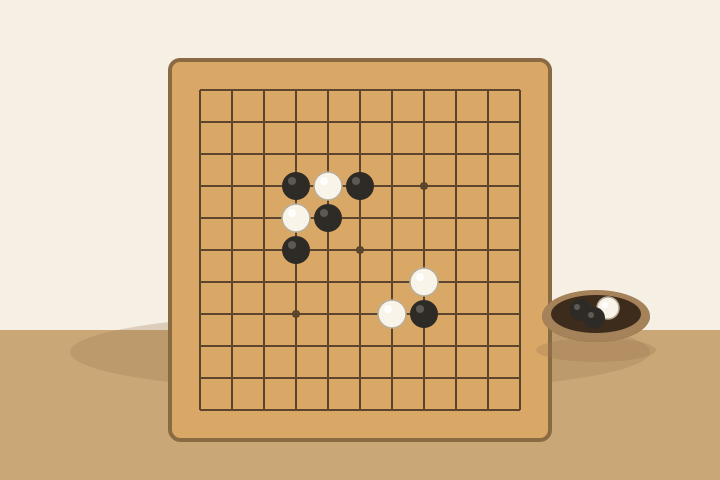
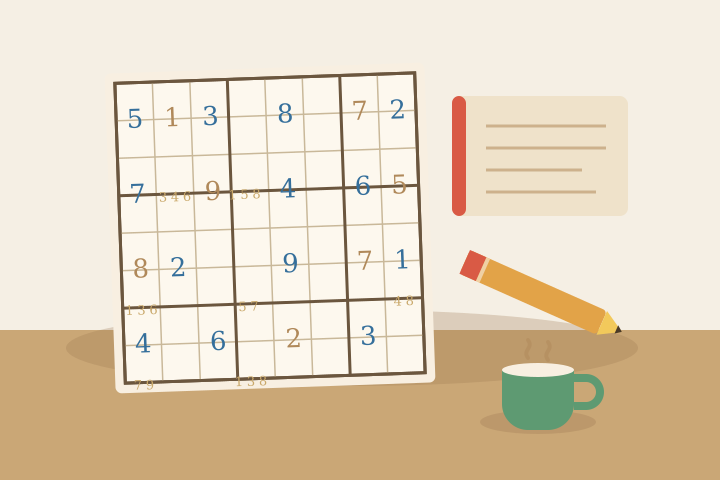
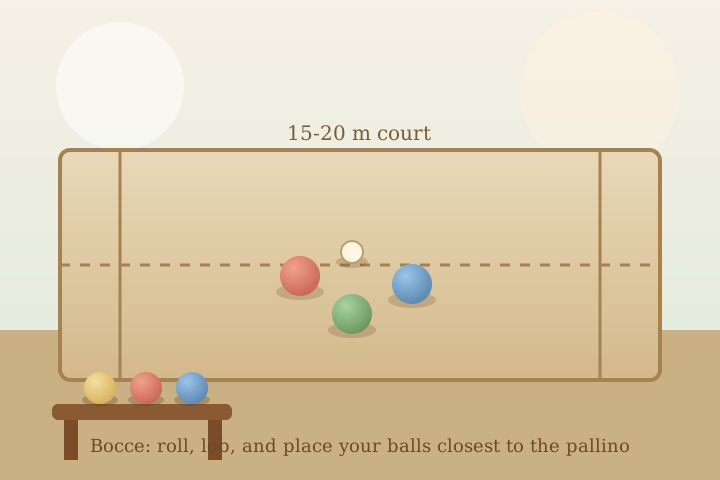
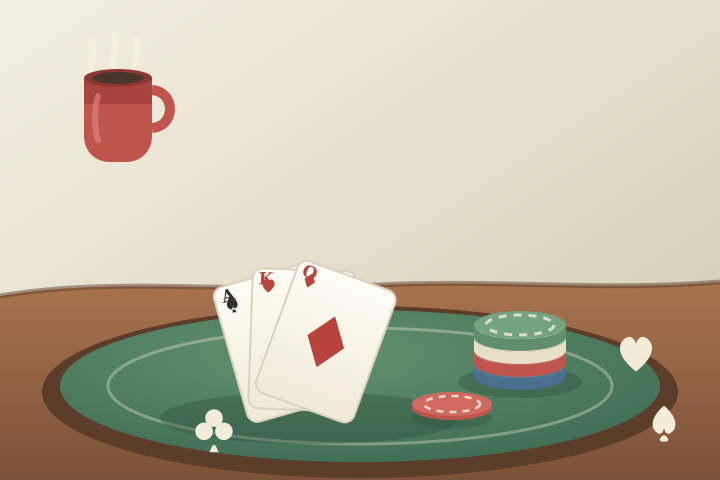
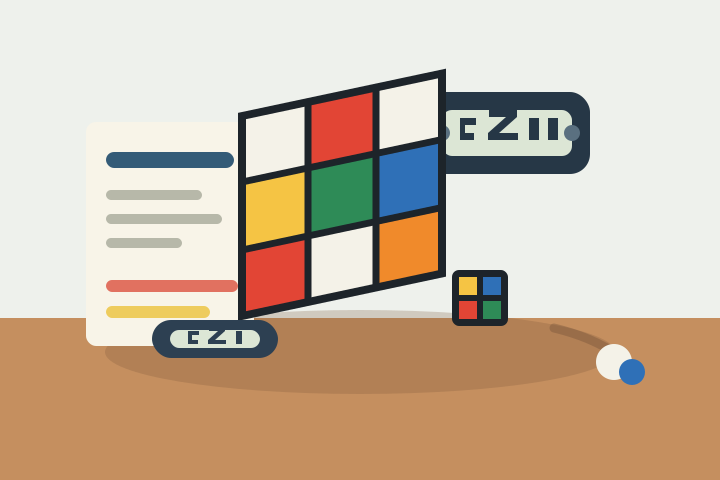
- Table hobbies: jigsaw puzzles, chess, board games, card making, calligraphy, drawing, origami, and miniature painting.
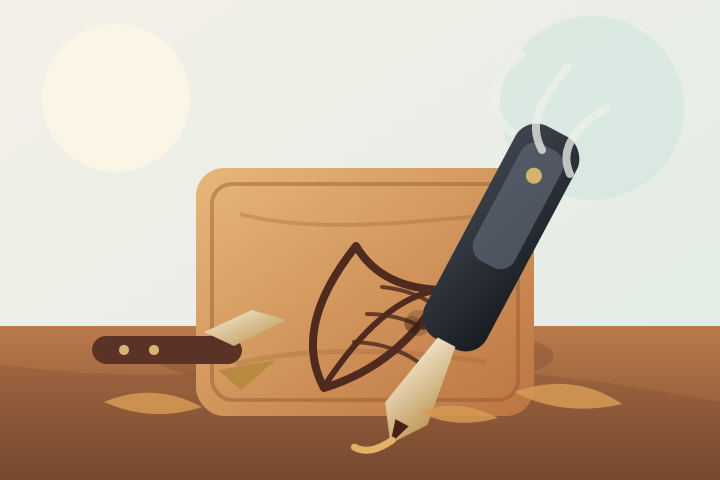
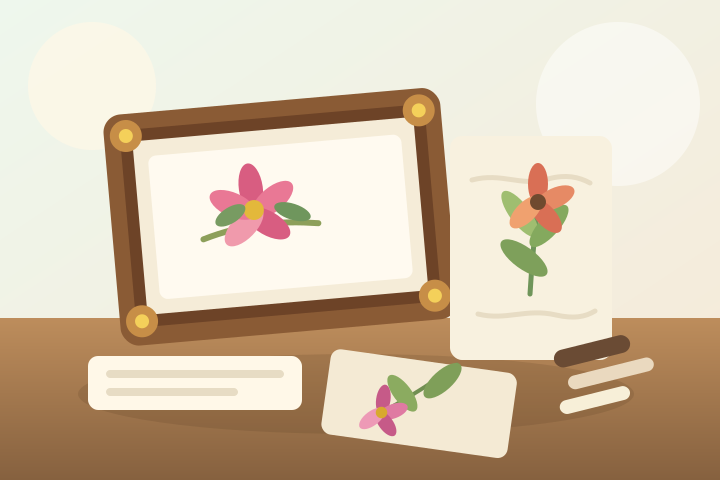
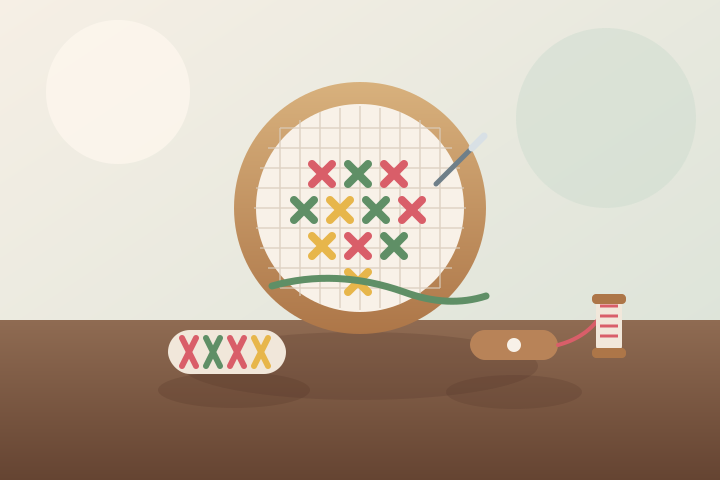
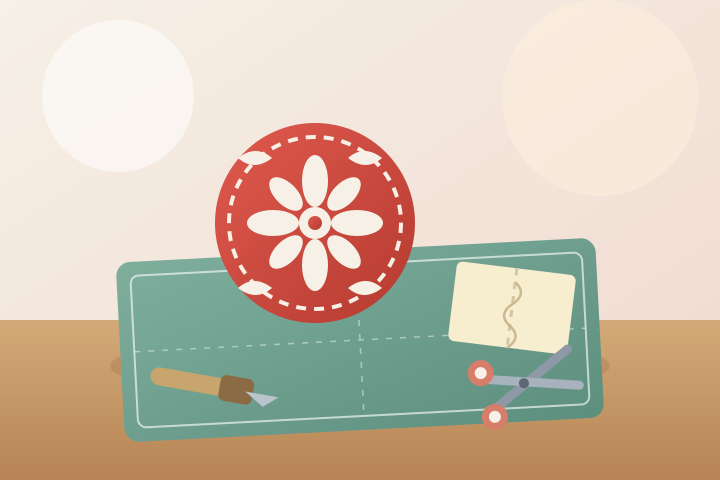
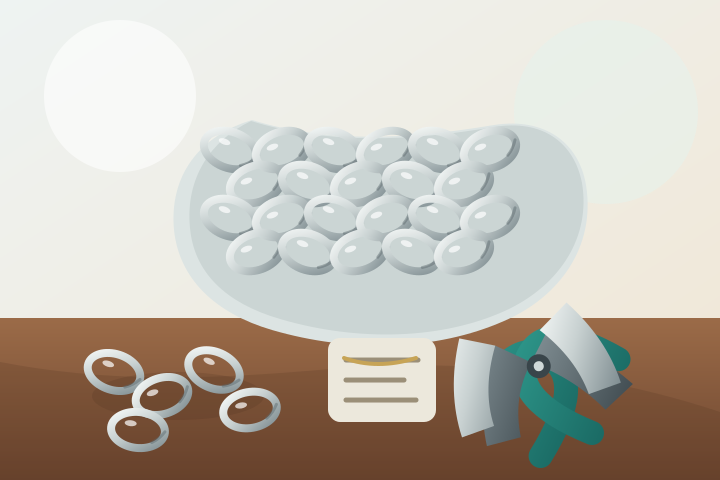
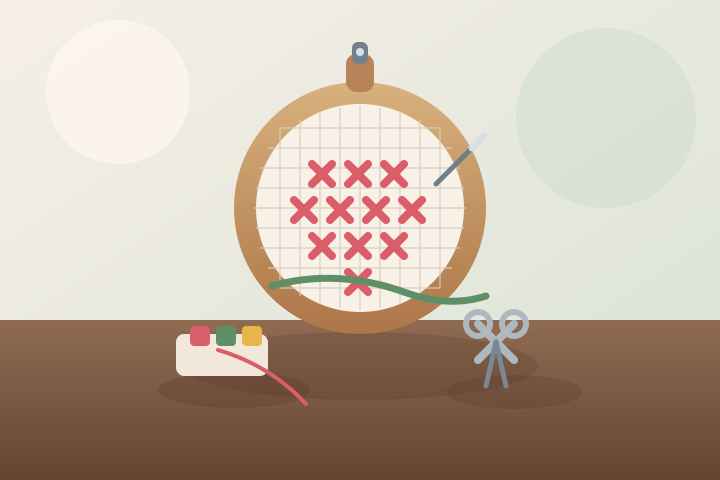
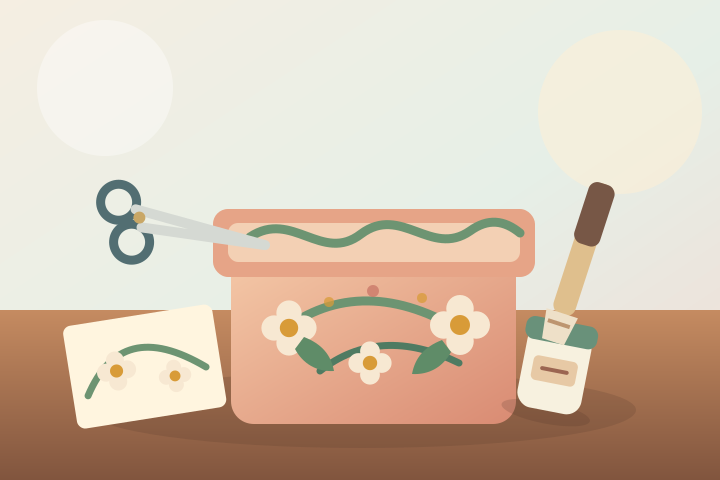
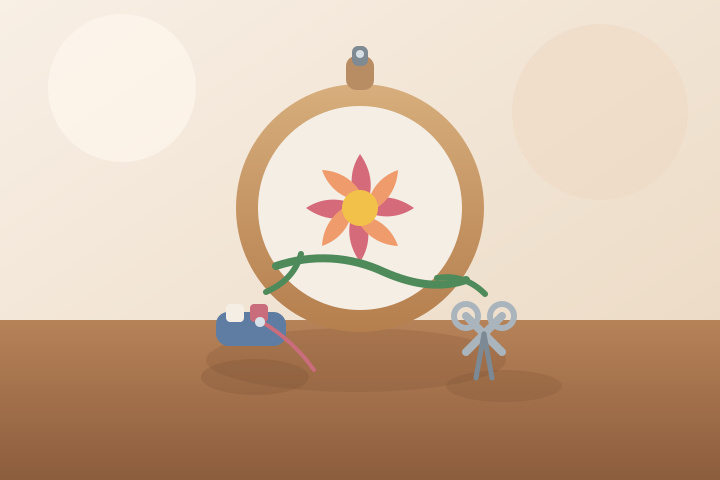
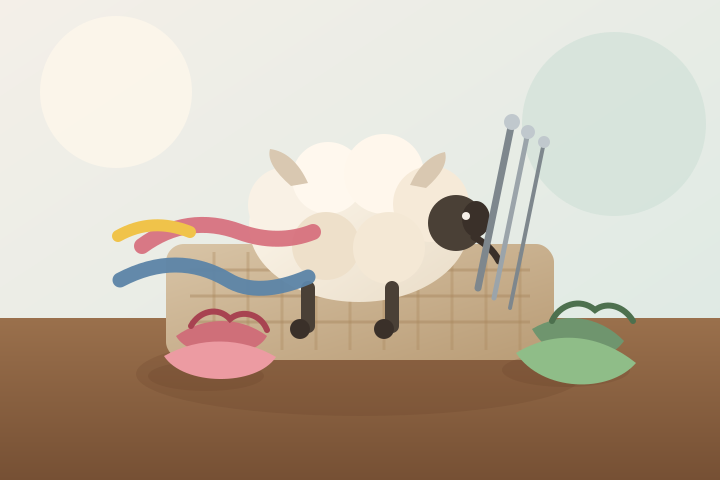
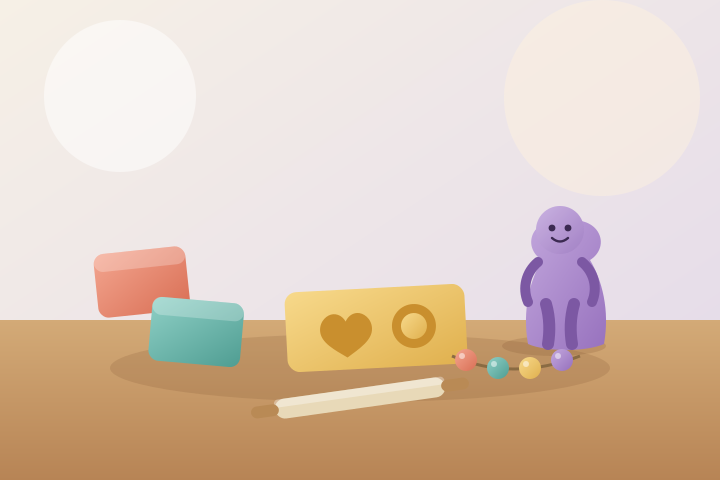
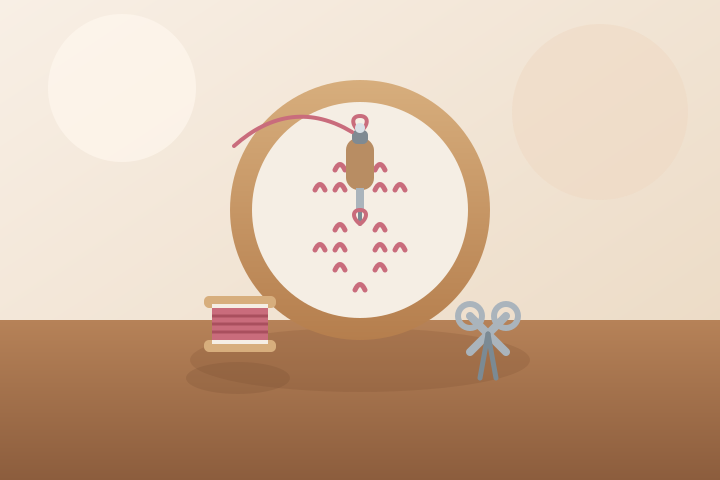
- Hands-on making: knitting, crochet, embroidery, flower pressing, wood burning, jewellery making, model making, and simple repair projects.
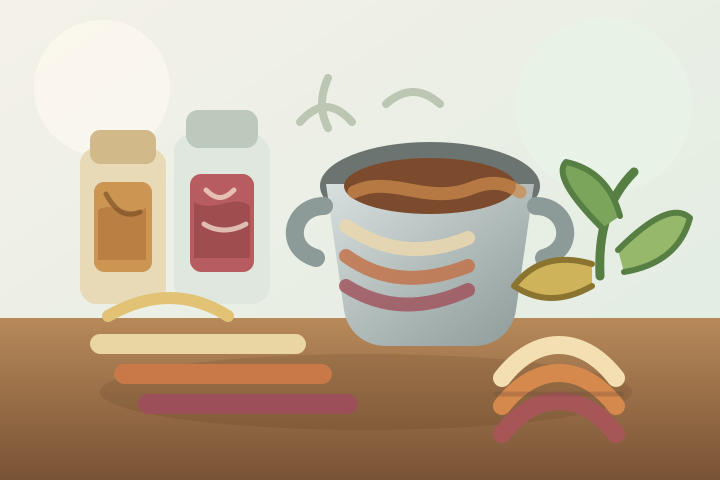
- Food and drink hobbies: baking, cooking, tea brewing, coffee brewing, mixology, fermenting, and cheese making.
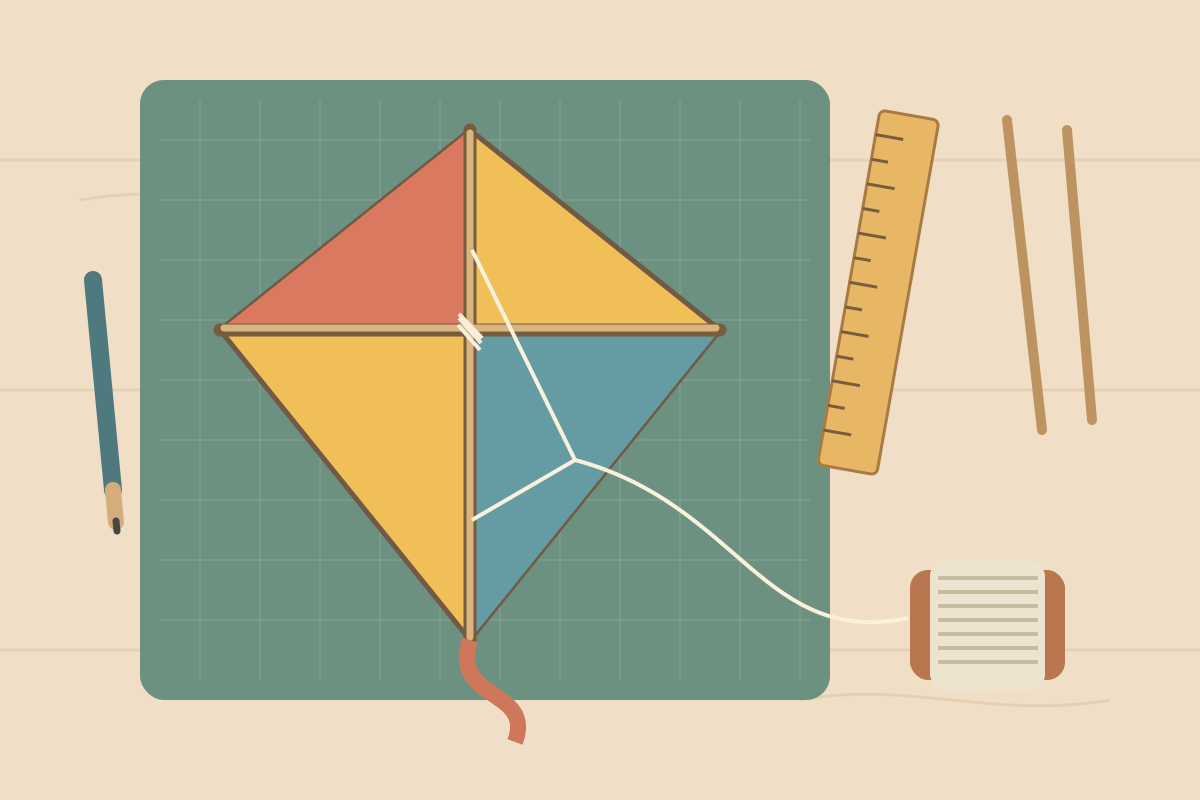
- Outdoor resets: birdwatching, hiking, geocaching with minimal phone use, gardening, kite flying, disc golf, and urban sketching.
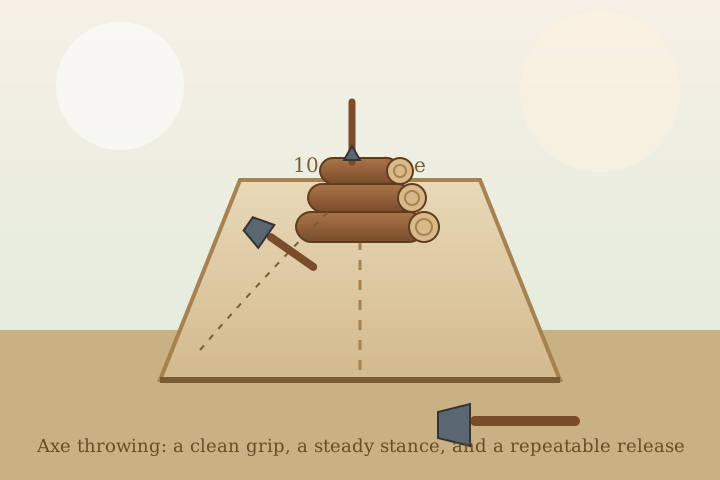
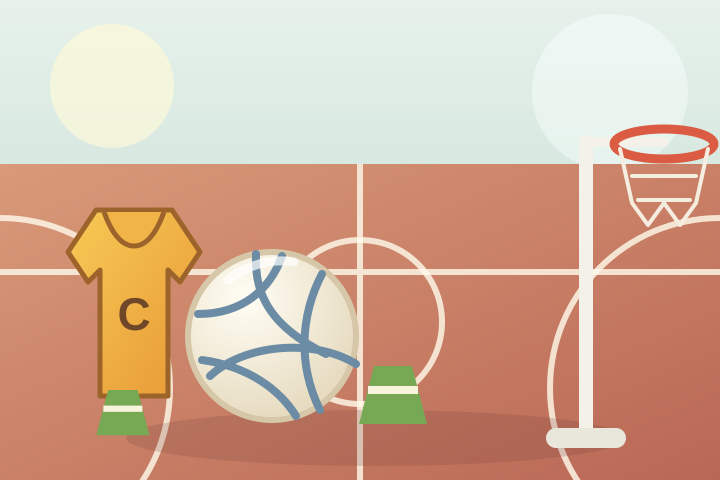
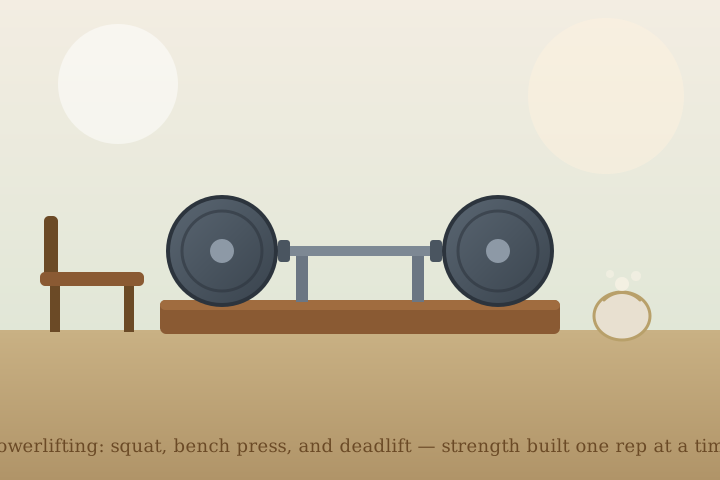
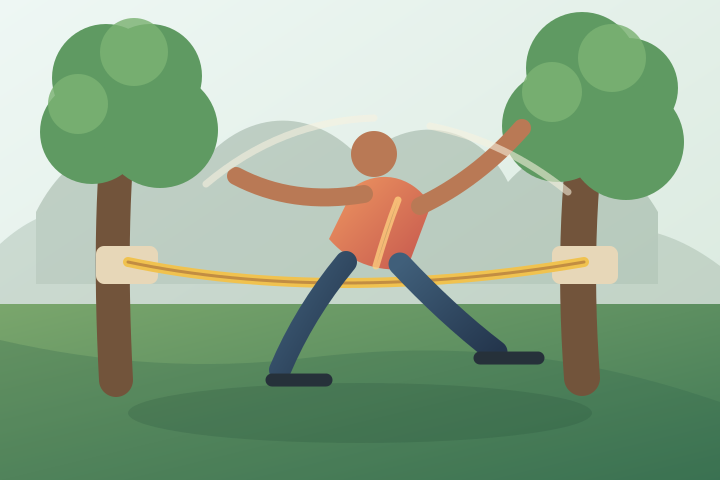
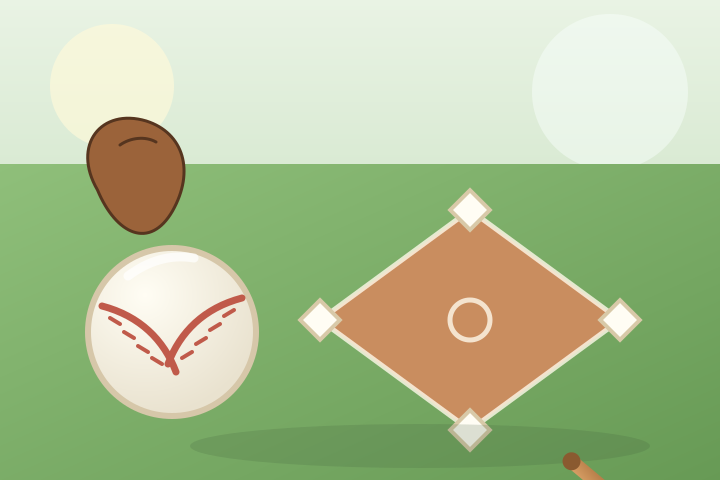
- Movement hobbies: yoga, dance, darts, bowling, martial arts, running, cycling, and beginner team sports.
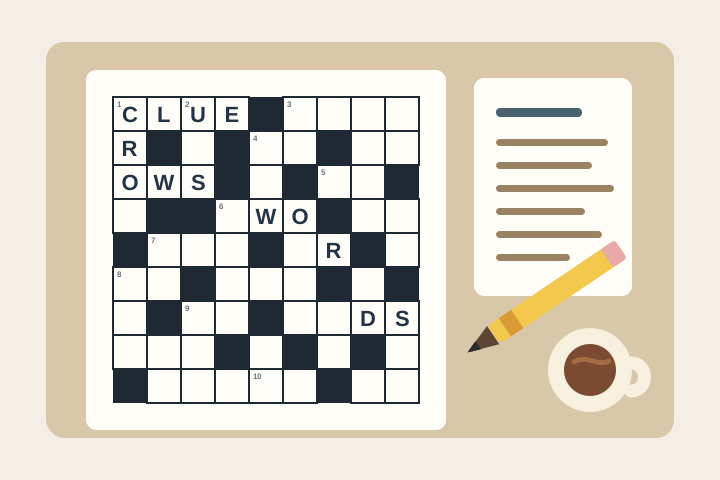
- Quiet attention hobbies: reading, journaling, meditation, crossword puzzles, language study from books, and music practice.
Keep screens useful but secondary
Some hobbies can use screens for instructions, maps, reference photos, safety checks, or community. That does not have to disqualify them. The boundary is whether the satisfying part of the hobby happens offline.
Try using screens only at the edges of the session: print a pattern, write the recipe down, download a route, check the weather, then put the device away. If you need a timer, camera, tuner, or emergency phone, set it up before you begin so it does not turn into browsing.
Make the first week obvious
Screen-free hobbies work best when the first step is waiting in plain sight. Leave a book on the chair, a puzzle on a tray, a sketchbook by the kettle, walking shoes near the door, yarn in a small bag, or a board game where people can reach it.
Do not start by replacing every evening. Pick one short slot and give it a clear finish line: one page, one row, one recipe, one walk, one puzzle section, one song, or one small repair. A modest offline routine is easier to keep than a strict digital detox that collapses after two days.






.jpg?width=900)




.jpg?width=900)





.jpg?width=900)











.jpg?width=900)








.jpg?width=900)








.jpg?width=900)









.jpg?width=900)




.jpg?width=900)




.jpg?width=900)