Choose for mixed ages, not the average age
Family-friendly hobbies work best when everyone has a real role, even if the roles are different. A younger child might sort pieces, stir batter, spot birds, choose colours, or keep score while an older child or adult handles sharper tools, heat, travel planning, or longer instructions.
Instead of choosing one activity for an imaginary average family member, choose a hobby that can stretch. Look for simple entry points, optional depth, short stopping points, and room for people to participate side by side without doing exactly the same task.
Good family-friendly hobby patterns
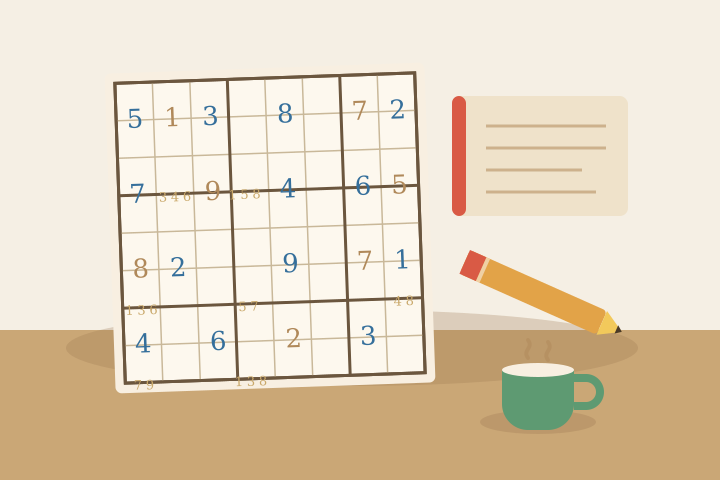
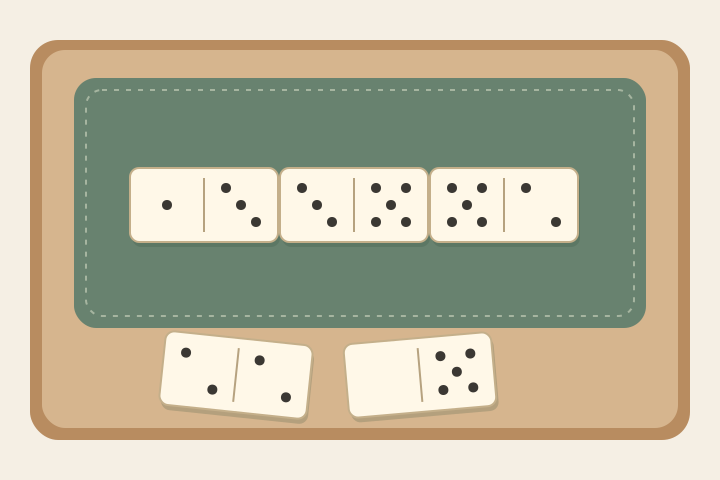
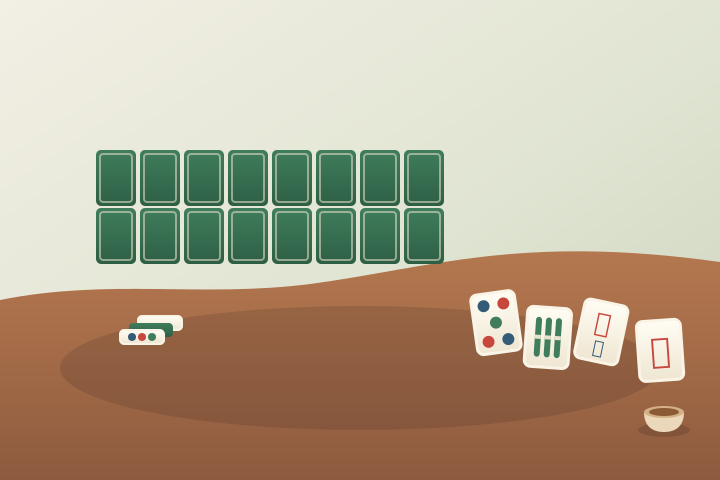
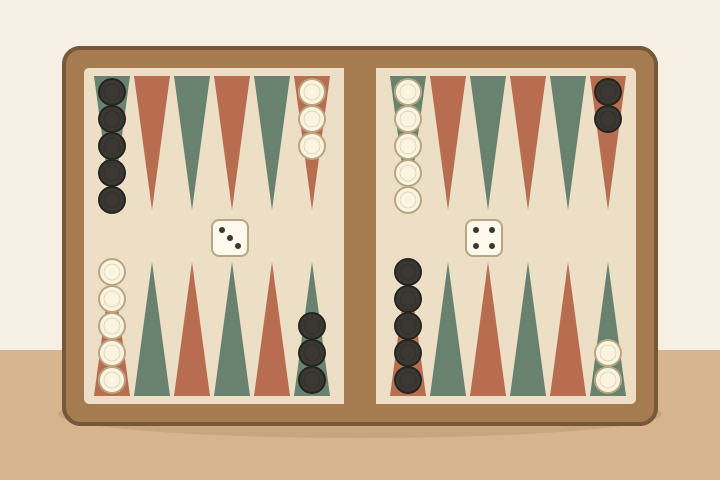
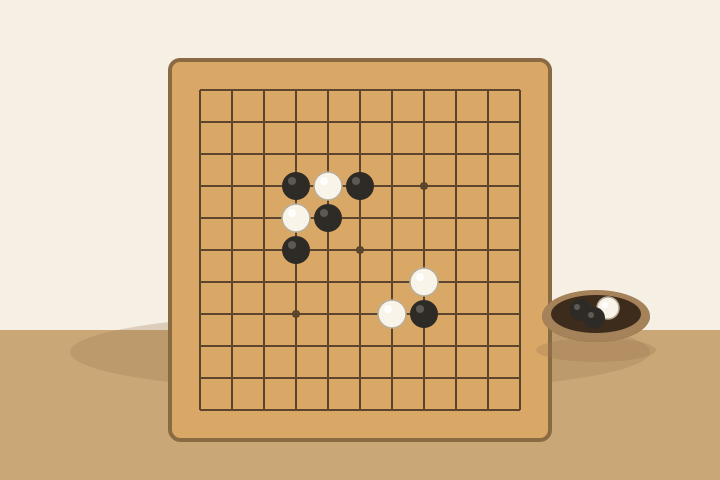
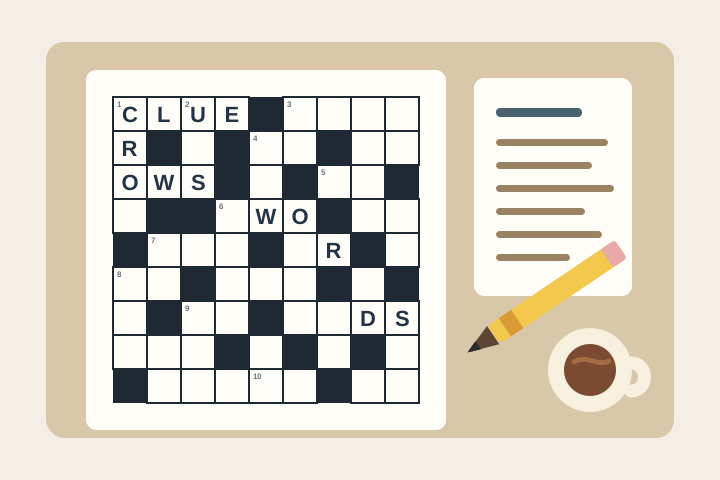
- Table activities: board games, chess, jigsaw puzzles, card games, drawing, origami, calligraphy, and miniature painting.
- Kitchen projects: baking, cooking, tea brewing, simple fermenting, and seasonal preserving with adult supervision.
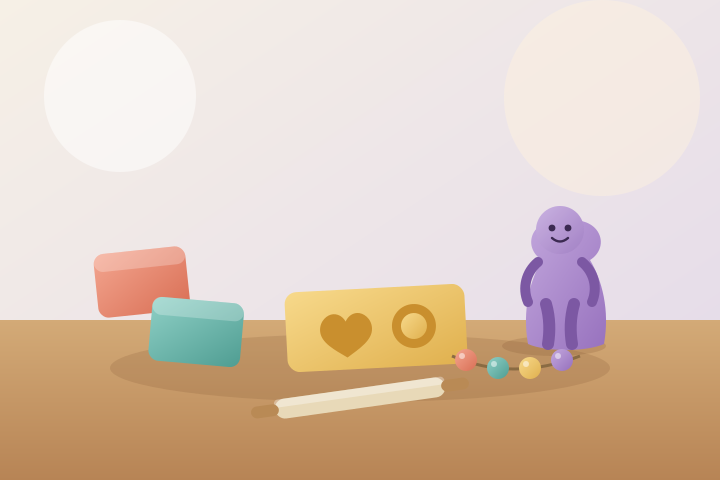
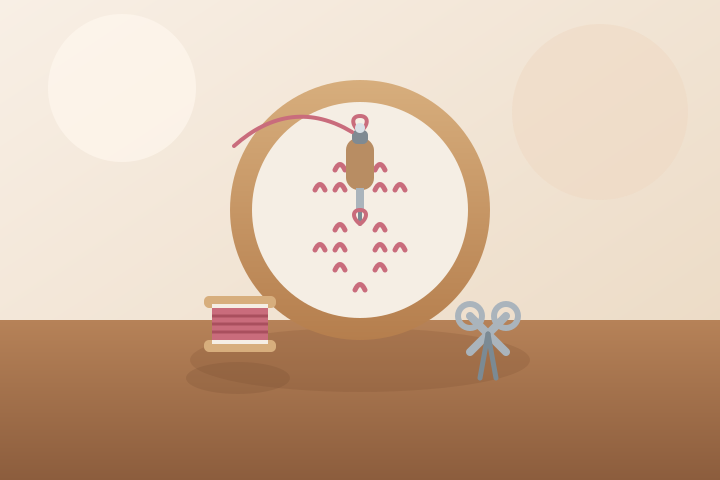
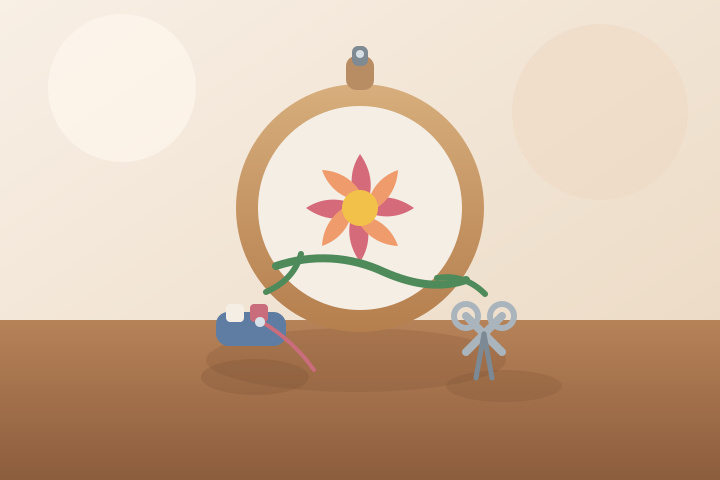
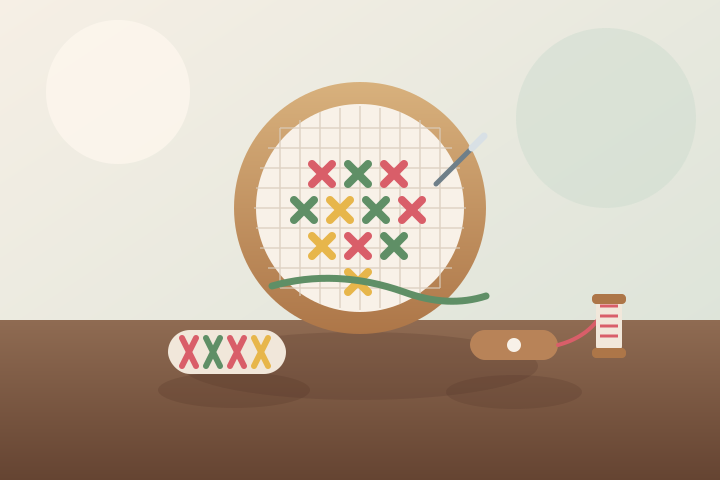
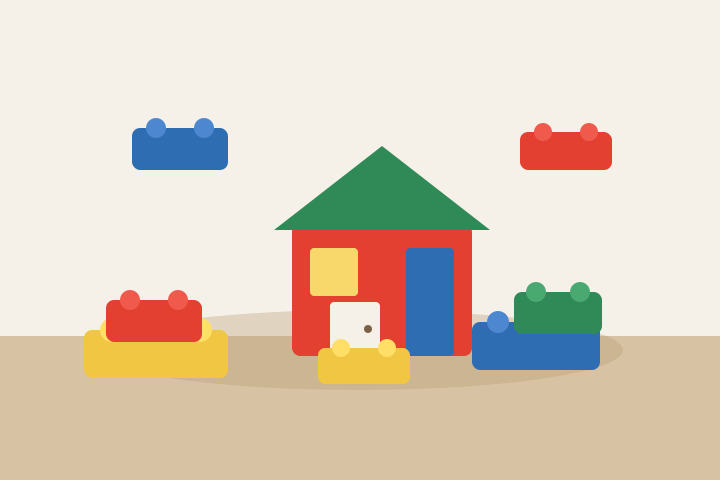
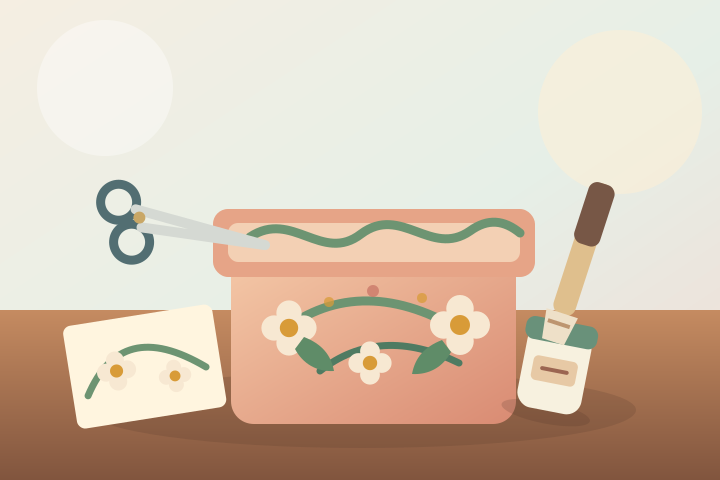
- Creative making: Lego building, crochet, embroidery, model making, flower arranging, candle painting, paper quilling, and scrapbooking.
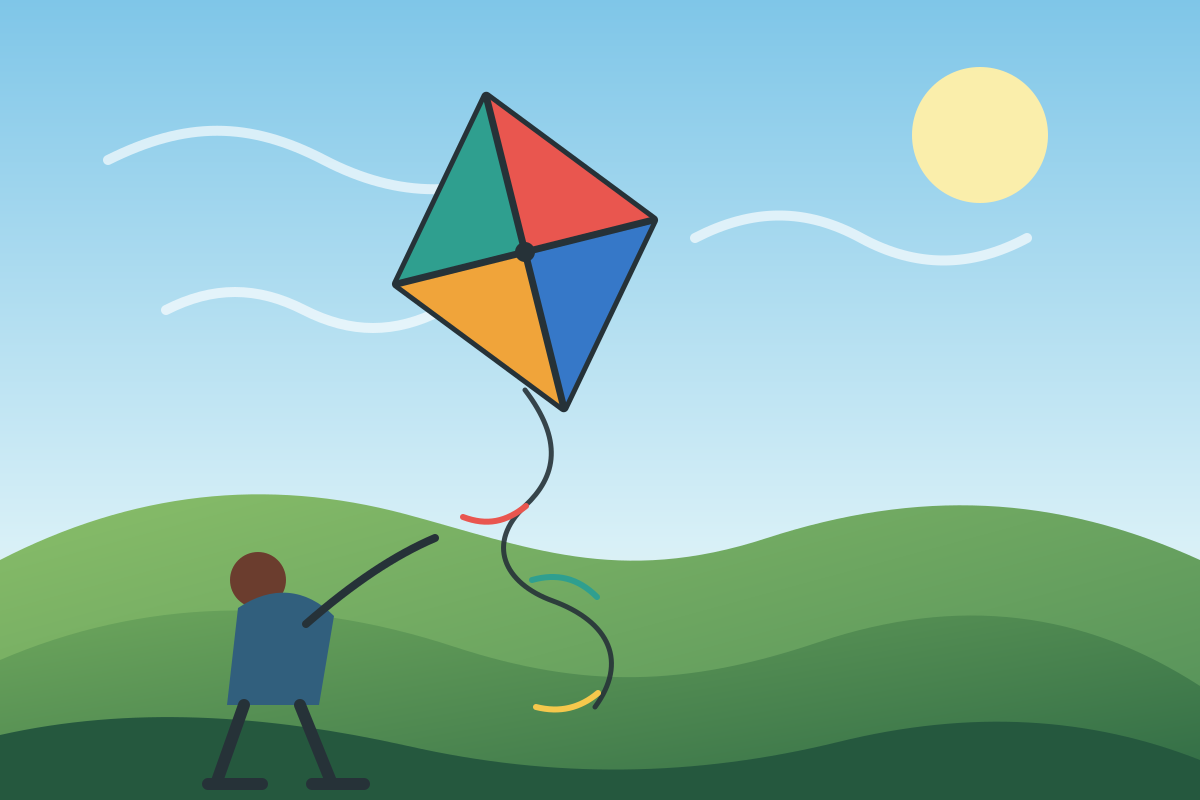
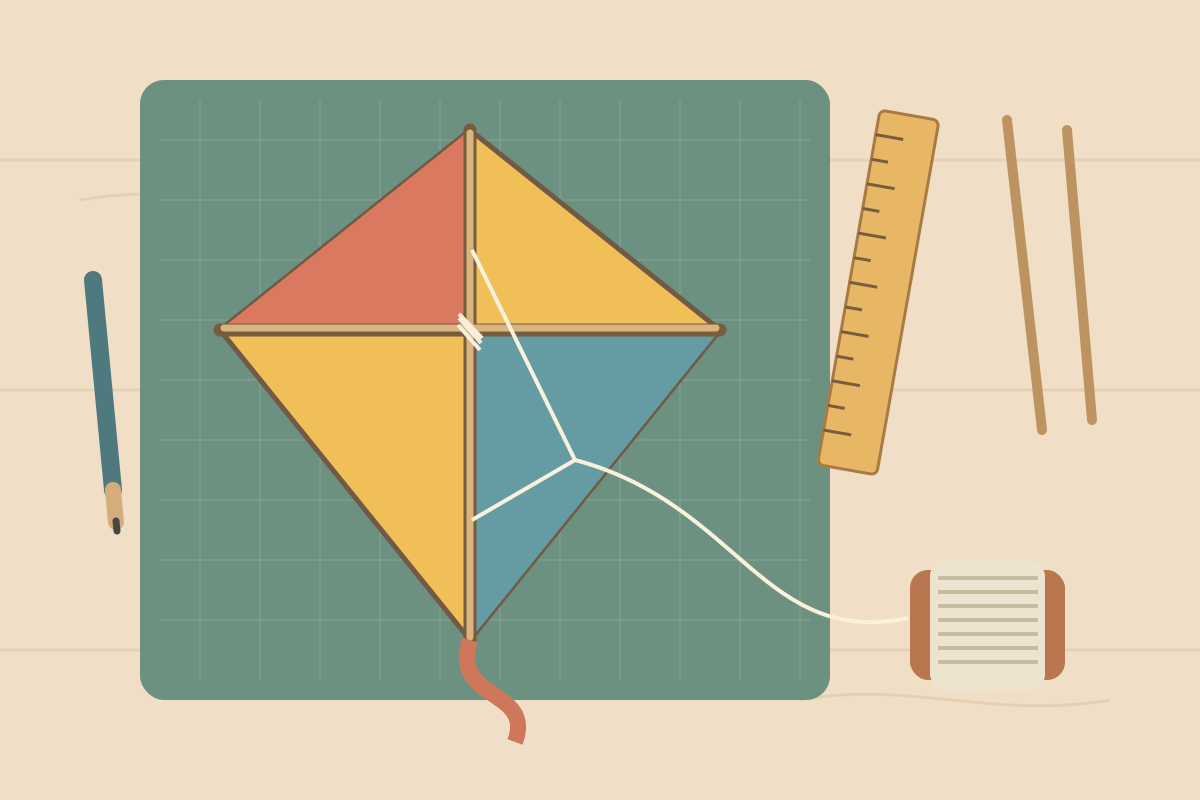
- Outdoor routines: birdwatching, gardening, hiking, kite flying, geocaching, disc golf, cycling, and photography walks.
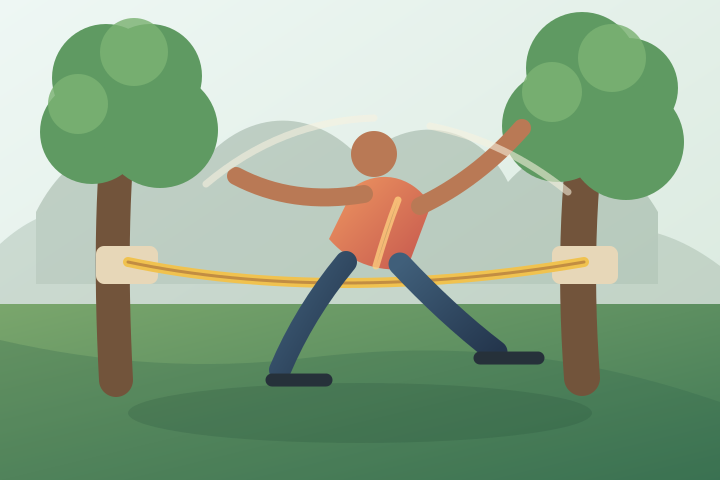
- Movement together: dance, swimming, bowling, badminton, pickleball, basketball, yoga, and beginner martial arts classes.
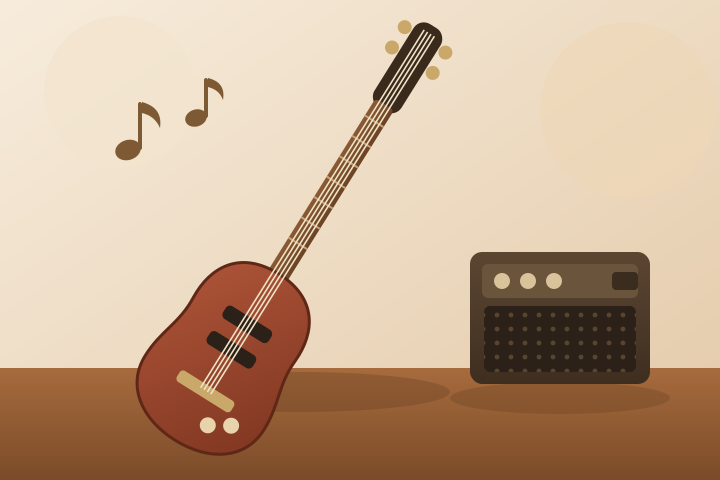
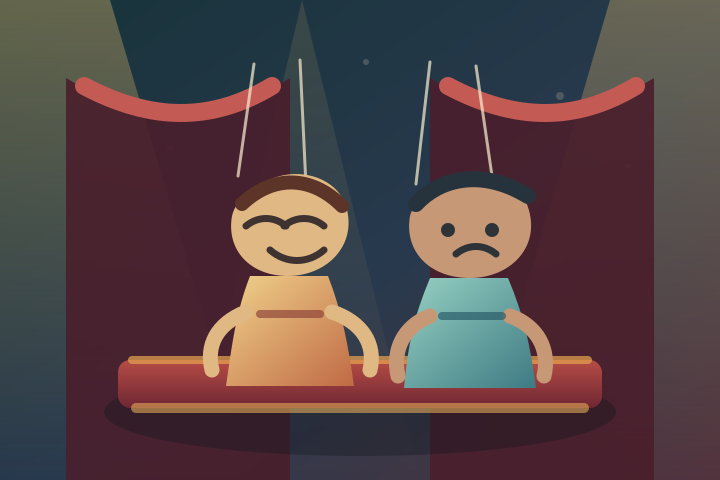
- Shared performance: choir, guitar, piano, puppetry, magic tricks, improv games, and simple home theatre projects.
Keep the first session easy to join
The first family session should have a clear setup, a visible finish line, and a way for tired or younger participants to step back without stopping the whole activity. A puzzle can stay on a tray, a walk can have a short loop, a baking session can use one recipe, and a game night can start with the quickest game.
Avoid turning the first attempt into a lesson, competition, or productivity project. Let people try small jobs, swap roles, and leave room for partial participation. A hobby becomes repeatable when it feels like shared time, not a test of patience or skill.
Match the hobby to the household
For apartments, choose hobbies that store cleanly: drawing, reading aloud, board games, crochet, origami, music practice with headphones, or small craft kits. For outdoor access, use low-cost routines like walking routes, birdwatching, gardening, kite flying, or disc golf.
If ages, mobility, or energy levels vary widely, pick hobbies with parallel versions. One person can sketch while another takes photos, one can knead dough while another reads the recipe, and one can walk a shorter loop while others continue. The goal is a shared rhythm that people can return to without needing the same ability, budget, or attention span.


.jpg?width=900)




.jpg?width=900)






.jpg?width=900)

.jpg?width=900)











.jpg?width=900)



.jpg?width=900)






.jpeg?width=900)


.jpg?width=900)












.jpg?width=900)








.jpg?width=900)



.jpg?width=900)











.jpg?width=900)



























.jpg?width=900)

.jpg?width=900)