Choose by room and reset time
Choose an at-home hobby by the space you can use, your budget, acceptable noise, available equipment, and time to set up and clear away. Kitchen, sofa, desk, floor, music, and craft activities have different practical needs; the right fit depends on your household. Check lighting, comfortable posture, grip demands, and whether a seated option suits the activity and your needs.
Before choosing, consider preparation, active practice, cleanup, and any drying or waiting period separately. Waiting may continue after your practice ends and still occupy shared space; check whether the process can safely be left unattended. Ask: What needs setting out? When can I pause? What must be cleaned or put away before I stop? Where can unfinished work remain? A small kit, tray, shelf, mat, or familiar corner may make repeat sessions more practical, depending on the activity.
Good at-home hobby patterns
- Table hobbies: jigsaw puzzles, board games, chess, drawing, calligraphy, origami, card making, and miniature painting. For a first drawing project, sketch an object you already own. Essential supplies: paper and a pencil; optional purchases: a sketchbook or specialist pencils. Workspace: a comfortably lit surface with room for the paper and object. Storage: a folder and a place for the pencil. Setup and cleanup: arrange the materials, then store the drawing and clear any shavings or eraser debris. For a first origami project, follow a simple fold using a square of paper. Essential supply: paper; optional purchase: specialist origami paper. Workspace: a clear folding surface. Storage: somewhere flat for spare paper and a protected spot for the finished fold. Setup and cleanup: choose instructions and paper, then collect scraps and put away unused sheets.
- Kitchen hobbies: baking, cooking, tea brewing, coffee brewing, fermenting, and simple preserving.
- Potentially quiet hobbies: reading, journaling, meditation, crossword puzzles, language learning, knitting, and crochet. Consider the version you intend to practise: spoken language exercises or audio can affect others in a shared room. For a first journaling project, write a short entry about your day. Essential supplies: paper and a pen or pencil; optional purchase: a dedicated journal. Workspace: a comfortable seat and writing support with suitable lighting. Storage: a folder or drawer, with privacy considered. Setup and cleanup: set out the writing materials, then put away the entry and pen or pencil.
- Movement hobbies: yoga, pilates, stretching, tai chi, and dance practice. Assess clear movement space and whether footsteps or accompanying audio will disturb others. Music practice: singing, ukulele, and guitar. Assess sound reaching other rooms, suitable practice times, and instrument storage separately from the space needed to practise.
- Making hobbies: embroidery, paper quilling, flower pressing, candle painting, soap making, model making, and Lego building. For a first Lego project, build a small freestanding shape with bricks you already have. Essential supplies: suitable bricks; optional purchase: a new set or dedicated organiser. Workspace: a clear surface where pieces can stay contained. Storage: a closed container for loose pieces and a protected spot for unfinished work. Setup and cleanup: select the pieces, then collect loose bricks and clear the shared surface. Check age suitability and keep small pieces away from children or pets who could swallow them.
- Media hobbies: stop-motion animation, podcasting, digital illustration, photography editing, creative writing, and music recording.
Match the hobby to your household
Assess workspace, interruption tolerance, noise, and pack-away needs separately. A small working footprint does not automatically mean quiet practice or easy storage. In a shared room, consider when the surface is needed again, whether you can pause safely, how sound affects others, and where fragile or unfinished work can stay out of walkways. If you live alone, a visible reminder may help you return to the hobby, provided supplies and unfinished work can remain safely stored.
Pets, children, housemates, ventilation, drying time, sharp tools, and late-evening noise all matter, but the checks depend on the activity. Before fermenting or preserving, research authoritative food-safety guidance for the exact food and method, including its storage requirements; the label 'simple preserving' does not replace those checks. Before soap making, identify the method and consult authoritative safety guidance and the instructions for the actual ingredients and equipment. Before miniature painting or model making, check the instructions and safety information for the paints, adhesives, finishes, and tools you intend to use, including any ventilation, protective equipment, handling, and storage requirements. Resolve those requirements before starting, and plan how children and pets will be kept away from materials and unfinished work. These activities should not be treated as equally suitable for an immediate beginner trial.
Make the first version easy to repeat
Plan the first session with this template: My activity from the list is ____. Supplies I already have are ____. Any missing essentials are ____; optional purchases can wait. My small task is ____. Relevant safety checks are ____. I will stop at ____. Cleanup will involve ____. Supplies and unfinished work will be stored ____. For example, a drawing session could use paper and a pencil already available to sketch one household object, stop after the outline, and finish by putting the drawing in a folder and clearing the surface.
If two hobbies sound equally appealing, consider the one whose supplies, workspace, stopping point, and storage you can already arrange. Try it tonight only if you have completed the relevant safety checks and can meet the activity's requirements. Otherwise, make the first session a planning session: research the method, identify missing essentials, and decide where the work can safely take place.
182 guides
Hobbies in this article
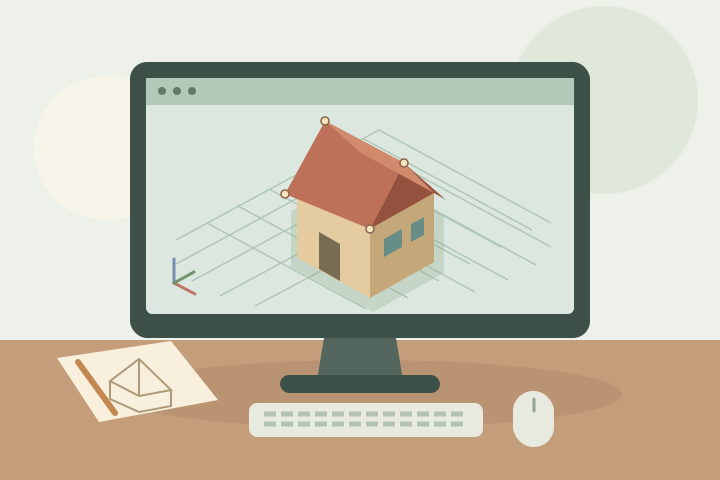 3D Modelling
Build digital objects, characters, and miniature worlds by shaping simple forms, refining details, and experimenting with colour and light.
- Difficulty
- 3 out of 5
- Cost
- 2 out of 5
- Space
- 1 out of 5
- Social
- 2 out of 5
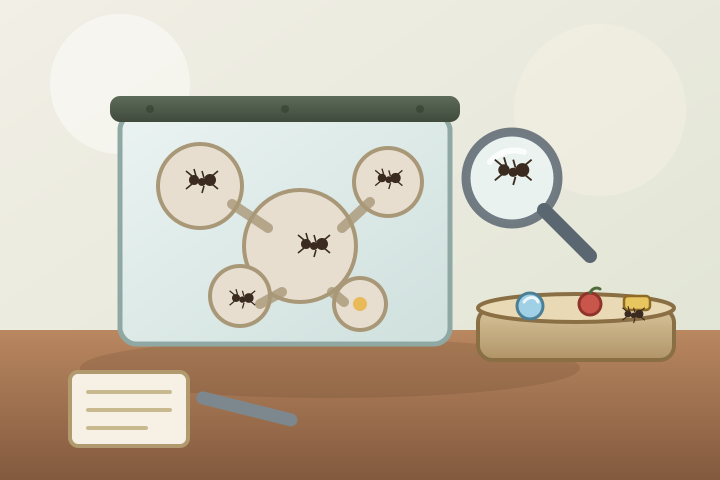 Ant Keeping
Build and maintain a formicarium, then observe a colony's life through careful feeding, humidity, temperature, and patient watching.
- Difficulty
- 2 out of 5
- Cost
- 2 out of 5
- Space
- 1 out of 5
- Social
- 2 out of 5
 Audio Drama Production
A key turns in a lock. Someone inside whispers, “You kept it?” With one sound and three words, a listener can picture a reunion or a break-in. Try performing the line both ways and hear how the story changes.
- Difficulty
- 3 out of 5
- Cost
- 1 out of 5
- Space
- 1 out of 5
- Social
- 3 out of 5
 Audiobook Narration
A listener has to hear what a reader can see on the page, from a change of speaker to the end of a long sentence. Start with one paragraph and a recorder you already own.
- Difficulty
- 2 out of 5
- Cost
- 1 out of 5
- Space
- 1 out of 5
- Social
- 2 out of 5
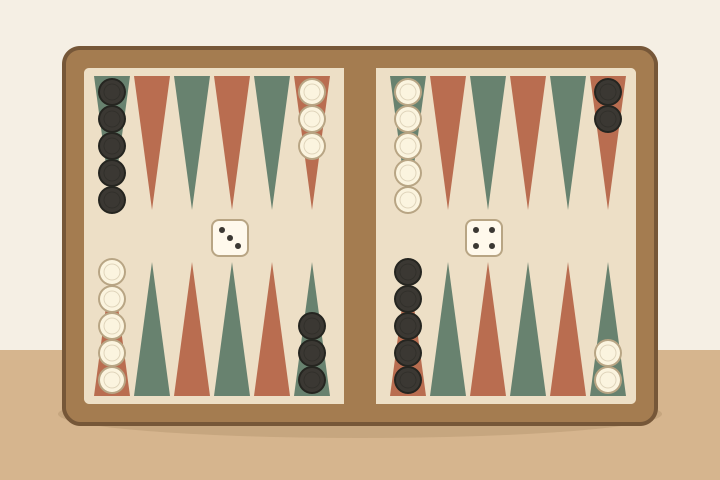 Backgammon
 is a two-player board game that mixes dice, tactical choices, and a race to bring your checkers home. Start with a borrowed set and a friendly game, then learn to balance safety and opportunity.
- Difficulty
- 2 out of 5
- Cost
- 1 out of 5
- Space
- 1 out of 5
- Social
- 3 out of 5
 Beatboxing
Turn mouth sounds into drum grooves, starting with a kick, hi-hat, and snare you can practise in short sessions without buying an instrument.
- Difficulty
- 2 out of 5
- Cost
- 1 out of 5
- Space
- 1 out of 5
- Social
- 3 out of 5
Blogging
Explore an interest through short posts, develop your writing and choose how widely to share your work.
- Difficulty
- 2 out of 5
- Cost
- 1 out of 5
- Space
- 1 out of 5
- Social
- 2 out of 5
 Book Folding
Turn the pages of an unwanted book into hearts, initials, and sculptural patterns with a ruler, pencil, and a patient series of folds.
- Difficulty
- 2 out of 5
- Cost
- 1 out of 5
- Space
- 1 out of 5
- Social
- 2 out of 5
 Calligraphy
Shape letters with a broad-edge pen, pointed nib, or brush, building controlled strokes into words, cards, and decorative pages.
- Difficulty
- 3 out of 5
- Cost
- 1 out of 5
- Space
- 1 out of 5
- Social
- 2 out of 5
 Candle Painting
Paint motifs, borders, and lettering onto finished candles — a compact, painterly craft for gifts and display.
- Difficulty
- 2 out of 5
- Cost
- 2 out of 5
- Space
- 1 out of 5
- Social
- 2 out of 5
 Card Making
Design and assemble handmade greeting cards from cardstock, ink, stamps, and die cuts, from simple folded cards to pop-ups.
- Difficulty
- 2 out of 5
- Cost
- 2 out of 5
- Space
- 1 out of 5
- Social
- 2 out of 5
 Cardistry
The performance art of playing-card flourishing, with cuts, fans, spreads, and displays performed for their visual beauty rather than deception.
- Difficulty
- 3 out of 5
- Cost
- 1 out of 5
- Space
- 1 out of 5
- Social
- 3 out of 5
 Chainmail Making
Link metal rings into patterned sheets, jewellery, armour-inspired pieces, dice bags, ornaments, and sculptural objects.
- Difficulty
- 3 out of 5
- Cost
- 2 out of 5
- Space
- 1 out of 5
- Social
- 3 out of 5
 Chess
Chess is a two-player strategy game on a 64-square board. Learn the rules in one sitting, then improve through puzzles, slow games, and reviewing your own play.
- Difficulty
- 3 out of 5
- Cost
- 1 out of 5
- Space
- 1 out of 5
- Social
- 4 out of 5
 Clarinet
Learn embouchure, breath control, and a rich singing tone on a portable single-reed woodwind at home in jazz, classical, and folk music.
- Difficulty
- 3 out of 5
- Cost
- 3 out of 5
- Space
- 1 out of 5
- Social
- 4 out of 5
 Coffee Brewing
Make better coffee at home by learning beans, grind size, water, ratios, and repeatable brew methods.
- Difficulty
- 2 out of 5
- Cost
- 2 out of 5
- Space
- 1 out of 5
- Social
- 3 out of 5
 Coin Collecting
Build a coin collection by learning dates, mint marks, condition, storage, history, and careful buying habits.
- Difficulty
- 2 out of 5
- Cost
- 3 out of 5
- Space
- 1 out of 5
- Social
- 3 out of 5
 Comics
Tell stories in panels: sequential art where drawings, captions, and pacing carry the narrative.
- Difficulty
- 3 out of 5
- Cost
- 1 out of 5
- Space
- 1 out of 5
- Social
- 3 out of 5
 Community Radio Presenting
A listener tuning in halfway through your show should still be able to tell who is speaking and why the story matters. Practise that skill with a one-minute local notice before trying an interview or a live handover.
- Difficulty
- 3 out of 5
- Cost
- 1 out of 5
- Space
- 1 out of 5
- Social
- 5 out of 5
 Computer Programming
Turn ideas into small games, useful tools, and interactive stories by writing instructions a computer can follow.
- Difficulty
- 3 out of 5
- Cost
- 1 out of 5
- Space
- 1 out of 5
- Social
- 3 out of 5
 Creative Writing
Turn observations, memories, and imagined scenes into poems, stories, and essays.
- Difficulty
- 2 out of 5
- Cost
- 1 out of 5
- Space
- 1 out of 5
- Social
- 3 out of 5
 Crochet
Use one hook and yarn to make fabric, toys, home goods, and quick gifts.
- Difficulty
- 2 out of 5
- Cost
- 2 out of 5
- Space
- 1 out of 5
- Social
- 3 out of 5
 Cross Stitch
Build decorative pictures and patterns from tiny X-shaped stitches on gridded fabric.
- Difficulty
- 2 out of 5
- Cost
- 2 out of 5
- Space
- 1 out of 5
- Social
- 3 out of 5
 Crossword Puzzles
Solve word grids through clues, vocabulary, pattern recognition, and a steady habit of checking crossings.
- Difficulty
- 2 out of 5
- Cost
- 1 out of 5
- Space
- 1 out of 5
- Social
- 2 out of 5
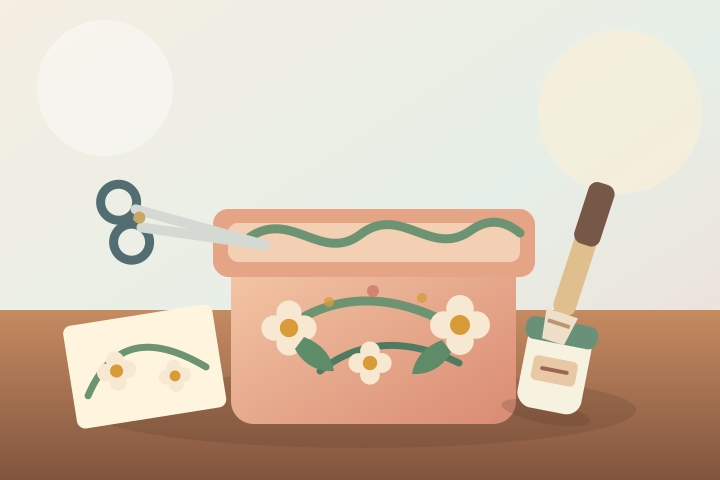 Decoupage
Transform boxes, trays, furniture, and ornaments by layering cut paper designs with adhesive and a protective finish.
- Difficulty
- 2 out of 5
- Cost
- 2 out of 5
- Space
- 1 out of 5
- Social
- 2 out of 5
 Digital Illustration
Draw and paint on a screen with a stylus or pen tablet, using layers, undo, and brushes to build sketches, finished art, comics, and design assets.
- Difficulty
- 3 out of 5
- Cost
- 3 out of 5
- Space
- 1 out of 5
- Social
- 3 out of 5
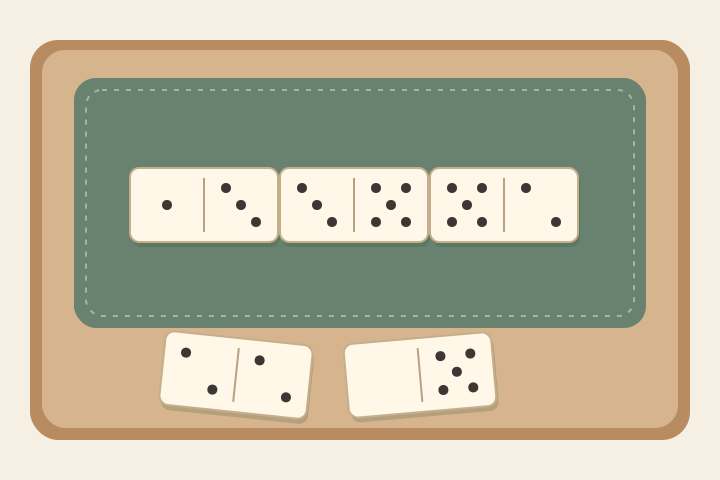 Dominoes
Match dotted tiles, plan your next move, and enjoy a little friendly competition. Dominoes is a compact table hobby with simple starting rules and plenty of room to develop your strategy.
- Difficulty
- 1 out of 5
- Cost
- 1 out of 5
- Space
- 1 out of 5
- Social
- 4 out of 5
 Drawing
Build observation, line control, and visual confidence with simple everyday tools.
- Difficulty
- 2 out of 5
- Cost
- 1 out of 5
- Space
- 1 out of 5
- Social
- 2 out of 5
 Electronics
Build useful circuits, learn components, solder small projects, and understand how devices work.
- Difficulty
- 3 out of 5
- Cost
- 2 out of 5
- Space
- 1 out of 5
- Social
- 3 out of 5
 Embroidery
Stitch patterns, letters, and small pictures onto fabric with portable tools and patient repetition.
- Difficulty
- 2 out of 5
- Cost
- 2 out of 5
- Space
- 1 out of 5
- Social
- 3 out of 5
Field Recording
A gate latch clicks, rain taps a sill, a bird calls between passing cars. Field recording captures sounds where they happen. It suits beginners who enjoy noticing small details and can spare a few minutes to record and listen back.
- Difficulty
- 2 out of 5
- Cost
- 1 out of 5
- Space
- 1 out of 5
- Social
- 2 out of 5
Film Appreciation
Watch with curiosity, notice how a scene works and develop your own interpretation. Film appreciation can fit a modest home setup and work equally well alone or with others.
- Difficulty
- 1 out of 5
- Cost
- 2 out of 5
- Space
- 1 out of 5
- Social
- 3 out of 5
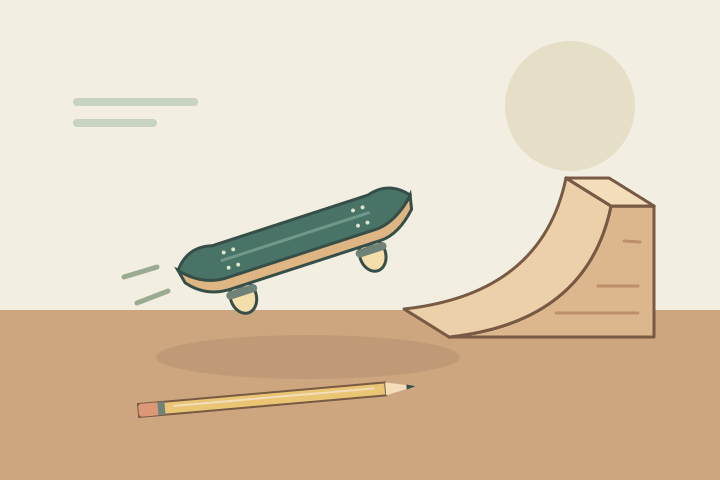 Fingerboarding
Turn a tabletop into a tiny skate spot, learning to roll, balance, pop, and land tricks on a miniature skateboard with two fingers.
- Difficulty
- 3 out of 5
- Cost
- 2 out of 5
- Space
- 1 out of 5
- Social
- 3 out of 5
 Flower Pressing
Preserve flowers, leaves, and small botanicals as flat, dried specimens for cards, journals, framed art, and keepsakes.
- Difficulty
- 2 out of 5
- Cost
- 1 out of 5
- Space
- 1 out of 5
- Social
- 2 out of 5
 Flute
Learn breath control, clear tone, melody, and ensemble playing on a light, portable woodwind instrument.
- Difficulty
- 3 out of 5
- Cost
- 3 out of 5
- Space
- 1 out of 5
- Social
- 4 out of 5
 Fly Tying
Tie feathers, thread, fur, and synthetic materials onto hooks to create fishing flies with precise, useful details.
- Difficulty
- 3 out of 5
- Cost
- 3 out of 5
- Space
- 1 out of 5
- Social
- 3 out of 5
 Game Development
Make tiny playable worlds, puzzles, and interactive stories by combining rules, art, sound, and a little experimentation.
- Difficulty
- 3 out of 5
- Cost
- 1 out of 5
- Space
- 1 out of 5
- Social
- 3 out of 5
 Genealogy
Research family history through records, interviews, archives, DNA clues, and careful source notes.
- Difficulty
- 3 out of 5
- Cost
- 2 out of 5
- Space
- 1 out of 5
- Social
- 2 out of 5
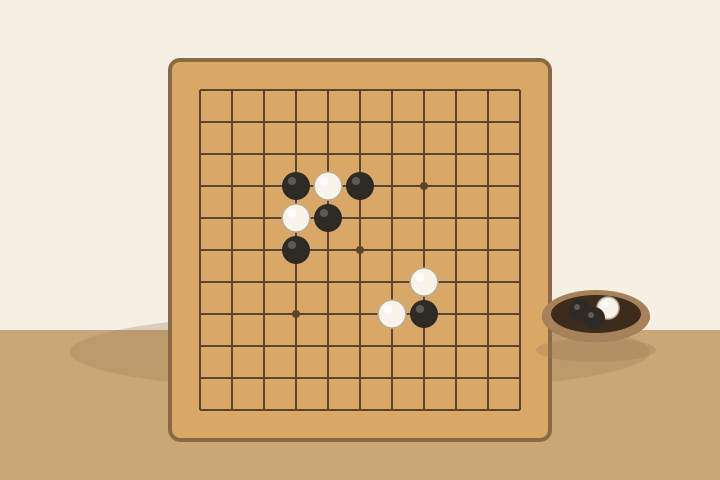 Go
Go is a two-player strategy game played on a grid of intersecting lines. The rules take minutes to learn, but the game rewards calm reading, long-term planning, and a feel for shape.
- Difficulty
- 3 out of 5
- Cost
- 1 out of 5
- Space
- 1 out of 5
- Social
- 3 out of 5
 Hand-Drawn Animation
Bring simple drawings to life with short sequences. Begin with paper and pencil, test movement early and build towards small animated stories.
- Difficulty
- 3 out of 5
- Cost
- 1 out of 5
- Space
- 1 out of 5
- Social
- 2 out of 5
 Harmonica
Learn breath control, melody, rhythm, and bluesy expression with a small pocket-sized instrument.
- Difficulty
- 2 out of 5
- Cost
- 1 out of 5
- Space
- 1 out of 5
- Social
- 3 out of 5
 Journaling
Use a notebook or app to think clearly, track patterns, and keep a record of ordinary life.
- Difficulty
- 1 out of 5
- Cost
- 1 out of 5
- Space
- 1 out of 5
- Social
- 1 out of 5
 Kalimba
Pluck gentle melodies and ringing chords on a small thumb piano that fits into short practice sessions and a quiet corner at home.
- Difficulty
- 2 out of 5
- Cost
- 1 out of 5
- Space
- 1 out of 5
- Social
- 2 out of 5
 Knitting
Turn yarn into useful fabric with a small set of portable tools and steady practice.
- Difficulty
- 2 out of 5
- Cost
- 2 out of 5
- Space
- 1 out of 5
- Social
- 3 out of 5
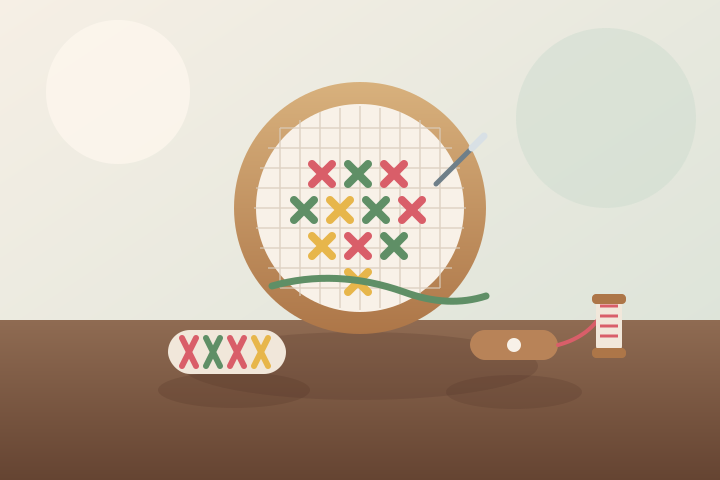 Kumihimo
Braid flat cords, bracelets, and tassels by passing threads over and under on a round braiding stand.
- Difficulty
- 2 out of 5
- Cost
- 1 out of 5
- Space
- 1 out of 5
- Social
- 3 out of 5
 Lacemaking
Make openwork fabric from thread alone, following a pattern with bobbins, a needle, or a shuttle.
- Difficulty
- 3 out of 5
- Cost
- 2 out of 5
- Space
- 1 out of 5
- Social
- 3 out of 5
 Language Learning
Learn a new language through short, regular sessions: build pronunciation, core phrases, listening, and speaking confidence, from first greetings to real conversations.
- Difficulty
- 2 out of 5
- Cost
- 1 out of 5
- Space
- 1 out of 5
- Social
- 3 out of 5
Life Drawing
A tilted shoulder or the position of a foot can tell you how someone is standing. Life drawing starts with noticing those clues while a person poses.
- Difficulty
- 3 out of 5
- Cost
- 2 out of 5
- Space
- 1 out of 5
- Social
- 4 out of 5
Live Streaming
Share an activity or conversation in real time. Start with existing equipment, rehearse locally and build confidence through short, manageable sessions.
- Difficulty
- 3 out of 5
- Cost
- 2 out of 5
- Space
- 1 out of 5
- Social
- 4 out of 5
 Lockpicking
Learn the puzzle side of locks through legal practice, tactile feedback, patient technique, and careful ethics.
- Difficulty
- 3 out of 5
- Cost
- 2 out of 5
- Space
- 1 out of 5
- Social
- 3 out of 5
 Macrame
Tie decorative knots into wall hangings, plant holders, jewellery, bags, and textured cord projects.
- Difficulty
- 2 out of 5
- Cost
- 2 out of 5
- Space
- 1 out of 5
- Social
- 3 out of 5
 Magic Tricks
The art of creating impossible-seeming effects with cards, coins, and everyday objects — from self-working tricks and sleight of hand to performing for an audience.
- Difficulty
- 3 out of 5
- Cost
- 1 out of 5
- Space
- 1 out of 5
- Social
- 4 out of 5
 Mandolin
Learn bright melodies, rhythmic chords, and ensemble playing on a compact string instrument.
- Difficulty
- 3 out of 5
- Cost
- 3 out of 5
- Space
- 1 out of 5
- Social
- 4 out of 5
 Meditation
Practise attention, breathing, and awareness through short repeatable sessions.
- Difficulty
- 1 out of 5
- Cost
- 1 out of 5
- Space
- 1 out of 5
- Social
- 2 out of 5
Mime
Can someone tell when you discover your cup is empty, even if there is no cup? Mime uses gesture, gaze and timing to tell that kind of story. You can start seated, practise alone and invite a partner to play the other character.
- Difficulty
- 2 out of 5
- Cost
- 1 out of 5
- Space
- 1 out of 5
- Social
- 3 out of 5
 Miniature Painting
Paint tiny figures, terrain, and display pieces with careful colour, brush control, and detail work.
- Difficulty
- 3 out of 5
- Cost
- 3 out of 5
- Space
- 1 out of 5
- Social
- 3 out of 5
 Mixology
Learn to make balanced cocktails and mocktails by practicing recipes, measuring, ice, garnishes, and flavor structure.
- Difficulty
- 2 out of 5
- Cost
- 2 out of 5
- Space
- 1 out of 5
- Social
- 4 out of 5
 Needle Felting
Sculpt wool fibre into small figures, decorations, patches, and textured objects with barbed felting needles.
- Difficulty
- 2 out of 5
- Cost
- 2 out of 5
- Space
- 1 out of 5
- Social
- 2 out of 5
 Needlepoint
Stitch textured designs on open canvas with wool, cotton, or silk threads and steady pattern work.
- Difficulty
- 2 out of 5
- Cost
- 3 out of 5
- Space
- 1 out of 5
- Social
- 3 out of 5
Newsletter Publishing
A book you keep recommending can be the start of a newsletter. Write a short note about who might enjoy it, send yourself a test copy, and invite a reader to get the next issue.
- Difficulty
- 2 out of 5
- Cost
- 1 out of 5
- Space
- 1 out of 5
- Social
- 2 out of 5
 Ocarina
Play clear, rounded melodies on a small vessel flute while learning finger patterns, steady rhythm, and expressive breath control.
- Difficulty
- 2 out of 5
- Cost
- 1 out of 5
- Space
- 1 out of 5
- Social
- 3 out of 5
 Oral History Interviewing
Start with one person, one memory, and a recorder you already know how to use. A short conversation about a first job, a club meeting, or a familiar street can make a rewarding first interview.
- Difficulty
- 2 out of 5
- Cost
- 1 out of 5
- Space
- 1 out of 5
- Social
- 5 out of 5
 Oral Storytelling
Start with a moment you remember well enough to tell a friend. Three cue words and a few minutes of practice can help you find the story in it.
- Difficulty
- 2 out of 5
- Cost
- 1 out of 5
- Space
- 1 out of 5
- Social
- 5 out of 5
 Origami
Fold paper into cranes, boxes, flowers, and geometric forms with almost no gear and plenty of repeatable practice.
- Difficulty
- 2 out of 5
- Cost
- 1 out of 5
- Space
- 1 out of 5
- Social
- 2 out of 5
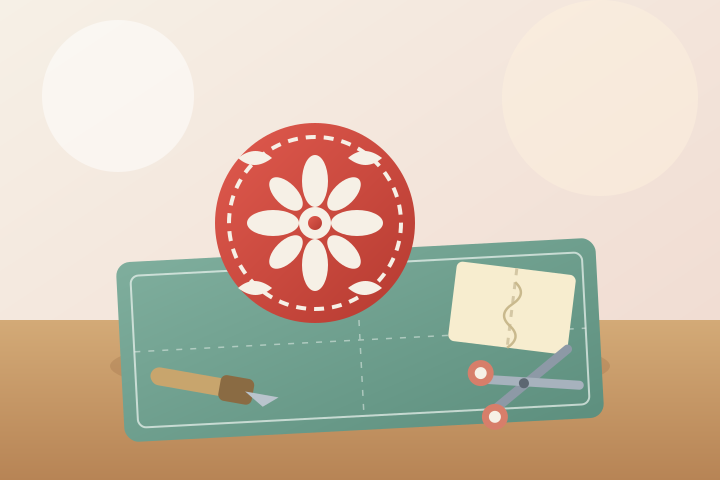 Paper Cutting
Cut folded and freehand paper into snowflakes, medallions, and folk designs with scissors or a blade and a cutting mat.
- Difficulty
- 2 out of 5
- Cost
- 1 out of 5
- Space
- 1 out of 5
- Social
- 2 out of 5
 Paper Quilling
Roll narrow paper strips into coils, scrolls, flowers, lettering, and decorative designs with simple tools and patient placement.
- Difficulty
- 2 out of 5
- Cost
- 2 out of 5
- Space
- 1 out of 5
- Social
- 2 out of 5
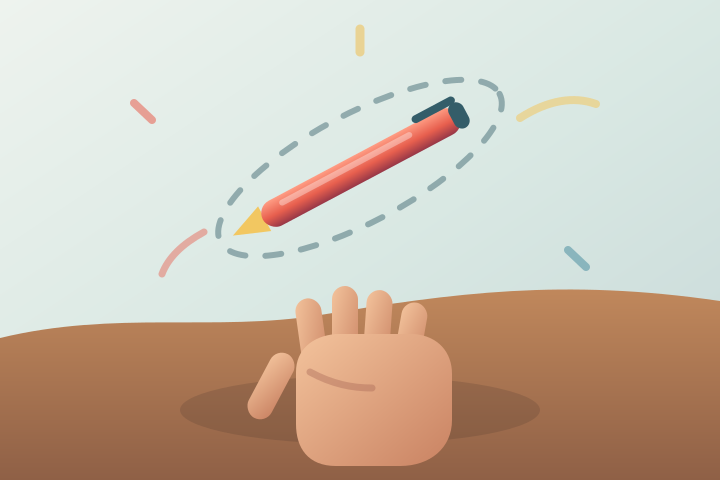 Pen Spinning
Learn to keep a pen spinning smoothly on your fingers with control tricks, transitions, and steady one-handed practice.
- Difficulty
- 3 out of 5
- Cost
- 1 out of 5
- Space
- 1 out of 5
- Social
- 3 out of 5
 Photography
Use a phone or camera to notice light, frame stronger images, and tell visual stories.
- Difficulty
- 2 out of 5
- Cost
- 2 out of 5
- Space
- 1 out of 5
- Social
- 3 out of 5
Pixel Art
Pixel art suits people who enjoy solving little visual puzzles. A single blank pixel can open up a mug handle, and a few light pixels can turn the same mug into glossy glaze.
- Difficulty
- 2 out of 5
- Cost
- 1 out of 5
- Space
- 1 out of 5
- Social
- 2 out of 5
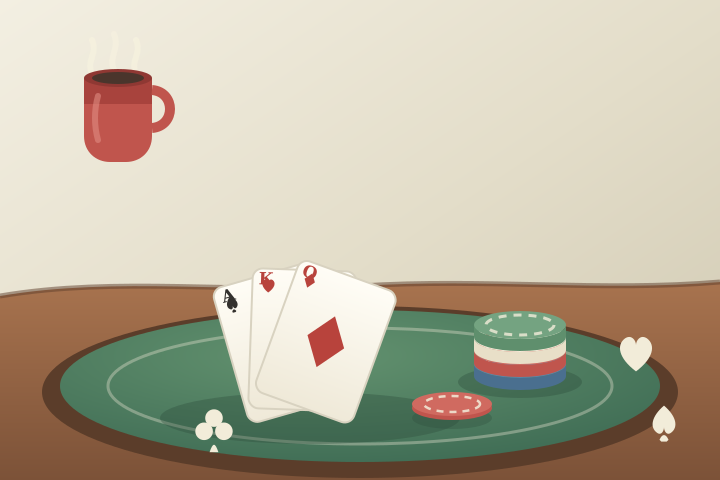 Poker
Play cards against other people: learn hand rankings, betting rounds, and reading the table, starting with casual home games and friendly low-stakes play.
- Difficulty
- 3 out of 5
- Cost
- 2 out of 5
- Space
- 1 out of 5
- Social
- 5 out of 5
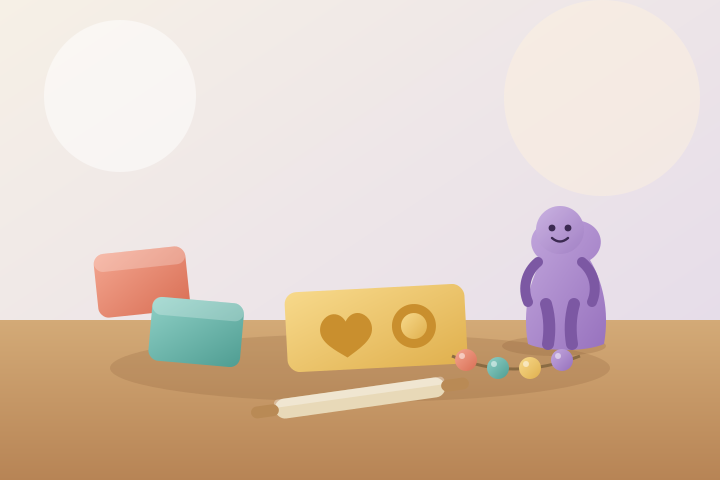 Polymer Clay Sculpting
Shape, sculpt, and bake small figures, beads, and jewellery from oven-cure clay that stays bright, light, and durable.
- Difficulty
- 2 out of 5
- Cost
- 2 out of 5
- Space
- 1 out of 5
- Social
- 2 out of 5
 Postcard Collecting
Build a postcard collection by learning view cards, real photo cards, and the postcard eras, then sorting, storing, and researching them by place, theme, and condition.
- Difficulty
- 2 out of 5
- Cost
- 1 out of 5
- Space
- 1 out of 5
- Social
- 2 out of 5
 Punch Needle
Punch a looped thread through fabric to build plush, textured patterns — a cross between embroidery and a loom.
- Difficulty
- 2 out of 5
- Cost
- 2 out of 5
- Space
- 1 out of 5
- Social
- 2 out of 5
Reading
Build a flexible reading habit through books, essays, comics, audiobooks, and library browsing.
- Difficulty
- 1 out of 5
- Cost
- 1 out of 5
- Space
- 1 out of 5
- Social
- 2 out of 5
Scratchboard Art
Reveal light marks on a dark surface to build drawings through lines and texture. Start small, practise tool control and develop detail gradually.
- Difficulty
- 3 out of 5
- Cost
- 2 out of 5
- Space
- 1 out of 5
- Social
- 2 out of 5
 Silverpoint Drawing
A quiet drawing hobby using a silver stylus on a specially prepared surface, suited to patient practice and subtle line work.
- Difficulty
- 3 out of 5
- Cost
- 3 out of 5
- Space
- 1 out of 5
- Social
- 2 out of 5
 Singing
Learn to sing in tune with steady breath, a comfortable range, and clear words, starting with songs you can sing without strain.
- Difficulty
- 2 out of 5
- Cost
- 1 out of 5
- Space
- 1 out of 5
- Social
- 4 out of 5
Sound Design
Turn everyday recordings into sound effects and short soundscapes through editing, layering and experimentation.
- Difficulty
- 3 out of 5
- Cost
- 2 out of 5
- Space
- 1 out of 5
- Social
- 3 out of 5
 Speedcubing
Solve twisty puzzles quickly through algorithms, finger tricks, inspection, and steady timed practice.
- Difficulty
- 3 out of 5
- Cost
- 2 out of 5
- Space
- 1 out of 5
- Social
- 3 out of 5
Spoken Word Poetry
Start with a sound you remember and a few lines in your own speaking voice. Read them twice and listen for what changes when you move a pause.
- Difficulty
- 2 out of 5
- Cost
- 1 out of 5
- Space
- 1 out of 5
- Social
- 3 out of 5
 Sport Stacking
Build and collapse cup pyramids in set sequences, developing a smooth rhythm through short practice sessions and friendly races.
- Difficulty
- 2 out of 5
- Cost
- 2 out of 5
- Space
- 1 out of 5
- Social
- 3 out of 5
 Stamp Collecting
Build a stamp collection by learning countries, themes, condition, albums, postal history, and careful buying habits.
- Difficulty
- 2 out of 5
- Cost
- 2 out of 5
- Space
- 1 out of 5
- Social
- 3 out of 5
String Art
Stretch thread between fixed points and a curve begins to appear between the straight lines. A notched card circle makes a quiet first project that fits on a desk.
- Difficulty
- 2 out of 5
- Cost
- 2 out of 5
- Space
- 1 out of 5
- Social
- 2 out of 5
 Sudoku
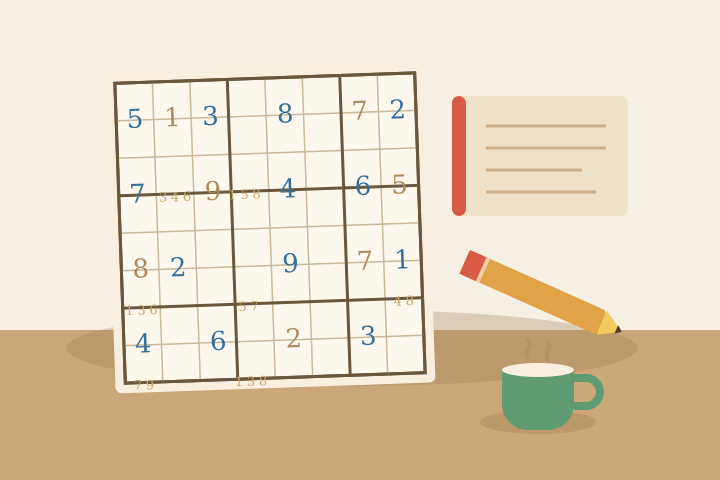
Fill a 9×9 grid so that every row, column, and 3×3 box contains the digits 1 to 9, using pure logic and patient elimination.
- Difficulty
- 1 out of 5
- Cost
- 1 out of 5
- Space
- 1 out of 5
- Social
- 2 out of 5
 Tea Brewing
Brew better tea by learning leaves, water temperature, steeping time, teaware, and repeatable tasting habits.
- Difficulty
- 2 out of 5
- Cost
- 2 out of 5
- Space
- 1 out of 5
- Social
- 3 out of 5
 Terrarium Making
Build miniature glass gardens with small plants, substrate layers, light, moisture balance, and careful display.
- Difficulty
- 2 out of 5
- Cost
- 2 out of 5
- Space
- 1 out of 5
- Social
- 2 out of 5
 Ukulele
Learn chords, strumming, and songs on a small four-string instrument that is gentle on the fingers and easy to carry.
- Difficulty
- 2 out of 5
- Cost
- 2 out of 5
- Space
- 1 out of 5
- Social
- 4 out of 5
 Urban Sketching
Draw the places you live and travel to, on location and from direct observation, with a pocket kit.
- Difficulty
- 3 out of 5
- Cost
- 1 out of 5
- Space
- 1 out of 5
- Social
- 3 out of 5
 Video Editing
Shape clips, sound, pacing, captions, and colour into videos for stories, tutorials, events, or social posts.
- Difficulty
- 3 out of 5
- Cost
- 2 out of 5
- Space
- 1 out of 5
- Social
- 3 out of 5
 Watercolour
Learn transparent colour, quick decisions, and compact painting studies.
- Difficulty
- 3 out of 5
- Cost
- 2 out of 5
- Space
- 1 out of 5
- Social
- 2 out of 5
Wiki Editing
If you enjoy spotting an unclear sentence or tracking down where a fact came from, an existing wiki article gives you a place to start. One well-checked edit can be a whole session.
- Difficulty
- 2 out of 5
- Cost
- 1 out of 5
- Space
- 1 out of 5
- Social
- 3 out of 5
 Wire Wrapping
Shape wire around stones, beads, frames, and forms to create pendants, rings, ornaments, and wearable designs.
- Difficulty
- 3 out of 5
- Cost
- 2 out of 5
- Space
- 1 out of 5
- Social
- 3 out of 5
 Yo-Yoing
Learn to throw, sleep, and return a yo-yo on a string, then build up to binds, loops, and full routines with cheap, portable gear.
- Difficulty
- 3 out of 5
- Cost
- 2 out of 5
- Space
- 1 out of 5
- Social
- 3 out of 5
Zine Making
Turn a small idea into a handmade publication using writing, drawing or collage. Begin with one folded sheet, then explore layout, copying and sharing at your own pace.
- Difficulty
- 1 out of 5
- Cost
- 1 out of 5
- Space
- 1 out of 5
- Social
- 3 out of 5
Acting
Build character, voice, movement, listening, and emotional range through scenes, scripts, and performance.
- Difficulty
- 3 out of 5
- Cost
- 2 out of 5
- Space
- 2 out of 5
- Social
- 5 out of 5
Amateur Radio
Get licensed, learn the bands and modes, and talk with operators near and far on dedicated amateur frequencies.
- Difficulty
- 3 out of 5
- Cost
- 3 out of 5
- Space
- 2 out of 5
- Social
- 5 out of 5
 Baking
Turn simple ingredients into bread, cakes, biscuits, and repeatable kitchen confidence.
- Difficulty
- 2 out of 5
- Cost
- 2 out of 5
- Space
- 2 out of 5
- Social
- 4 out of 5
 Banjo
Learn bright rhythms, chords, melodies, and picking patterns on a distinctive string instrument.
- Difficulty
- 3 out of 5
- Cost
- 3 out of 5
- Space
- 2 out of 5
- Social
- 4 out of 5
 Bass Guitar
Learn the low end of the band on a four-string instrument that anchors rhythm and groove, at home or in a group.
- Difficulty
- 3 out of 5
- Cost
- 3 out of 5
- Space
- 2 out of 5
- Social
- 4 out of 5
 Board Games
Board games are rule-based games played with other people around a table, from quick card games to long strategy boxes. Start by borrowing or buying one short game that fits your real group.
- Difficulty
- 2 out of 5
- Cost
- 2 out of 5
- Space
- 2 out of 5
- Social
- 5 out of 5
 Bookbinding
Fold, sew, glue, trim, and cover paper into notebooks, journals, repaired books, and handmade editions.
- Difficulty
- 3 out of 5
- Cost
- 2 out of 5
- Space
- 2 out of 5
- Social
- 2 out of 5
 Cake Decorating
Pipe, smooth, and finish cakes with buttercream, fondant, and simple techniques that turn a baked cake into a finished dessert.
- Difficulty
- 3 out of 5
- Cost
- 2 out of 5
- Space
- 2 out of 5
- Social
- 4 out of 5
 Calisthenics
Train with your own bodyweight — from a first push-up and pull-up to bars, rings, and street-workout skills.
- Difficulty
- 3 out of 5
- Cost
- 1 out of 5
- Space
- 2 out of 5
- Social
- 2 out of 5
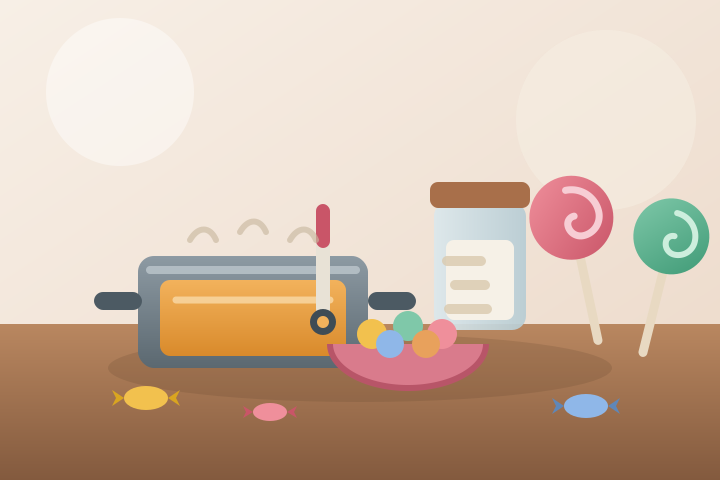 Candy Making
Make hard candy, toffee, fudge, and other sweets by learning sugar stages, thermometer timing, and finishing techniques.
- Difficulty
- 3 out of 5
- Cost
- 2 out of 5
- Space
- 2 out of 5
- Social
- 3 out of 5
Collage Art
Cut, tear, layer, and arrange paper, photographs, fabric, and found materials into expressive images and compositions.
- Difficulty
- 1 out of 5
- Cost
- 1 out of 5
- Space
- 2 out of 5
- Social
- 2 out of 5
 Cooking
Build everyday kitchen confidence through simple meals, timing, seasoning, and repeatable techniques.
- Difficulty
- 2 out of 5
- Cost
- 2 out of 5
- Space
- 2 out of 5
- Social
- 4 out of 5
 DJing
Mix tracks, read a room, build sets, and shape transitions for parties, radio, streams, or personal practice.
- Difficulty
- 3 out of 5
- Cost
- 3 out of 5
- Space
- 2 out of 5
- Social
- 5 out of 5
 Dollhouse Miniatures
Build tiny rooms, furniture, scenes, and accessories through careful scale craft and storytelling.
- Difficulty
- 3 out of 5
- Cost
- 3 out of 5
- Space
- 2 out of 5
- Social
- 2 out of 5
 Fermenting
Preserve vegetables, drinks, and other foods by learning sanitation, salt, brine, temperature, timing, and careful observation.
- Difficulty
- 3 out of 5
- Cost
- 2 out of 5
- Space
- 2 out of 5
- Social
- 3 out of 5
Film Collecting
A beginner guide to collecting films on physical home-video formats, with practical buying checks, storage advice and a modest first-month plan.
- Difficulty
- 2 out of 5
- Cost
- 2 out of 5
- Space
- 2 out of 5
- Social
- 3 out of 5
 Flower Arranging
Compose fresh, dried, or seasonal flowers into balanced displays for homes, events, gifts, and quiet practice.
- Difficulty
- 2 out of 5
- Cost
- 3 out of 5
- Space
- 2 out of 5
- Social
- 3 out of 5
 Guitar
Learn chords, rhythm, and songs on a portable six-string instrument that can stay private at home or become social.
- Difficulty
- 3 out of 5
- Cost
- 3 out of 5
- Space
- 2 out of 5
- Social
- 4 out of 5
Home Movie Preservation
A handwritten label can be as valuable as the footage. Home movie preservation keeps the two together so someone watching years later can tell who held the camera, where the scene took place and which details are still a mystery.
- Difficulty
- 2 out of 5
- Cost
- 2 out of 5
- Space
- 2 out of 5
- Social
- 2 out of 5
 Home Recording
Capture vocals, instruments, podcasts, demos, and sound ideas with a small recording setup at home.
- Difficulty
- 3 out of 5
- Cost
- 3 out of 5
- Space
- 2 out of 5
- Social
- 3 out of 5
 Improv Comedy
Create unscripted scenes, characters, and jokes with a group through listening, quick choices, and playful teamwork.
- Difficulty
- 3 out of 5
- Cost
- 2 out of 5
- Space
- 2 out of 5
- Social
- 5 out of 5
 Jewellery Making
Design and make wearable pieces through beads, wire, metal, stones, findings, and careful finishing.
- Difficulty
- 3 out of 5
- Cost
- 3 out of 5
- Space
- 2 out of 5
- Social
- 3 out of 5
 Jigsaw Puzzles
Assemble pictures from interlocking pieces through patient sorting, pattern recognition, and steady table work.
- Difficulty
- 2 out of 5
- Cost
- 2 out of 5
- Space
- 2 out of 5
- Social
- 2 out of 5
 Juggling
Learn to keep balls, scarves, rings, or clubs moving through steady throws, catches, patterns, and playful practice.
- Difficulty
- 3 out of 5
- Cost
- 1 out of 5
- Space
- 2 out of 5
- Social
- 4 out of 5
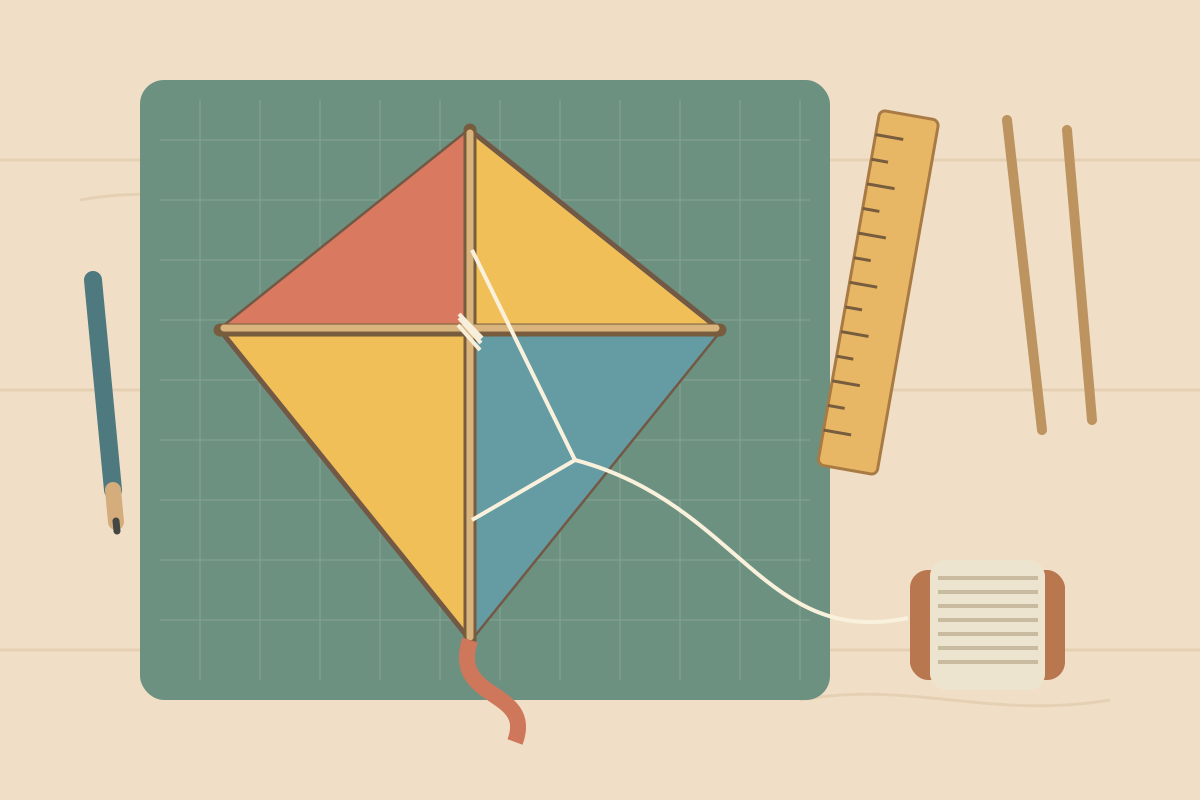 Kite Making
Build and decorate lightweight kites, then take them outside to test, adjust, and enjoy your own handmade flight.
- Difficulty
- 2 out of 5
- Cost
- 1 out of 5
- Space
- 2 out of 5
- Social
- 3 out of 5
 Leatherworking
Turn leather into wallets, belts, bags, cases, and repairs through cutting, stitching, shaping, and finishing.
- Difficulty
- 3 out of 5
- Cost
- 3 out of 5
- Space
- 2 out of 5
- Social
- 2 out of 5
 Lego Building
Build models, scenes, machines, and display pieces with interlocking bricks and a repeatable design process.
- Difficulty
- 2 out of 5
- Cost
- 3 out of 5
- Space
- 2 out of 5
- Social
- 3 out of 5
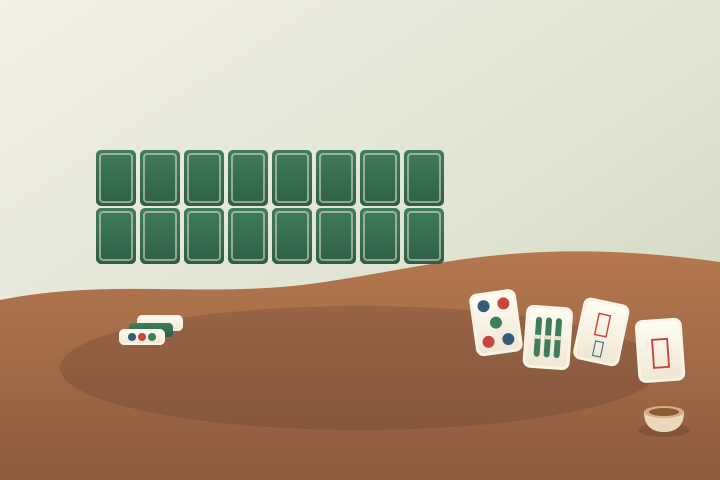 Mahjong
Draw, discard, and shape a hand of tiles into four melds and a pair in a classic Chinese tile game of memory, odds, and reading your opponents.
- Difficulty
- 3 out of 5
- Cost
- 2 out of 5
- Space
- 2 out of 5
- Social
- 4 out of 5
 Marbling Art
Float pigment on a prepared water bath, comb it into flowing patterns, and lift the design onto paper, fabric, or other surfaces.
- Difficulty
- 3 out of 5
- Cost
- 2 out of 5
- Space
- 2 out of 5
- Social
- 2 out of 5
 Model Making
Build scale kits, miniatures, and dioramas through careful assembly, painting, and detail work.
- Difficulty
- 3 out of 5
- Cost
- 3 out of 5
- Space
- 2 out of 5
- Social
- 2 out of 5
 Mosaic Art
Arrange tile, glass, stone, ceramic, or found pieces into durable images, patterns, panels, and decorative objects.
- Difficulty
- 3 out of 5
- Cost
- 3 out of 5
- Space
- 2 out of 5
- Social
- 3 out of 5
 Mushroom Growing
Grow edible mushrooms from kits, logs, or prepared substrate while learning humidity, cleanliness, timing, and careful harvesting.
- Difficulty
- 3 out of 5
- Cost
- 2 out of 5
- Space
- 2 out of 5
- Social
- 2 out of 5
 Painting
Choose a medium — acrylic, oil, watercolour, or gouache — and build colour, value, and composition through small studies.
- Difficulty
- 3 out of 5
- Cost
- 2 out of 5
- Space
- 2 out of 5
- Social
- 2 out of 5
 Pasta Making
Mix flour and eggs, roll, cut, and cook fresh pasta by hand, learning dough feel, timing, and shaping through repetition.
- Difficulty
- 2 out of 5
- Cost
- 1 out of 5
- Space
- 2 out of 5
- Social
- 3 out of 5
 Perfume Making
Blend aroma materials into personal fragrances while learning notes, dilution, testing, and careful scent records.
- Difficulty
- 3 out of 5
- Cost
- 3 out of 5
- Space
- 2 out of 5
- Social
- 2 out of 5
 Piano
Learn melody, rhythm, harmony, and hand coordination on an 88-key instrument that makes musical structure visible.
- Difficulty
- 3 out of 5
- Cost
- 3 out of 5
- Space
- 2 out of 5
- Social
- 3 out of 5
 Pilates
A low-impact practice of control, breath, and core strength — from a first 15-minute mat session to the reformer.
- Difficulty
- 2 out of 5
- Cost
- 2 out of 5
- Space
- 2 out of 5
- Social
- 3 out of 5
 Podcasting
Plan, record, edit, and share spoken audio around stories, interviews, interests, or ideas.
- Difficulty
- 3 out of 5
- Cost
- 2 out of 5
- Space
- 2 out of 5
- Social
- 4 out of 5
 Puppetry
Build, move, and voice characters through hand puppets, shadow theatre, marionettes, masks, or tabletop performance.
- Difficulty
- 3 out of 5
- Cost
- 2 out of 5
- Space
- 2 out of 5
- Social
- 4 out of 5
 Resin Art
Combine resin, pigments, moulds, and careful curing to make glossy artwork, jewellery, coasters, and decorative pieces.
- Difficulty
- 3 out of 5
- Cost
- 3 out of 5
- Space
- 2 out of 5
- Social
- 2 out of 5
 Rock Tumbling
Turn rough stones into smooth polished pieces through staged grit cycles, patient sorting, and careful cleaning.
- Difficulty
- 2 out of 5
- Cost
- 3 out of 5
- Space
- 2 out of 5
- Social
- 2 out of 5
Scrapbooking
Preserve photos, keepsakes, and stories in layered pages that mix memory, design, and hands-on paper craft.
- Difficulty
- 2 out of 5
- Cost
- 2 out of 5
- Space
- 2 out of 5
- Social
- 2 out of 5
 Sourdough
Keep a living starter, learn fermentation, and bake bread through observation, timing, and repetition.
- Difficulty
- 3 out of 5
- Cost
- 2 out of 5
- Space
- 2 out of 5
- Social
- 3 out of 5
 Stained Glass
Cut, arrange, foil, solder, and finish coloured glass into panels, sun catchers, lamps, and decorative pieces.
- Difficulty
- 3 out of 5
- Cost
- 3 out of 5
- Space
- 2 out of 5
- Social
- 3 out of 5
Stop Motion Animation
Bring objects, drawings, puppets, clay, or paper figures to life by photographing tiny movements one frame at a time.
- Difficulty
- 3 out of 5
- Cost
- 2 out of 5
- Space
- 2 out of 5
- Social
- 3 out of 5
 Tabletop Role-Playing Games
Tabletop role-playing games are shared, dice-driven stories: one person describes the world, everyone else plays a character, and the group decides what happens next. Start with a free quickstart and a one-shot evening.
- Difficulty
- 3 out of 5
- Cost
- 2 out of 5
- Space
- 2 out of 5
- Social
- 5 out of 5
 Tai Chi
Learn the slow, flowing movements of a Chinese martial art — balance, posture, breath, and attention, from a first ten-minute session to a full form.
- Difficulty
- 2 out of 5
- Cost
- 1 out of 5
- Space
- 2 out of 5
- Social
- 3 out of 5
 Tie-Dyeing
Fold, bind, and dye fabric into bold colour patterns on shirts, tote bags, linens, and small textile projects.
- Difficulty
- 2 out of 5
- Cost
- 2 out of 5
- Space
- 2 out of 5
- Social
- 3 out of 5
 Vinyl Collecting
Build a record collection by learning formats, grading, turntable care, storage, listening habits, and careful buying.
- Difficulty
- 2 out of 5
- Cost
- 3 out of 5
- Space
- 2 out of 5
- Social
- 3 out of 5
 Weaving
Interlace warp and weft on small looms to build cloth, bands, and textured pieces.
- Difficulty
- 3 out of 5
- Cost
- 2 out of 5
- Space
- 2 out of 5
- Social
- 3 out of 5
 Wood Burning
Decorate wood with controlled heat, shading, and line work to make signs, ornaments, art panels, and handmade gifts.
- Difficulty
- 3 out of 5
- Cost
- 2 out of 5
- Space
- 2 out of 5
- Social
- 2 out of 5
 Wood Carving
Shape wood into figures, reliefs, spoons, ornaments, and small objects with knives, gouges, and careful cuts.
- Difficulty
- 3 out of 5
- Cost
- 2 out of 5
- Space
- 2 out of 5
- Social
- 2 out of 5
 Yarn Spinning
Turn prepared fibre into usable yarn with a spindle, wheel, and steady control of twist.
- Difficulty
- 3 out of 5
- Cost
- 3 out of 5
- Space
- 2 out of 5
- Social
- 3 out of 5
 Yoga
Start a low-equipment practice of postures, breath, and attention — from a first 15-minute session to finding your style.
- Difficulty
- 2 out of 5
- Cost
- 1 out of 5
- Space
- 2 out of 5
- Social
- 3 out of 5
 Aquarium Keeping
Build and maintain a healthy aquarium with filtration, cycling, water testing, careful stocking, and steady routines.
- Difficulty
- 3 out of 5
- Cost
- 3 out of 5
- Space
- 3 out of 5
- Social
- 2 out of 5
 Ballroom Dancing
Learn partner connection, rhythm, posture, and classic social dances from waltz and foxtrot to tango and cha-cha.
- Difficulty
- 3 out of 5
- Cost
- 2 out of 5
- Space
- 3 out of 5
- Social
- 5 out of 5
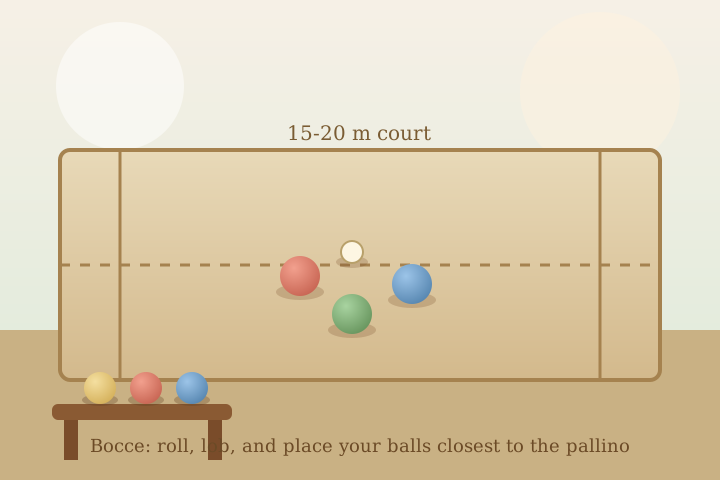 Bocce
Learn throwing styles, court reading, and placement strategy in a gentle lawn game where the closest ball wins.
- Difficulty
- 2 out of 5
- Cost
- 2 out of 5
- Space
- 3 out of 5
- Social
- 5 out of 5
 Bodybuilding
Train for muscle growth, symmetry, and conditioning through progressive resistance training, from a home start to competition.
- Difficulty
- 3 out of 5
- Cost
- 3 out of 5
- Space
- 3 out of 5
- Social
- 3 out of 5
 Boxing
Build stance, footwork, conditioning, and punch technique through structured bag work or classes.
- Difficulty
- 3 out of 5
- Cost
- 3 out of 5
- Space
- 3 out of 5
- Social
- 4 out of 5
 Candle Making
Melt, pour, and cure wax, wick, and scent into container candles and pillars, learning a small-batch craft built on careful testing.
- Difficulty
- 3 out of 5
- Cost
- 3 out of 5
- Space
- 3 out of 5
- Social
- 3 out of 5
 Cosplay
Design, build, and wear costumes that bring favourite characters, stories, and original ideas into real life.
- Difficulty
- 3 out of 5
- Cost
- 3 out of 5
- Space
- 3 out of 5
- Social
- 4 out of 5
Cyanotype Printing
A pressed leaf, a scrap of lace or a paper cutout can become the subject of a photograph. Lay it on light-sensitive paper, expose the sheet to sunlight and rinse it to reveal a pale silhouette against blue.
- Difficulty
- 2 out of 5
- Cost
- 2 out of 5
- Space
- 3 out of 5
- Social
- 3 out of 5
 Dance
Learn rhythm, basic steps, and expression in the style that fits you — from ballet and hip-hop to salsa, swing, and ballroom.
- Difficulty
- 2 out of 5
- Cost
- 2 out of 5
- Space
- 3 out of 5
- Social
- 5 out of 5
 Darts
Throw three darts at a 20-segment board, learn 501 scoring and checkout maths, and build a repeatable, safe throw for pub, club, or home play.
- Difficulty
- 2 out of 5
- Cost
- 2 out of 5
- Space
- 3 out of 5
- Social
- 4 out of 5
 Diabolo
Spin a diabolo on a string between two handsticks, then explore small throws, catches, balances, and playful circus routines.
- Difficulty
- 3 out of 5
- Cost
- 2 out of 5
- Space
- 3 out of 5
- Social
- 3 out of 5
 Drumming
Build rhythm, coordination, timing, and musical energy with sticks, pedals, pads, or a full drum kit.
- Difficulty
- 3 out of 5
- Cost
- 3 out of 5
- Space
- 3 out of 5
- Social
- 4 out of 5
Film Poster Collecting
Pick a film you love and look at two posters for it. Which would you hang on your wall, and what does the artwork make you expect from the film? That comparison can guide your first purchase.
- Difficulty
- 2 out of 5
- Cost
- 2 out of 5
- Space
- 3 out of 5
- Social
- 2 out of 5
Filmmaking
Make short films by planning shots, recording images and sound, and editing them into a story.
- Difficulty
- 3 out of 5
- Cost
- 2 out of 5
- Space
- 3 out of 5
- Social
- 3 out of 5
Foam Sculpting
Shape lightweight foam into decorative forms, models and scenery. Start small, identify your material and practise controlled cuts before attempting detailed sculptures.
- Difficulty
- 3 out of 5
- Cost
- 2 out of 5
- Space
- 3 out of 5
- Social
- 2 out of 5
Glass Fusing
Arrange a few pieces of coloured glass on a base and a kiln can join them into a single tile. A beginner workshop lets you explore colour and pattern while an instructor handles the firing.
- Difficulty
- 2 out of 5
- Cost
- 3 out of 5
- Space
- 3 out of 5
- Social
- 3 out of 5
 Historical Reenactment
Research, costume, and portray past eras through living history events, demonstrations, and group scenarios.
- Difficulty
- 3 out of 5
- Cost
- 3 out of 5
- Space
- 3 out of 5
- Social
- 5 out of 5
 Home Brewing
Make beer, cider, mead, or wine at home by letting yeast turn sugar into alcohol — a patient, small-batch kitchen project built on sanitation, timing, and tasting.
- Difficulty
- 3 out of 5
- Cost
- 3 out of 5
- Space
- 3 out of 5
- Social
- 3 out of 5
 Martial Arts
Train striking, grappling, or hybrid systems in a coached class, from judo and karate to Brazilian jiu-jitsu and kickboxing.
- Difficulty
- 3 out of 5
- Cost
- 3 out of 5
- Space
- 3 out of 5
- Social
- 4 out of 5
 Natural Dyeing
Extract colour from plants, food scraps, minerals, and insects to dye fabric, yarn, paper, and small textile projects.
- Difficulty
- 3 out of 5
- Cost
- 2 out of 5
- Space
- 3 out of 5
- Social
- 2 out of 5
 Papermaking
Turn plant fibre, recycled paper, or cotton rag into handmade sheets for stationery, art, bookbinding, and print projects.
- Difficulty
- 3 out of 5
- Cost
- 2 out of 5
- Space
- 3 out of 5
- Social
- 2 out of 5
Papier-Mâché Sculpture
A handful of crumpled newspaper gives a bird its shape. Overlapping strips give it a firm skin. You can adjust the silhouette while the paper is dry, then cover and paint it in short sessions.
- Difficulty
- 2 out of 5
- Cost
- 2 out of 5
- Space
- 3 out of 5
- Social
- 3 out of 5
 Printmaking
Carve, etch, or screen an image and pull repeatable editions from one block, plate, or screen.
- Difficulty
- 3 out of 5
- Cost
- 2 out of 5
- Space
- 3 out of 5
- Social
- 3 out of 5
Pysanky Egg Decorating
Learn to plan and write simple wax-resist egg designs, with a manageable first project and room to develop finer skills.
- Difficulty
- 3 out of 5
- Cost
- 3 out of 5
- Space
- 3 out of 5
- Social
- 3 out of 5
 Quilting
Stitch fabric layers into warm, useful, and decorative projects built from colour, pattern, and patience.
- Difficulty
- 3 out of 5
- Cost
- 3 out of 5
- Space
- 3 out of 5
- Social
- 3 out of 5
 Remote Control Cars
Drive, tune, repair, and race small radio-controlled cars across pavement, dirt, carpet, tracks, and backyard courses.
- Difficulty
- 3 out of 5
- Cost
- 3 out of 5
- Space
- 3 out of 5
- Social
- 4 out of 5
 Roller Skating
Learn balance, stopping, turning, and smooth movement on quad or inline skates, from relaxed rink laps to outdoor trails, jam sessions, and dance nights.
- Difficulty
- 2 out of 5
- Cost
- 3 out of 5
- Space
- 3 out of 5
- Social
- 4 out of 5
Sand Art
A beginner guide to tabletop sand art, focusing on coloured sand pictures and simple layered containers.
- Difficulty
- 2 out of 5
- Cost
- 2 out of 5
- Space
- 3 out of 5
- Social
- 3 out of 5
 Sewing
Make repairs, simple garments, home goods, and useful fabric projects with hand or machine stitching.
- Difficulty
- 2 out of 5
- Cost
- 3 out of 5
- Space
- 3 out of 5
- Social
- 3 out of 5
Signwriting
A pencil, a flat brush and one colour are enough to try signwriting on paper. Start with four capitals, then use what you learn about strokes and spacing to design a sign for your own shelf or doorway.
- Difficulty
- 3 out of 5
- Cost
- 2 out of 5
- Space
- 3 out of 5
- Social
- 2 out of 5
Silk Painting
Start with a small silk sample and a compatible colour system, practise simple designs, and learn the correct fixing process before making wearable pieces.
- Difficulty
- 3 out of 5
- Cost
- 3 out of 5
- Space
- 3 out of 5
- Social
- 3 out of 5
 Skateboarding
Learn balance, pushing, turning, and stopping on a skateboard, from flat-ground basics to street, park, and longboard riding.
- Difficulty
- 3 out of 5
- Cost
- 3 out of 5
- Space
- 3 out of 5
- Social
- 4 out of 5
 Soap Making
Blend oils, lye, scent, and colour into useful bars through a careful small-batch process, with melt-and-pour as a gentler first step.
- Difficulty
- 3 out of 5
- Cost
- 3 out of 5
- Space
- 3 out of 5
- Social
- 2 out of 5
 Zumba
Build fitness, rhythm, confidence, and social energy through music-led dance workouts.
- Difficulty
- 2 out of 5
- Cost
- 2 out of 5
- Space
- 3 out of 5
- Social
- 5 out of 5