Choose by material, not fantasy outcome
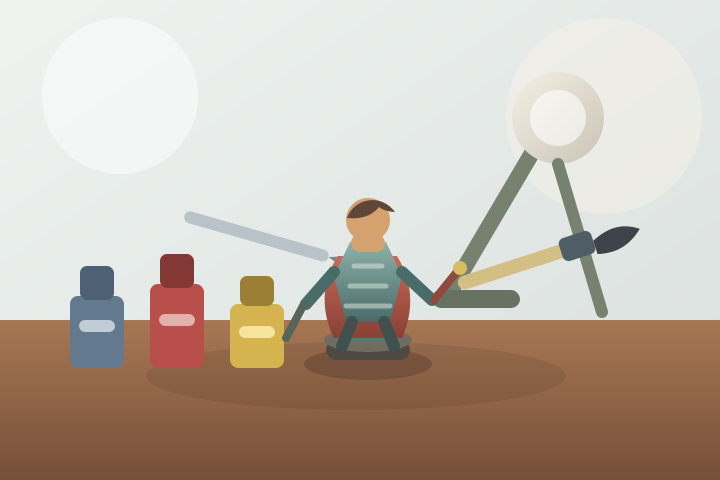
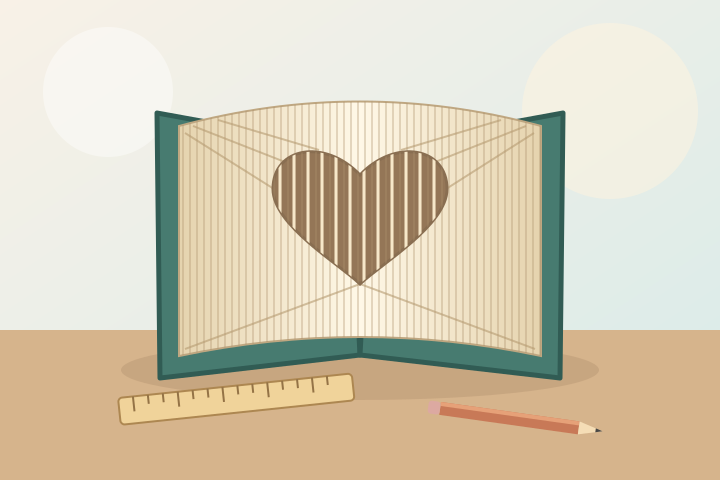
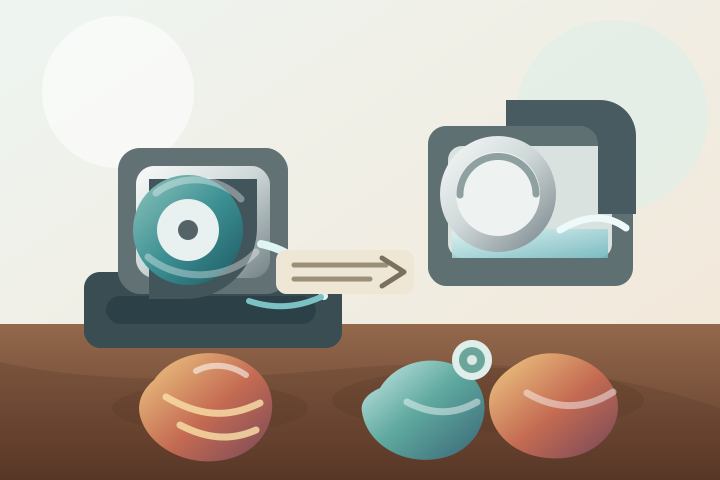
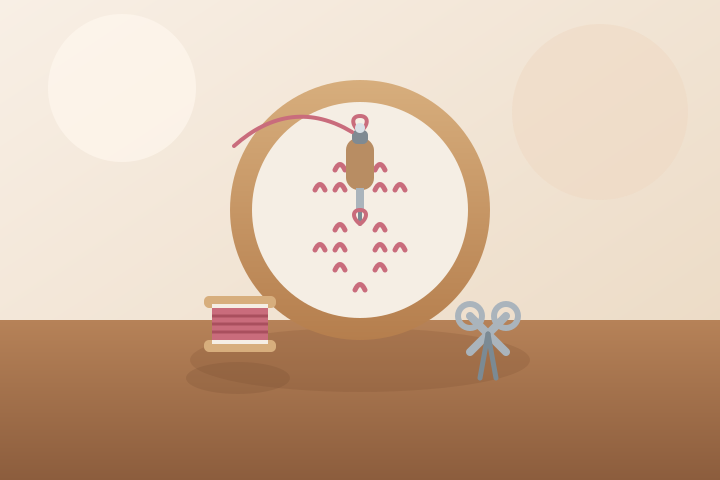
Creative hobbies are easier to choose when you focus on the material you want to spend time with. Paper feels different from yarn, clay, wood, sound, pixels, fabric, words, and paint. The best beginner choice is often the material you are willing to handle badly for a while.
Ignore polished finished examples at the start. Your first month is about learning the basic feel of the medium: pressure, timing, texture, rhythm, editing, measuring, or repetition.
Pick a first project with boundaries
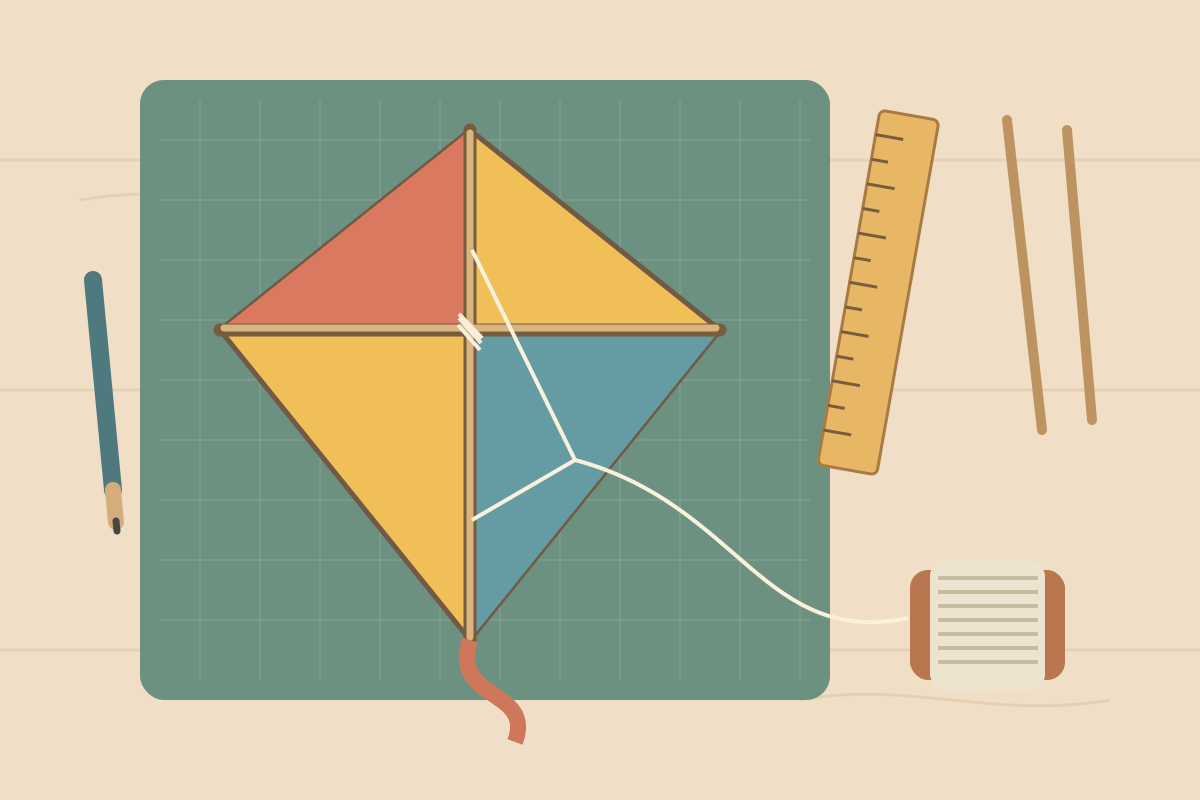
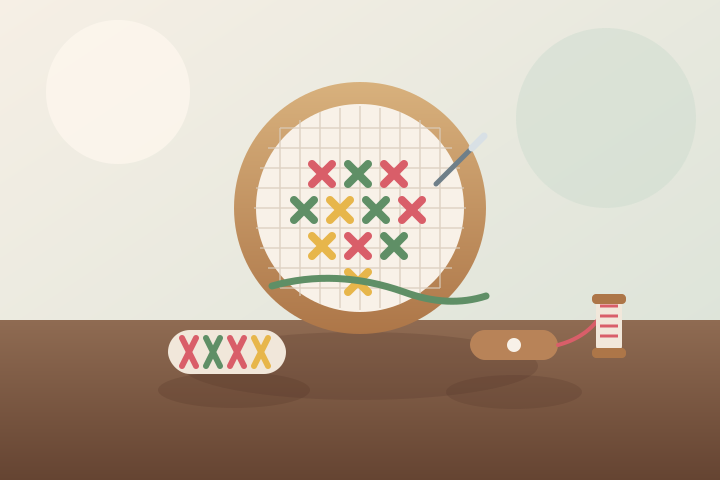
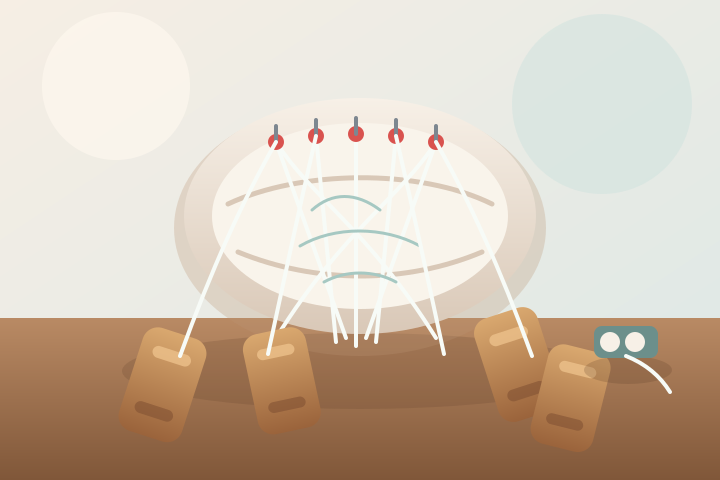
A strong first creative project is small, specific, and finishable. Make one card, one scarf sample, one eight-bar loop, one tiny room object, one sketchbook page, one simple edit, or one repaired item.
Clear boundaries help because creative hobbies can expand forever. A tiny finished thing teaches more than a large imagined project that never reaches the table.
Useful beginner questions
- Do you want the result to be useful, decorative, expressive, or shareable?
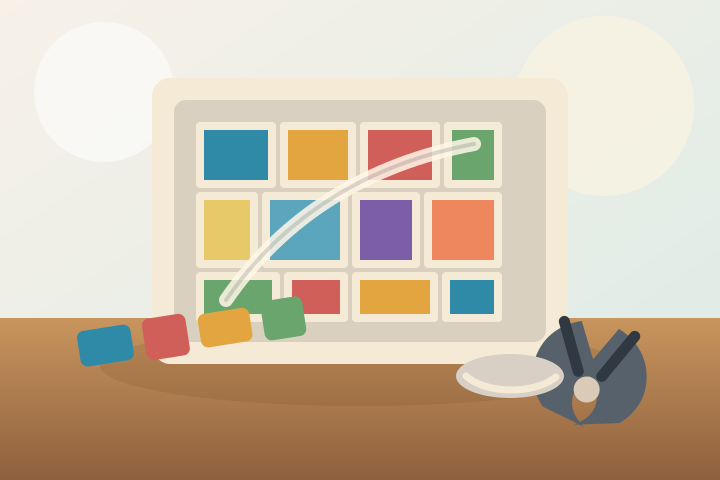
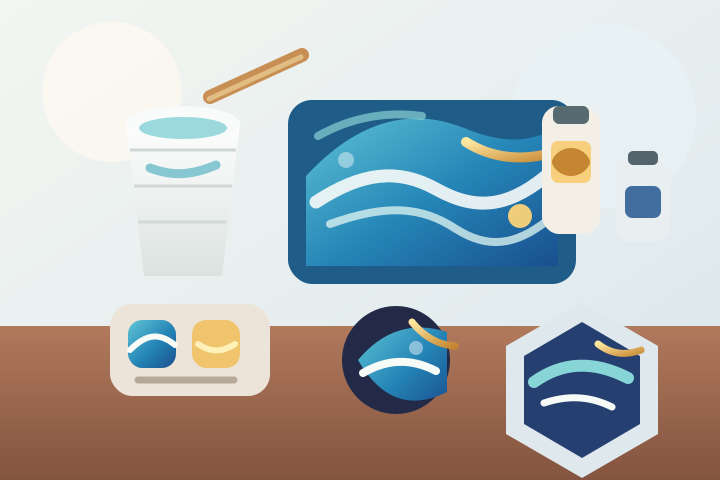
- Do you prefer clean digital work or messy physical materials?
- Do you want fast studies or slow projects?
- Do you need silence, music, a workbench, a kitchen table, or a screen?
- Would a class help, or would privacy make practice easier?



.jpg?width=900)
















.jpg?width=900)
.jpg?width=900)



.jpg?width=900)



.jpg?width=900)