Choose for the way you recharge
Introverts rarely fail at hobbies because they lack interest. They fail when the hobby quietly demands more social energy than they have: group classes, regular meetups, sharing results, or performing for others. The right hobby lets you be alone by design, not by accident.
Before choosing, separate quiet from isolated. Some introverts want zero contact, while others do their best work in a small, familiar group of two or three. Both are valid. Pick the level of contact that feels like rest, and treat anything beyond it as an option, not a requirement.
Good introvert hobby patterns
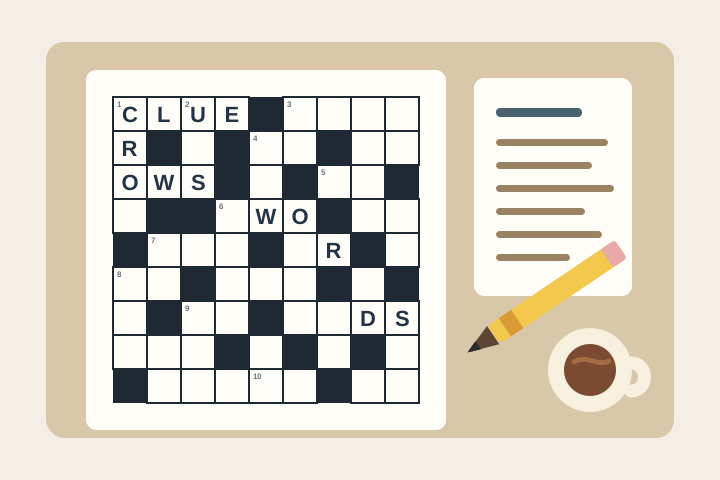
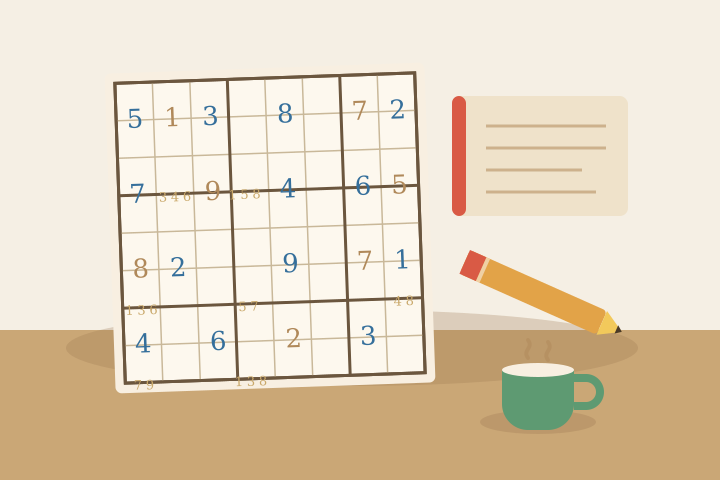
- Quiet resets: reading, journaling, crossword puzzles, jigsaw puzzles, meditation, and language learning.
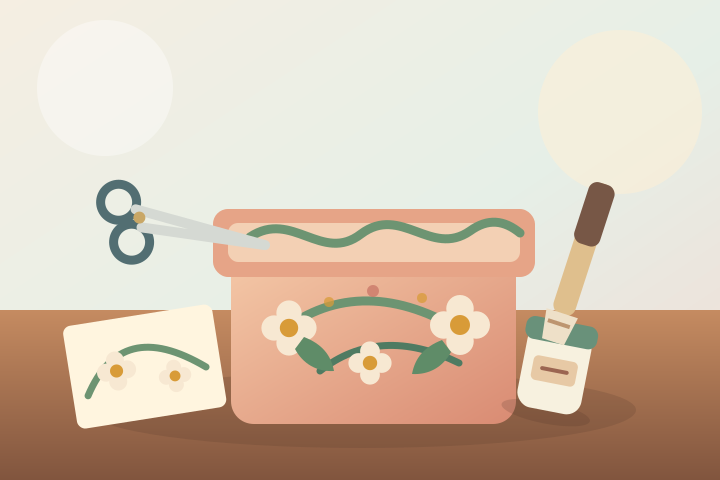
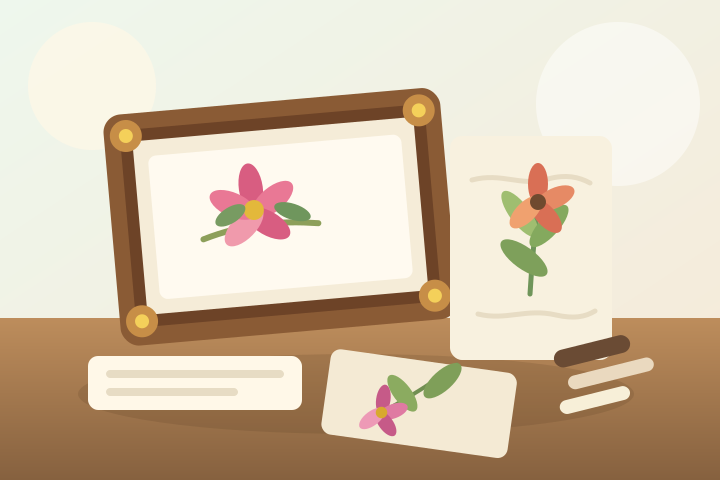
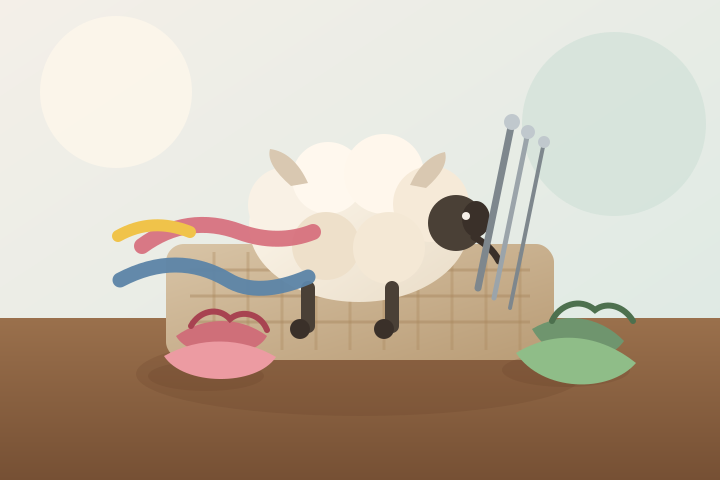
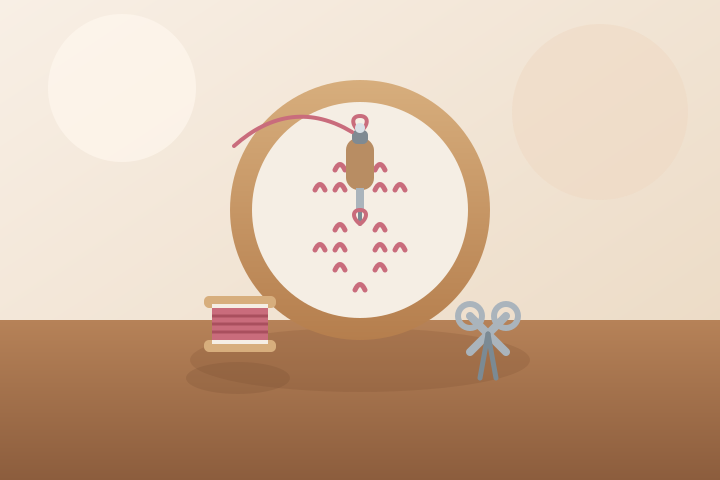
- Gentle making: knitting, crochet, embroidery, origami, paper quilling, card making, and macrame.
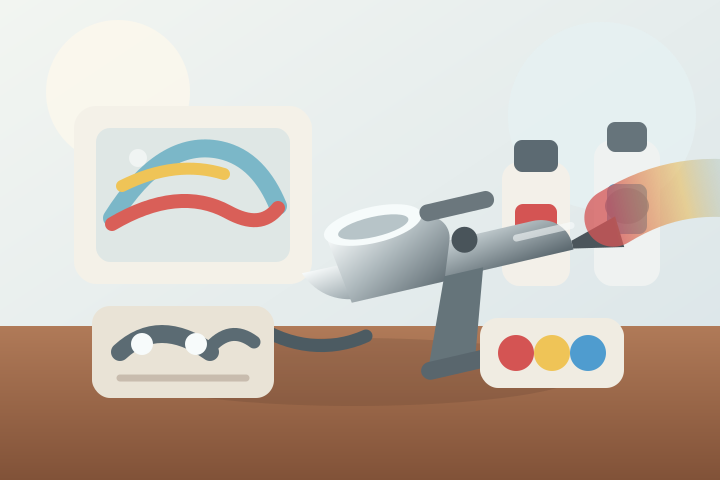
- Solo creative practice: drawing, watercolour, urban sketching, digital illustration, printmaking, and photography.
- Music for yourself: ukulele, harmonica, guitar, piano, and home recording.
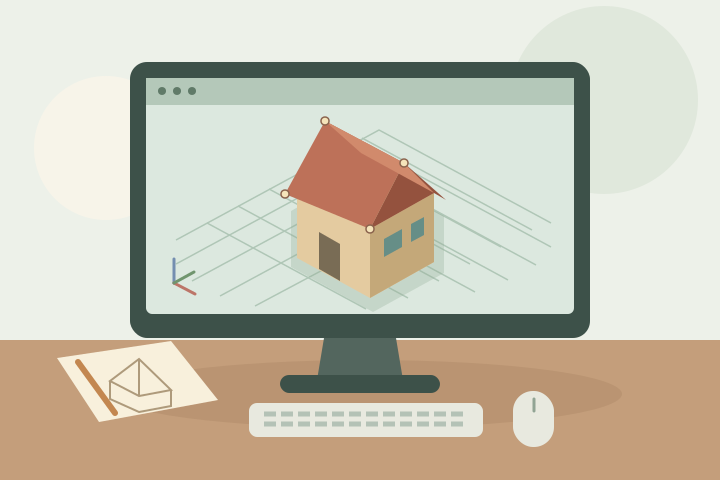
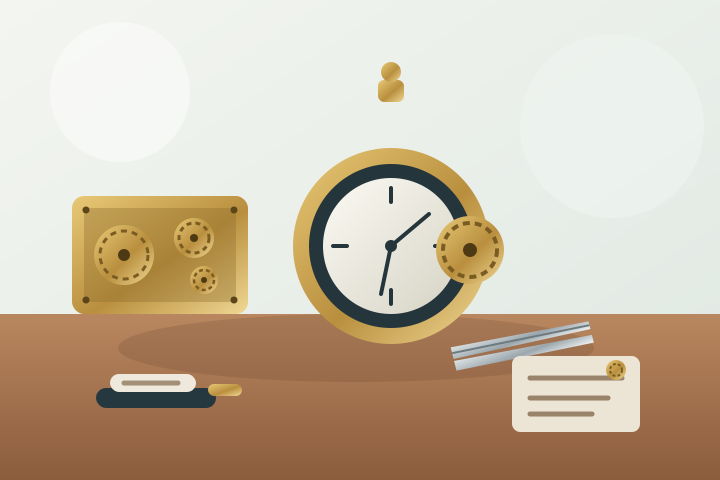
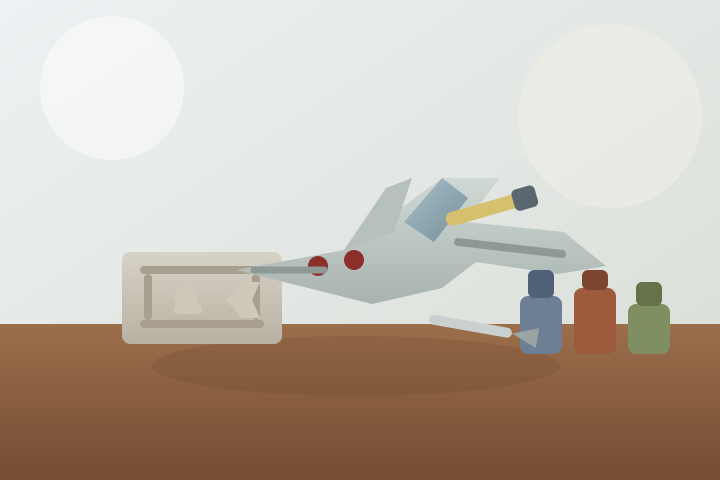
- Slow projects: woodworking, model making, pottery, sewing, leatherworking, and 3d printing.
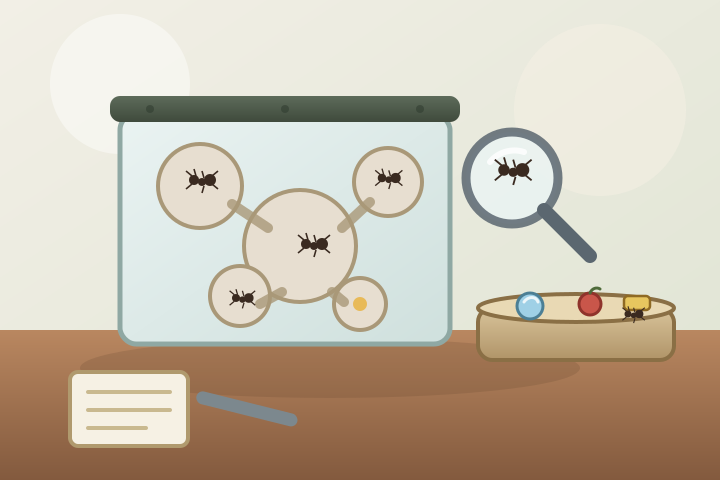
- Observation and nature: hiking, foraging, fossil collecting, seashell collecting, astronomy, gardening, aquarium keeping, and terrarium making.
Stay connected on your terms
A quiet hobby does not have to be a closed one. If you want feedback, choose the low-pressure kind: a forum thread, a book, a video series, one workshop a season, or sharing a finished piece with a single friend. You can keep the hobby yours while still letting it grow.
If motivation fades, add a tiny external rhythm instead of a bigger social commitment: one photo a week, one log entry, one finished project by a specific date. The hobby should meet your energy where it is, and the smallest version of it still counts.
.jpg?width=900)










.jpg?width=900)

.jpg?width=900)













.jpg?width=900)