Start with skill before selling
Hobbies make money when the skill solves a real problem, creates something people value, or saves someone time. That can mean selling finished items, taking commissions, teaching beginners, making content, offering a local service, or turning a repeatable process into a small product.
Avoid treating the first month like a business launch. Start by learning the craft, finishing small projects, and noticing what people respond to. A useful early goal is not “replace my income”; it is “make something good enough that one person would understand why it has value.”
Choose a money path that fits the hobby
Different hobbies earn in different ways. Matching the path to the activity keeps the hobby from turning into awkward work too quickly.
| Money path | Good fit |
|---|---|
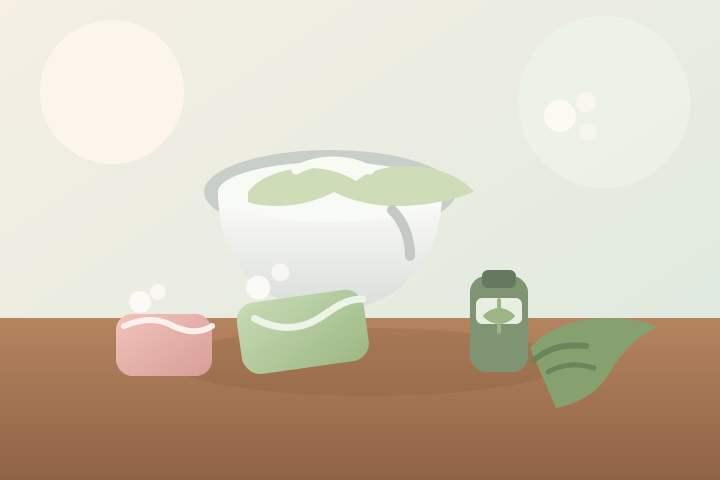
| Finished products | Candles, soap, jewellery, baked goods, prints, notebooks, textiles, and small handmade items. |
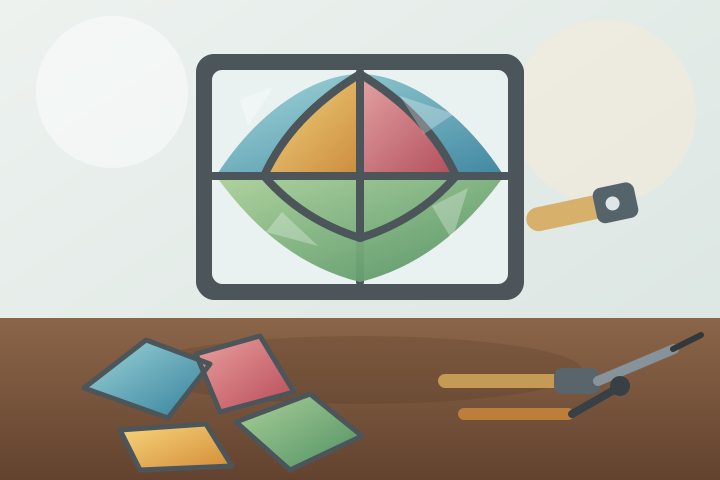
| Commissions | Photography, illustration, sewing alterations, writing, video editing, audio work, and custom gifts. |
| Teaching | Music, cooking, baking, crafts, drawing, writing, and beginner workshops once you have reliable basics. |
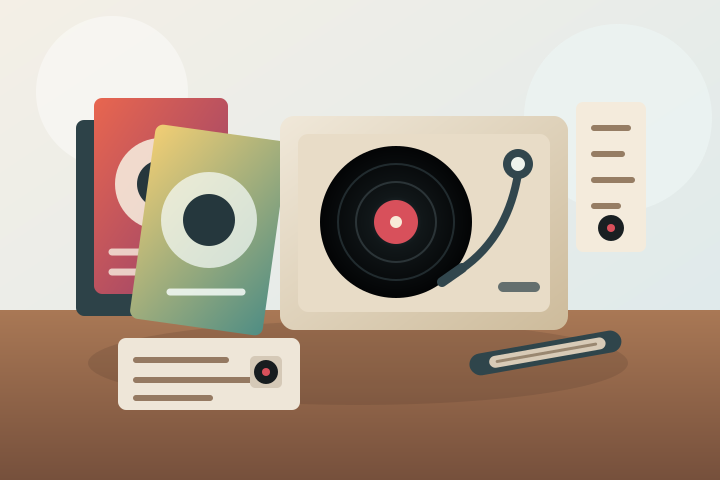
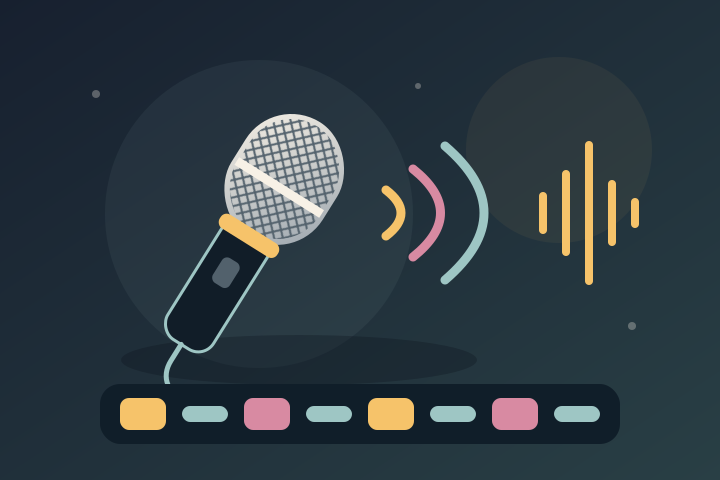
| Content | Podcasting, photography, video editing, home recording, cooking, reviews, tutorials, and niche guides. |
| Local services | Event photos, simple repairs, meal prep, small batch baking, mending, design help, and setup support. |
Keep the first offer small
A small first offer is easier to price, deliver, and improve. Sell one batch, one edited video, one portrait session, one repaired item, one beginner lesson, or one made-to-order piece. Clear boundaries protect both the buyer and the hobby.
Write down what is included before you say yes: size, quantity, deadline, revisions, materials, delivery, and what happens if the project changes. This prevents a casual hobby job from becoming open-ended unpaid work.
Count costs honestly
Income only matters after materials, platform fees, packaging, travel, software, breakage, practice pieces, tax records, and your time. A hobby can feel profitable because money comes in, while still losing money once the full cost is counted.
Track a simple version from the beginning: what you spent, what you made, how long it took, what sold, and what people asked for again. That record helps you decide whether to raise prices, simplify the offer, choose a different product, or keep the hobby private.
Protect the part you enjoy
Turning a hobby into income can change the hobby. Deadlines, customers, repetition, and public feedback are real pressures, even when the money is welcome. Keep one version of the activity that still belongs to you.
If selling makes the hobby feel worse, narrow the offer instead of quitting immediately. Make fewer items, take fewer commissions, sell only seasonal batches, teach once a month, or keep paid work separate from personal projects.



.jpg?width=900)

















.jpg?width=900)

























.jpg?width=900)