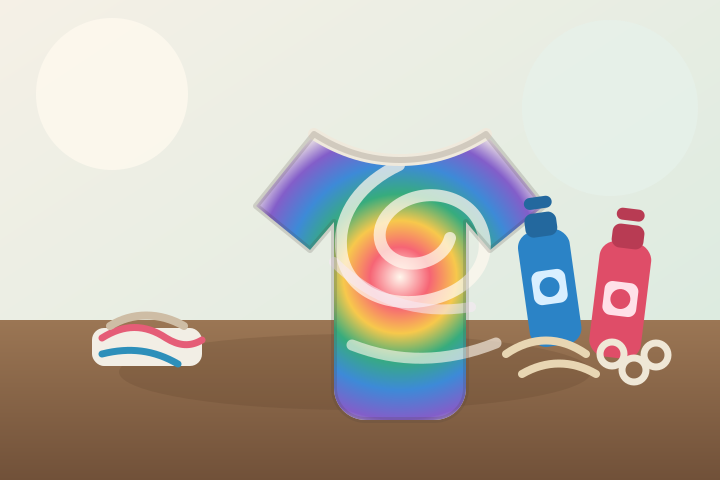
Choose for the body you have today
A good accessible hobby should meet you where you are, not ask you to stand, walk, lift, or keep up a pace that is tiring. The right choice may be seated, slow, one-handed, voice-guided, or something you can do in short bursts from a chair, a bed, or a small table.
Start by asking what a comfortable hour looks like right now. If it is a chair by a window, a low table with good light, or a quiet afternoon with a cup of tea, choose a hobby that fits that shape. A hobby that matches your daily comfort is easier to keep than one that asks you to become a different kind of person.
Good hobby patterns for limited mobility
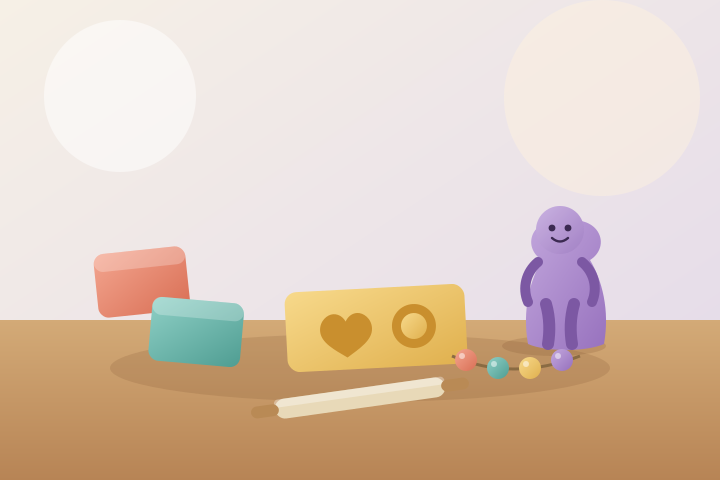
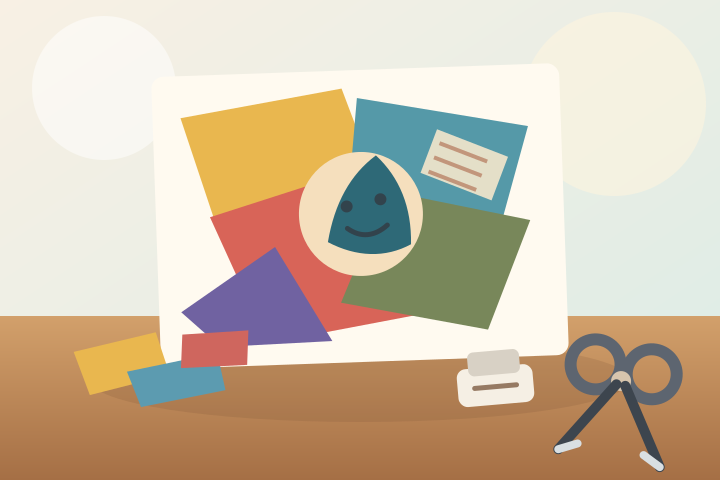
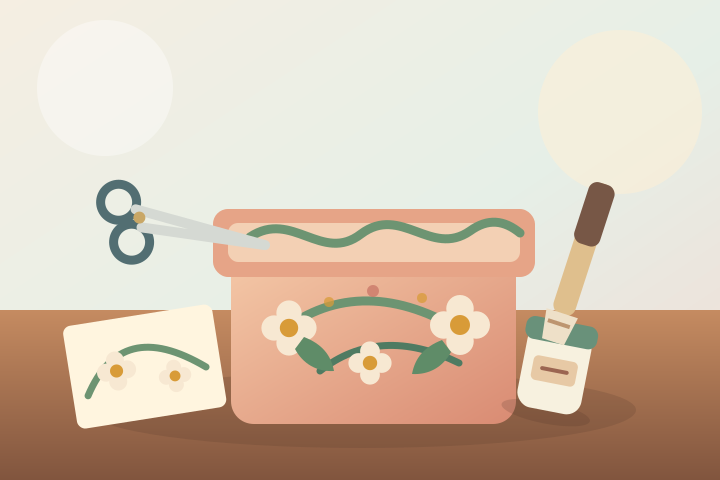
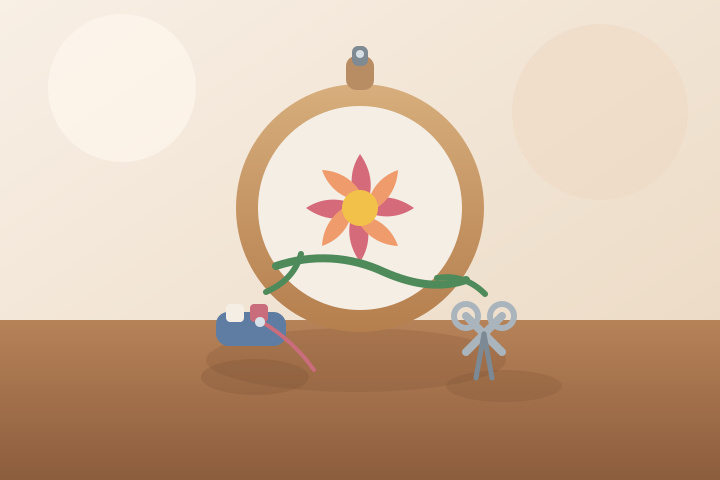
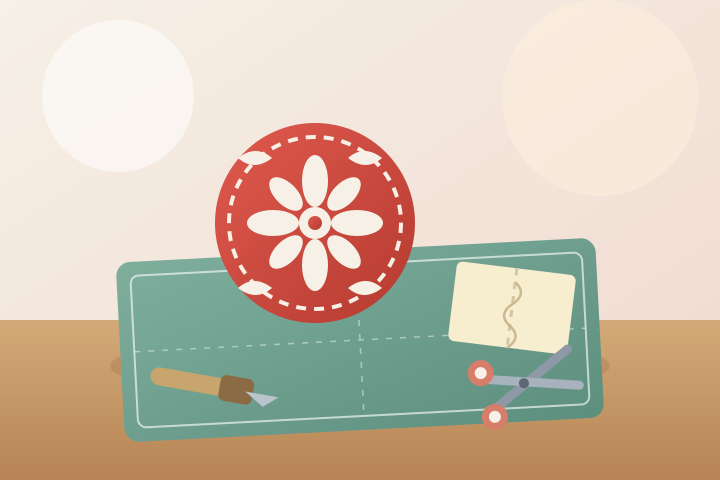
- Seated making: knitting, crochet, embroidery, cross-stitch, origami, paper quilling, card making, and macramé.
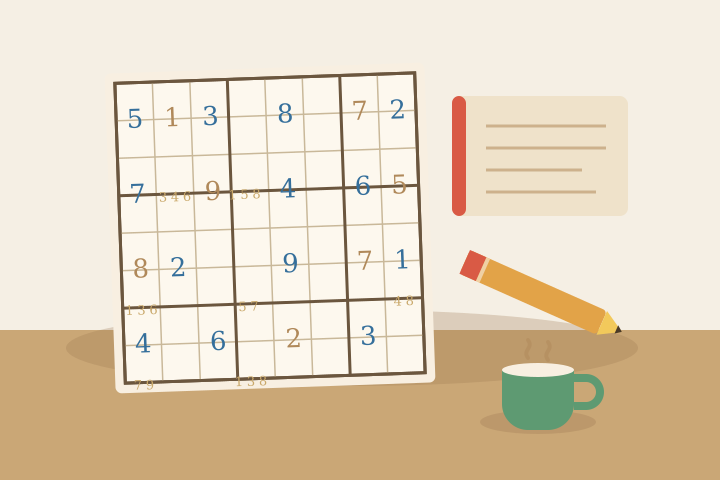
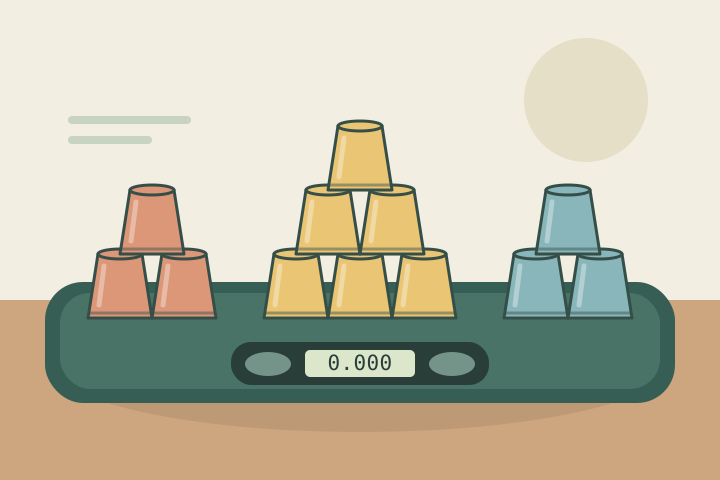
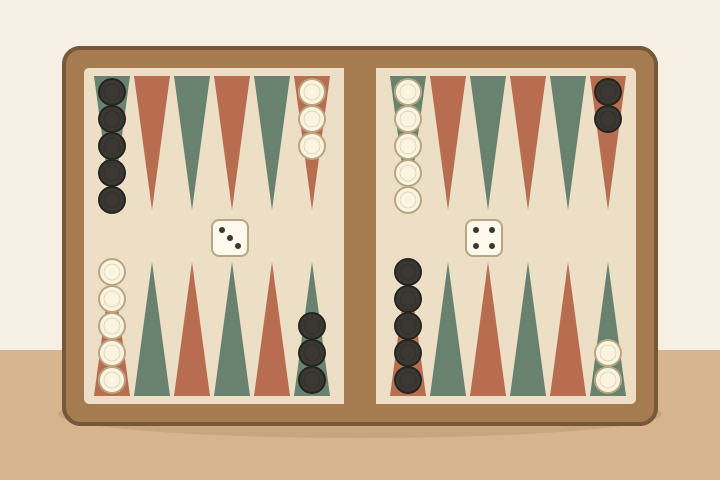
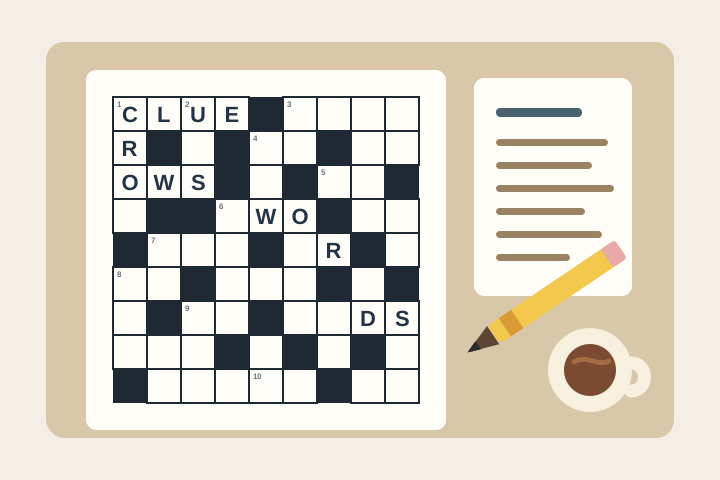
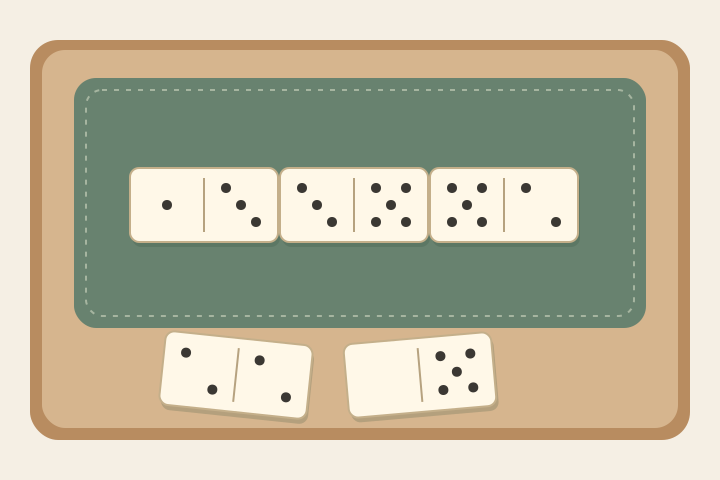
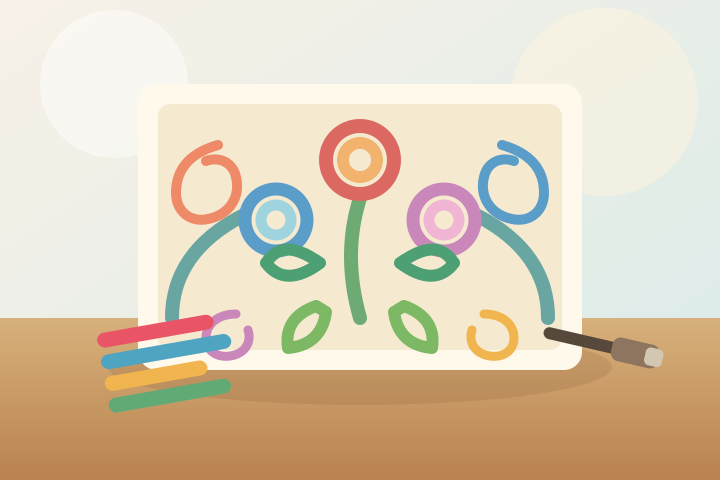
- Table and screen games: crossword puzzles, jigsaw puzzles, chess, board games, speedcubing, and digital illustration.
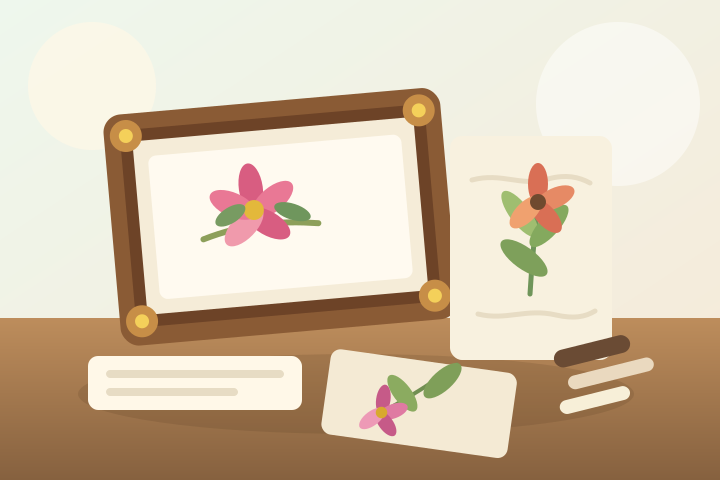
- Quiet and mindful: reading, journaling, meditation, tea brewing, flower pressing, and slow photography from a window.
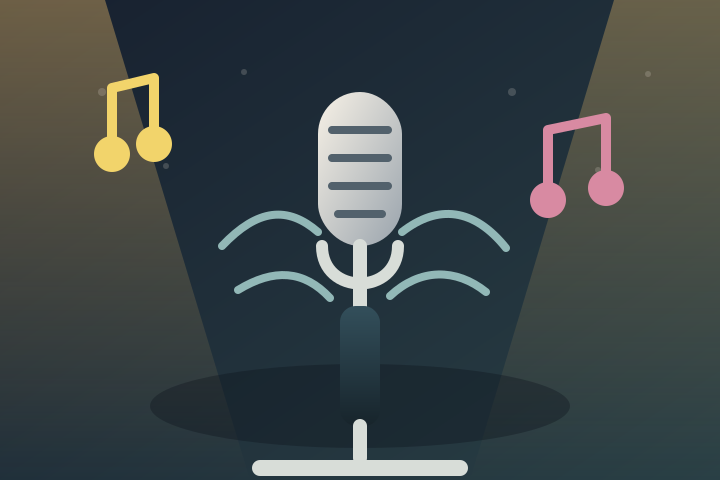
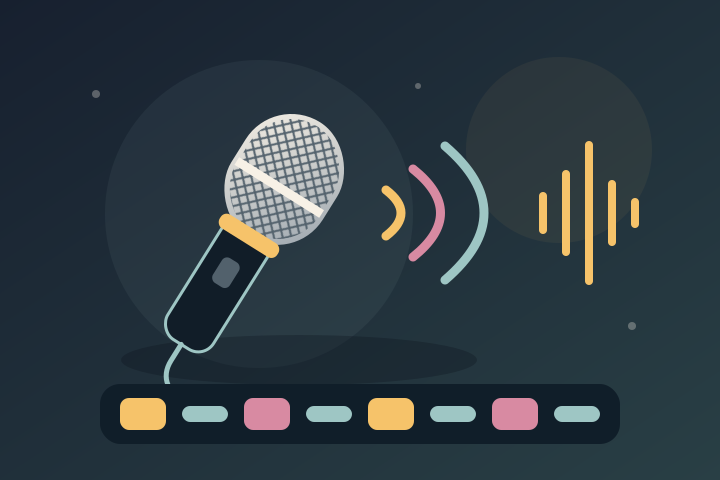
- Music and voice: singing, ukulele, harmonica, piano, home recording, and listening with vinyl records.
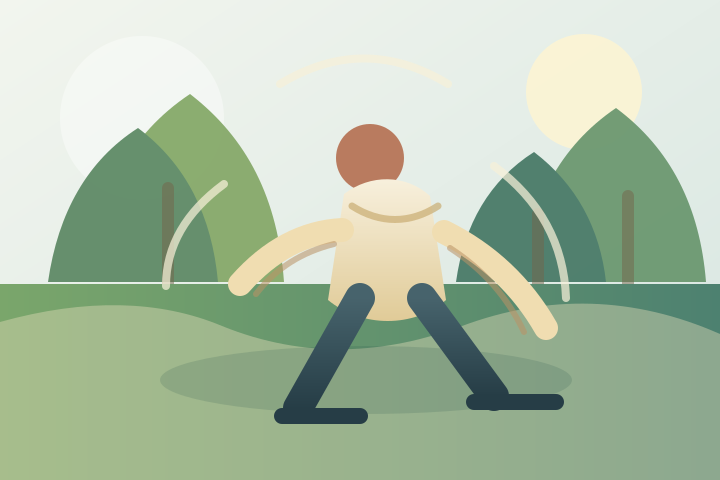
- Gentle movement: tai chi, yoga, seated stretching, and guided breathing, all of which can be adapted to a chair.
- Shared and social: board game clubs, book clubs, podcasting, language learning, and tabletop role-playing games, where the fun comes from conversation as much as movement.
Adapt the setup, not the hobby
Most hobbies can be reshaped around your body. Use adaptive tools such as larger-handled scissors, weighted mats, or a lap desk. Sit at a comfortable height, keep supplies within arm’s reach, and split a project into small pieces you can finish in one sitting. If a step is hard, swap it for a listening, watching, or planning version for a while. The goal is a rhythm you can keep, not a project that wins a prize.
Keep sessions small and stopping points clear
The most sustainable sessions are the ones that end while they are still pleasant. One page of a crossword, a small embroidery square, one folded model, or a single cup of tea are all complete sessions. Clear stopping points make it easy to pause for rest, appointments, or a tired afternoon and return the next day without starting over.
If even a simple hobby feels like too much, shrink the session instead of abandoning it. Read one page, fold one model, brew one cup, write three lines, or take one photo. A hobby can count even when it is small.


.jpg?width=900)


.jpg?width=900)

.jpg?width=900)











.jpg?width=900)



.jpg?width=900)