Choose for the energy you actually have
A low-energy hobby should meet you where you are, not ask you to push through the part of the day when you are already depleted. The right choice may be quiet, seated, slow, familiar, sensory, or gently repetitive.
Before choosing, separate physical effort from decision effort. Some hobbies are easy on the body but demanding to plan, while others need light movement but almost no mental setup. Pick the kind of easy that matters most today.
Good low-energy hobby patterns
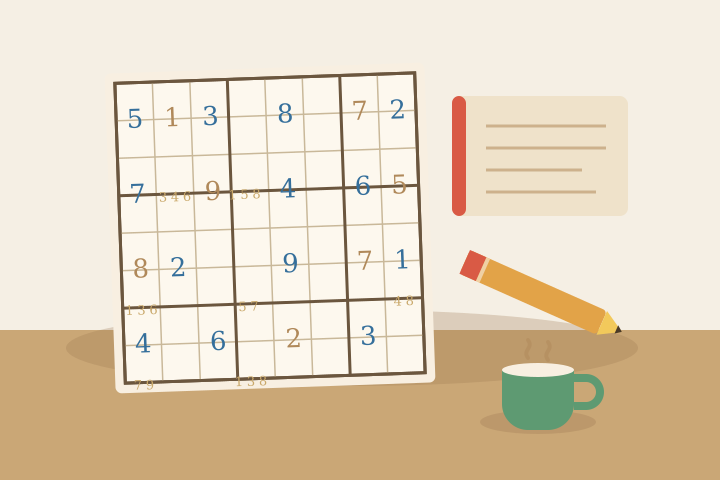
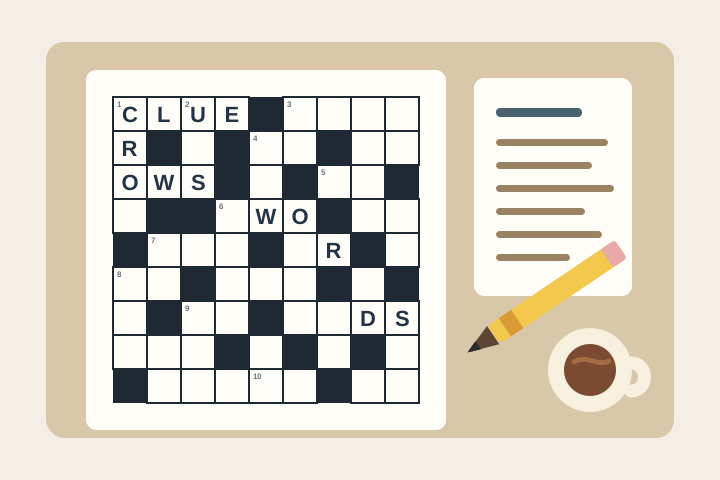
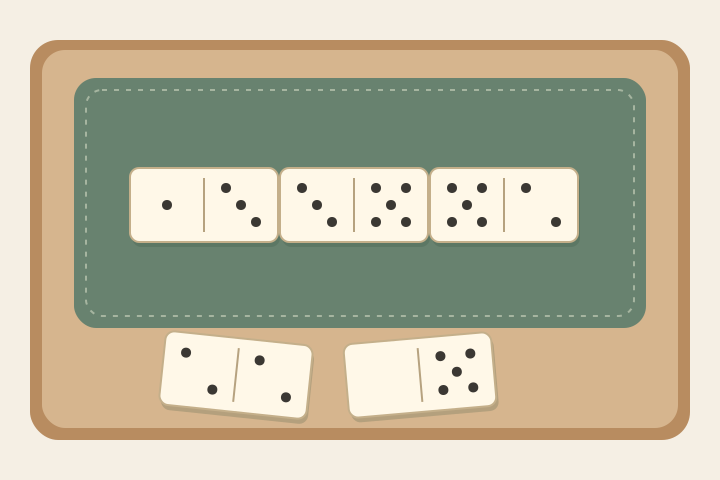
- Seated resets: reading, journaling, meditation, crossword puzzles, language learning, and jigsaw puzzles.
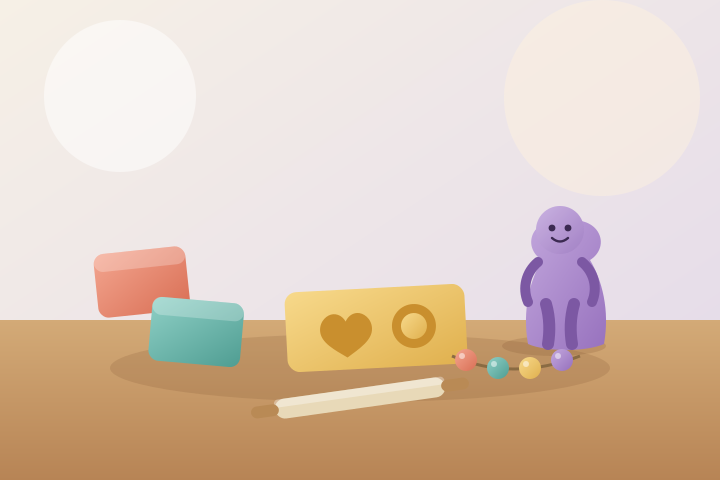
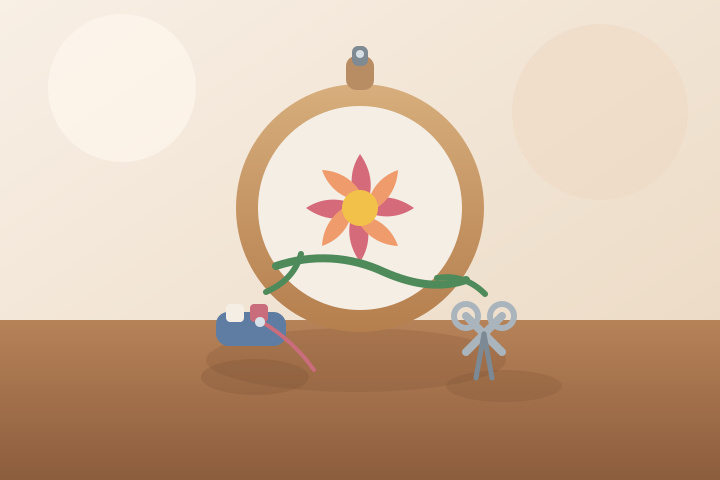
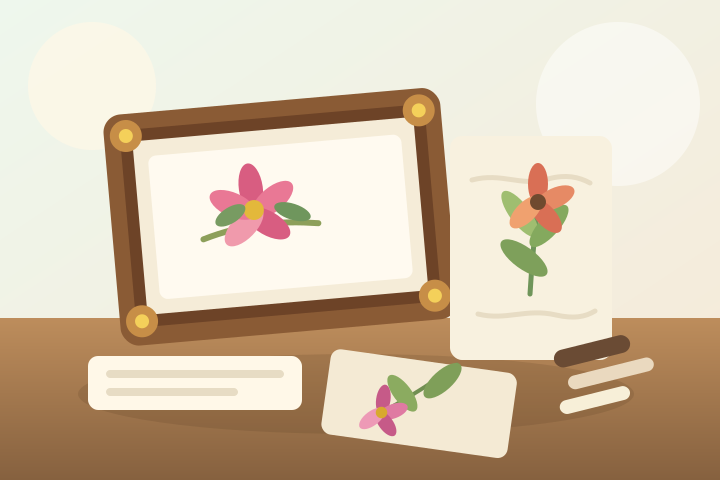
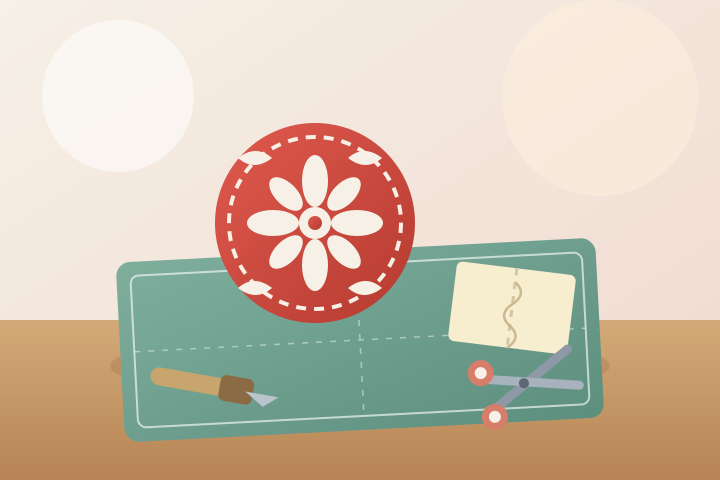
- Gentle making: knitting, crochet, embroidery, origami, card making, paper quilling, and flower pressing.
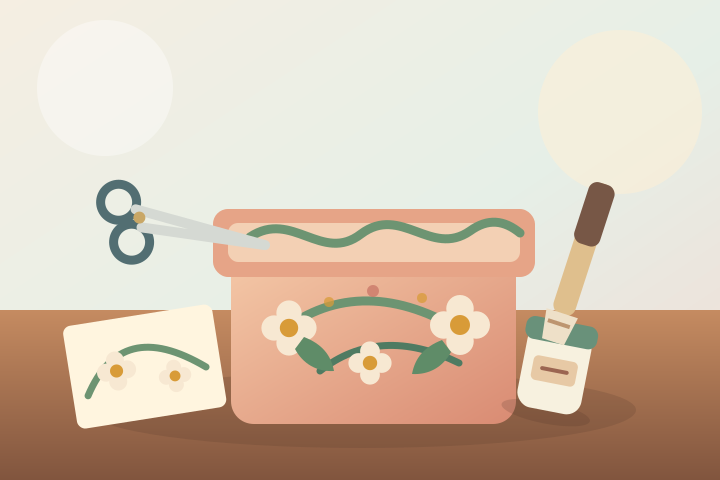
- Sensory routines: tea brewing, coffee brewing, simple cooking, candle painting, flower arranging, and mixology.
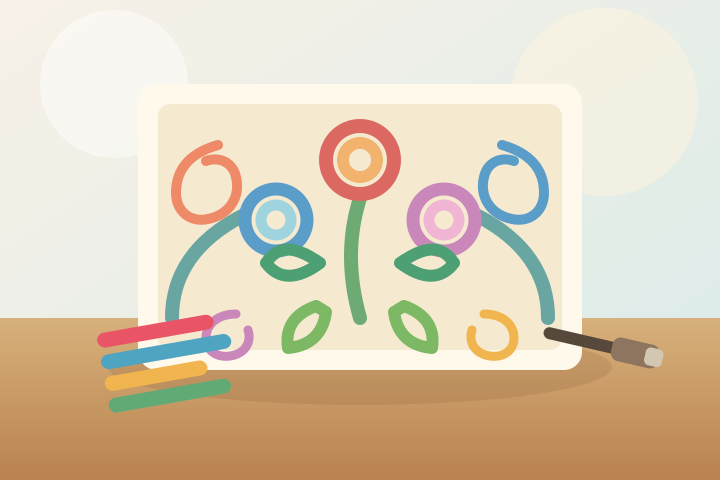
- Soft creative practice: drawing, creative writing, singing, ukulele, harmonica, card making, and scrapbooking.
- Light movement and observation: yoga, pilates, tai chi, birdwatching, photography walks, and easy nature noticing.
Lower the barrier on purpose
Low-energy hobbies work best when the first step is already prepared. Keep supplies in one place, choose short prompts, use repeatable projects, and stop before the hobby turns into cleanup, shopping, or performance.
If even a simple hobby feels too much, shrink the session instead of abandoning it. Read one page, fold one model, brew one cup, write three lines, stretch for five minutes, or take one photo. A hobby can count even when it is small.


.jpg?width=900)


.jpg?width=900)

.jpg?width=900)













.jpg?width=900)



.jpg?width=900)